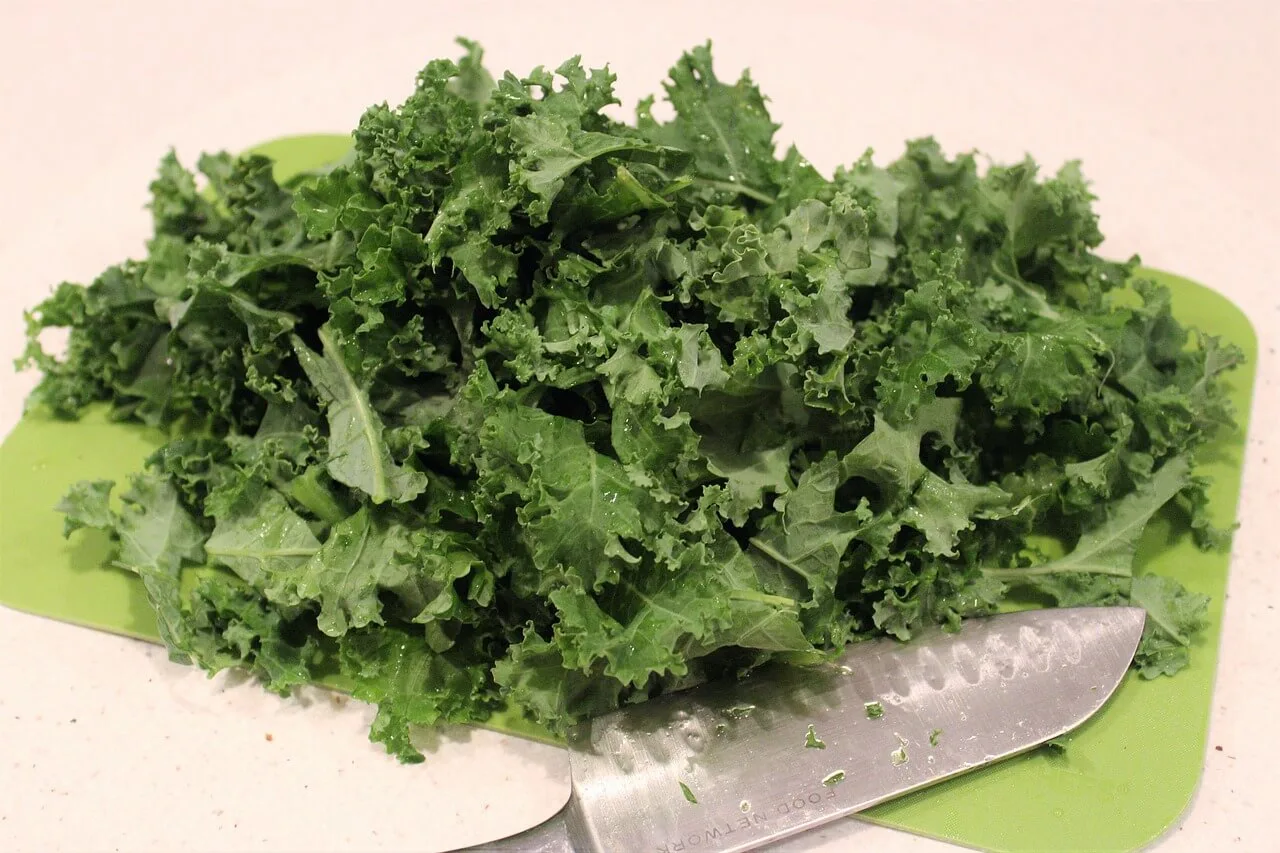
Barely Braised Greens

This recipe is a great way to add some power-packed greens to a meal. These barely braised greens are simple to make and will not disappoint.

Differences in Greens

How do different greens stack up against one another? Take a look at my rankings of how they compare and contrast in flavor (sweet to bitter), texture (fibrous to tender), key vitamins, and amount of fiber per 100 g serving.

If you are cooking with sweet greens, use milder flavors and sweet fats like coconut milk, whereas bitter greens hold up well to all kinds of vinegars. Never underestimate the power of vinegar to finish cooking greens! The acid is exactly what the greens need for that final tenderization.

Tender greens take less cooking time than fibrous greens, and they are more delicious raw in salad. Who even has time to massage kale to salad deliciousness? On the other hand in a in lovely stew, a fibrous green has the staying power to handle the heat.

Which Braised Greens to Choose?

Curly Kale

Flavor: Slightly bitter and peppery

Texture: Chewy, tough and fibrous. Basically the most delicious cardboard shards you’ve ever eaten.

Vitamin Content: Medium levels of calcium, potassium, vitamin K, and magnesium.

Fiber Content: 2 g

Lacinato Kale

Flavor: Milder in flavor than curly kale

Texture: Waxy and crispier than curly kale,

Vitamin Content: Medium levels of calcium, potassium, vitamin K, and magnesium.

Fiber Content: 2 g

Collards

Flavor: Can be mild to pungent, slightly smoky

Texture: Stiff leaves soften more slowly than other greens when cooked.

Vitamin Content: High levels of Vitamins C and E and folate. Also has high levels of calcium.

Fiber Content: 4 g

Chard

Flavor: Varies depending on whether you have yellow, red, or white. Slightly bitter with a flavor crossed between beet greens and spinach.

Texture: Waxy, tender, cooks in seconds.

Vitamin Content: High levels of magnesium, potassium and Vitamin K.

Fiber Content: 3 g

Turnip Greens

Flavor: The smaller the leaves, the more mild the flavor. Larger leaves have the distinct flavor and aroma of turnips.

Texture: Generally tender, but can stew for hours and hours without breaking down completely.

Vitamin Content: High in vitamins K, A, C and folate, and also contains diverse minerals like calcium, iron, magnesium, phosphorus, and potassium.

Fiber Content: 3.2 g

Mustard Greens

Flavor: Distinctly peppery

Texture: Tender leaves that may have lacy, fragile edges.

Vitamin Content: High in Vitamins K, A, and C. Contains folate and manganese.

Fiber Content: 3.2 g

Dandelion Greens

Flavor: Earthy, nutty, and bitter.

Texture: Tender, spiky leaves.

Vitamin Content: Excellent source of Vitamins A, C and K. Also contains Vitamin E, folate, and small amounts of B vitamins.

Fiber Content: 4 g

Make it a Meal

While it may sound crazy. Braised Greens make a great topper for Butternut Squash Soup. Add a few pumpkin seeds or apples to make it a fall treat.
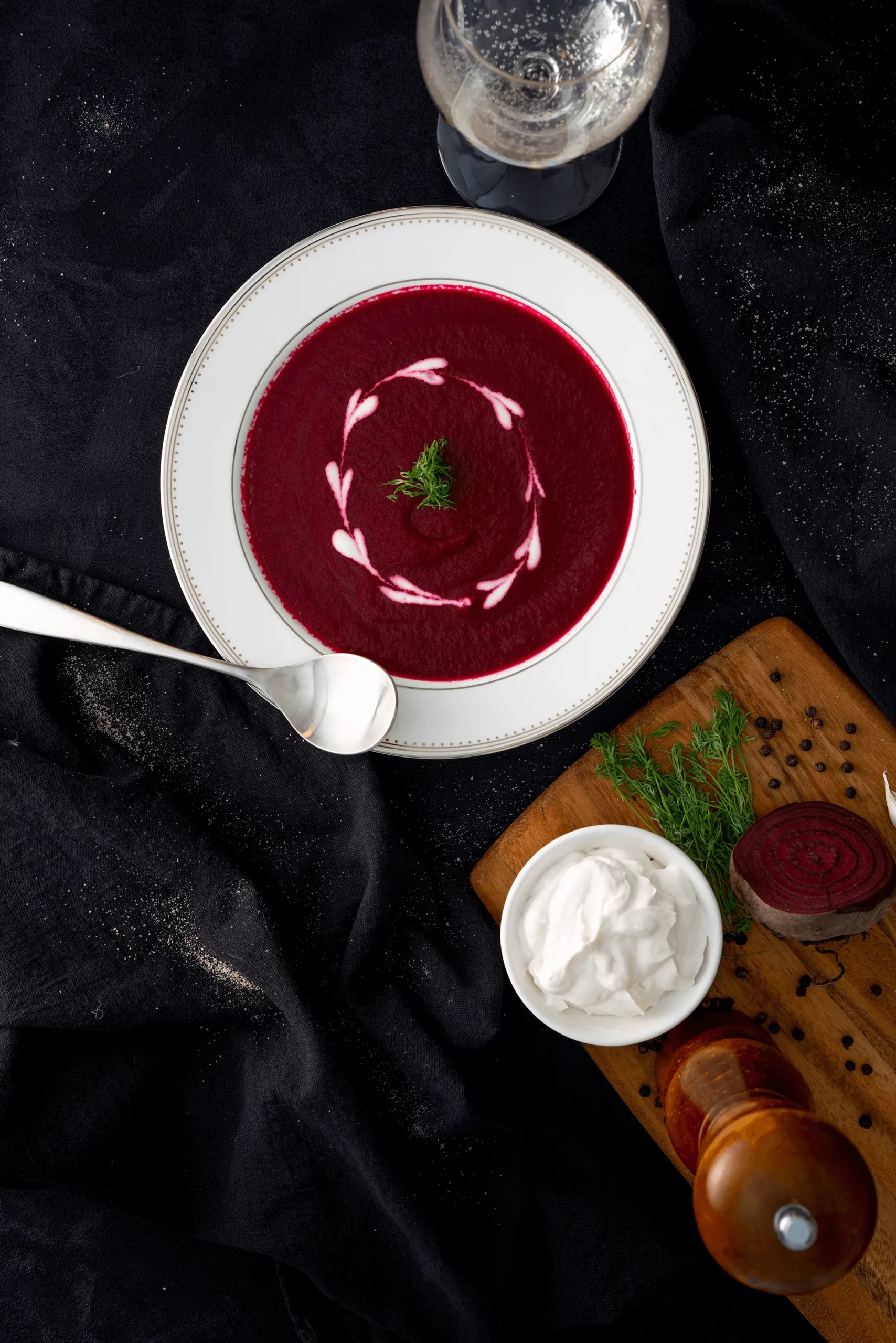
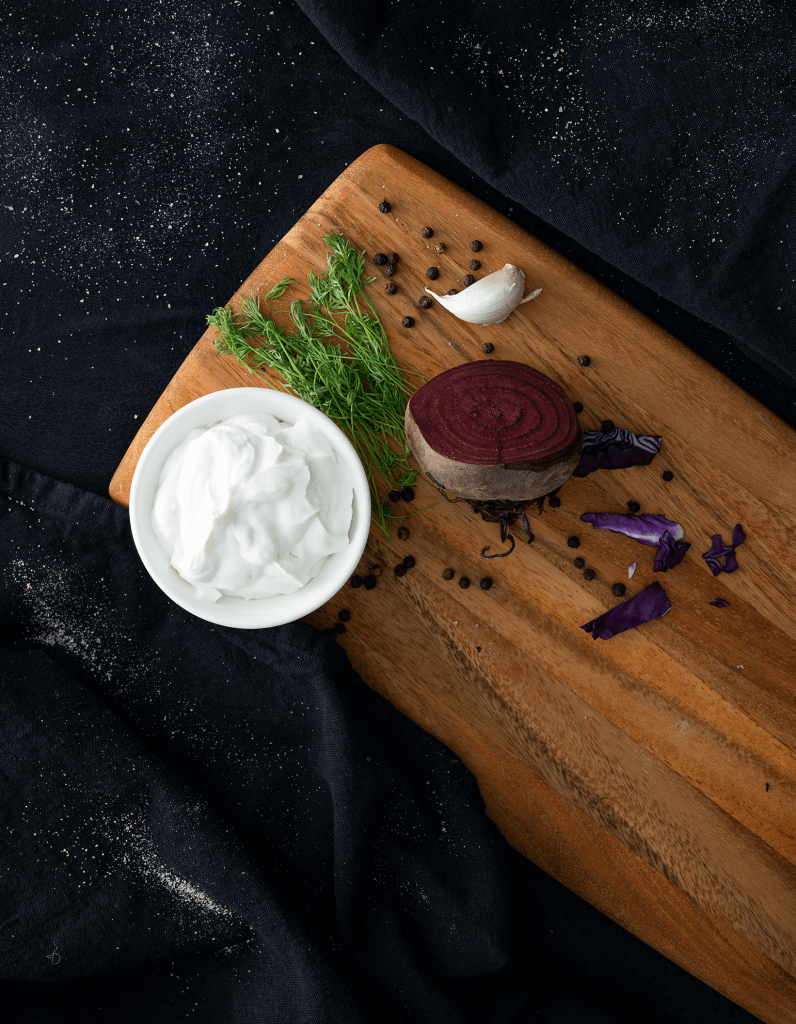
Borscht

Who invented borscht?

Russia, Poland, and other eastern European nations have strong opinions. I choose to puree this soup into a creamy, smooth soup, but others choose to leave it as a chunky stew. You can also eliminate the beets and add additional potato to make a white version to this soup. Borscht is also delicious served chilled the next day.

Health Benefits of Beets

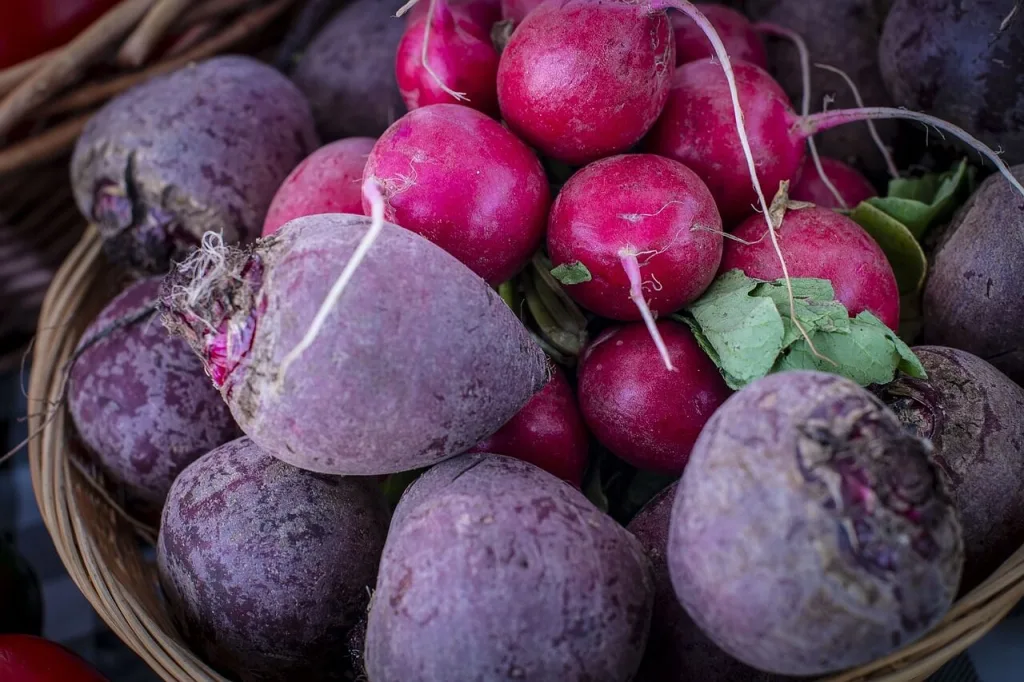
Beets are a root vegetable packed full of nutrients with very few calories. They are high in vitamins and minerals such as manganese, potassium, and folate.

But they have something in them that is even more impressive. Beets are jam packed with naturally occurring nitrates that the body converts into nitric oxide. Nitric oxide is a chemical that causes vasodilation and relaxation. After just eating one meal with beets, some studies have shown a short term reduction in blood pressures of 4-10 mmHg.

Nitrates also help to boost athletic performance. When people eat beets, there appears to be a jump in the performance of our mitochondria, the energy producers in our cells. Consumption of beets has been shown to improve tissue oxygenation and athletic ability like cycling.

The color of beets also brings in a dose of pigmented compounds known as betalains which are anti-inflammatory. Betalains protect the kidneys, and may be broad antioxidants in the entire body.

Beets are also very high in fiber, and this can help to optimize digestive health. Beets helps to get the digestive system moving, and can stain the stools red. Don’t worry, you aren’t bleeding it is just the pigments coming out of our body.

Make it a Meal

Create a quick dinner with borscht alongside a fall favorite Roasted Brussels Sprouts with Grapes

Butternut Squash Salad

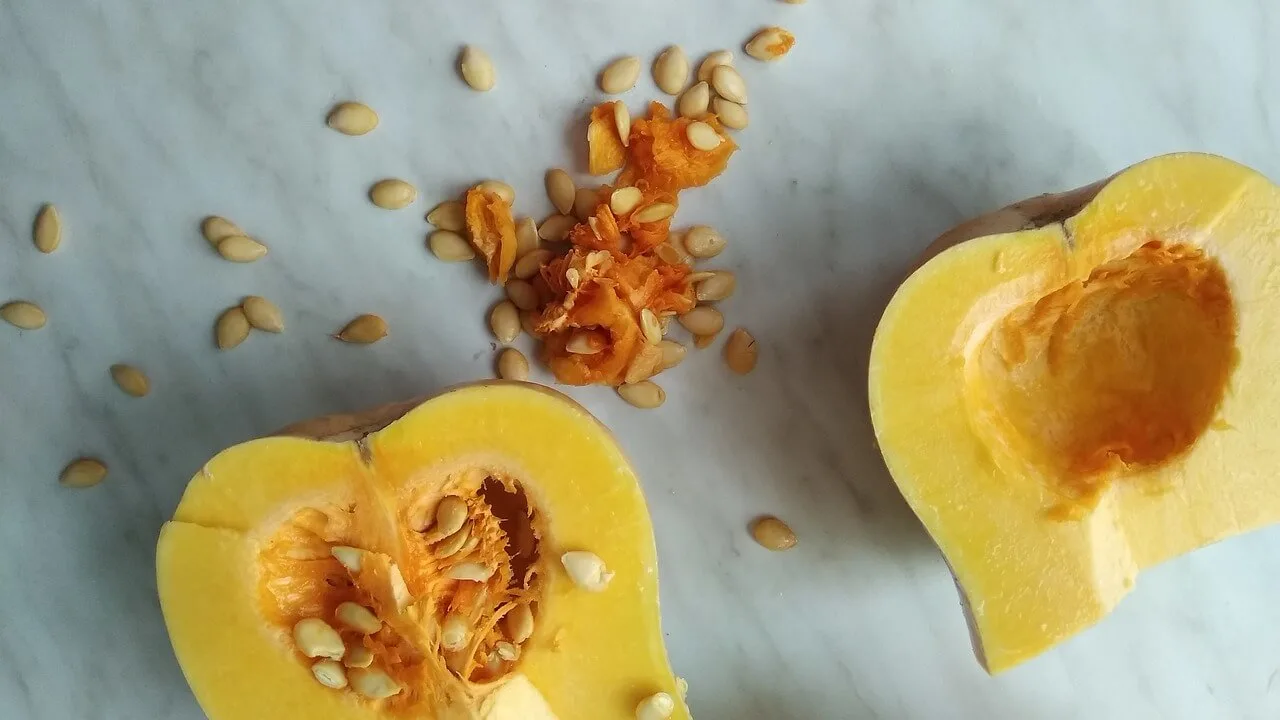
Butternut squash is a vibrant squash that is rich in fiber, vitamin A, and potassium. It is mildly sweet and lends itself well to a variety of sweet and savory recipes. Try this delicious butternut squash salad to compliment any meal or as a meal in itself.

Bored with Your Typical Salad?

When most people think of salad, they picture a pile of some sort of lettuce with some other vegetables. Don’t get me wrong, I enjoy a tossed green salad every now and then. But I also love creating interesting flavors in salads.

This recipe combines sweetness of butternut squash and cranberries with crunchy pecans and tart pomegranate seeds for a delicious texture and flavor combination. The spinach adds more substance to this salad, along with a boost of vitamin C and other nutrients. The dijon and poppy seed dressing adds just the right amount of sweetness to finish the dish nicely.

Make it a Meal

This sweet and savory salad makes a great lunch by itself, or it pairs nicely with a hearty dinner, like this Shepherd’s Pie and Gravy.

Shepherd’s Pie and Gravy

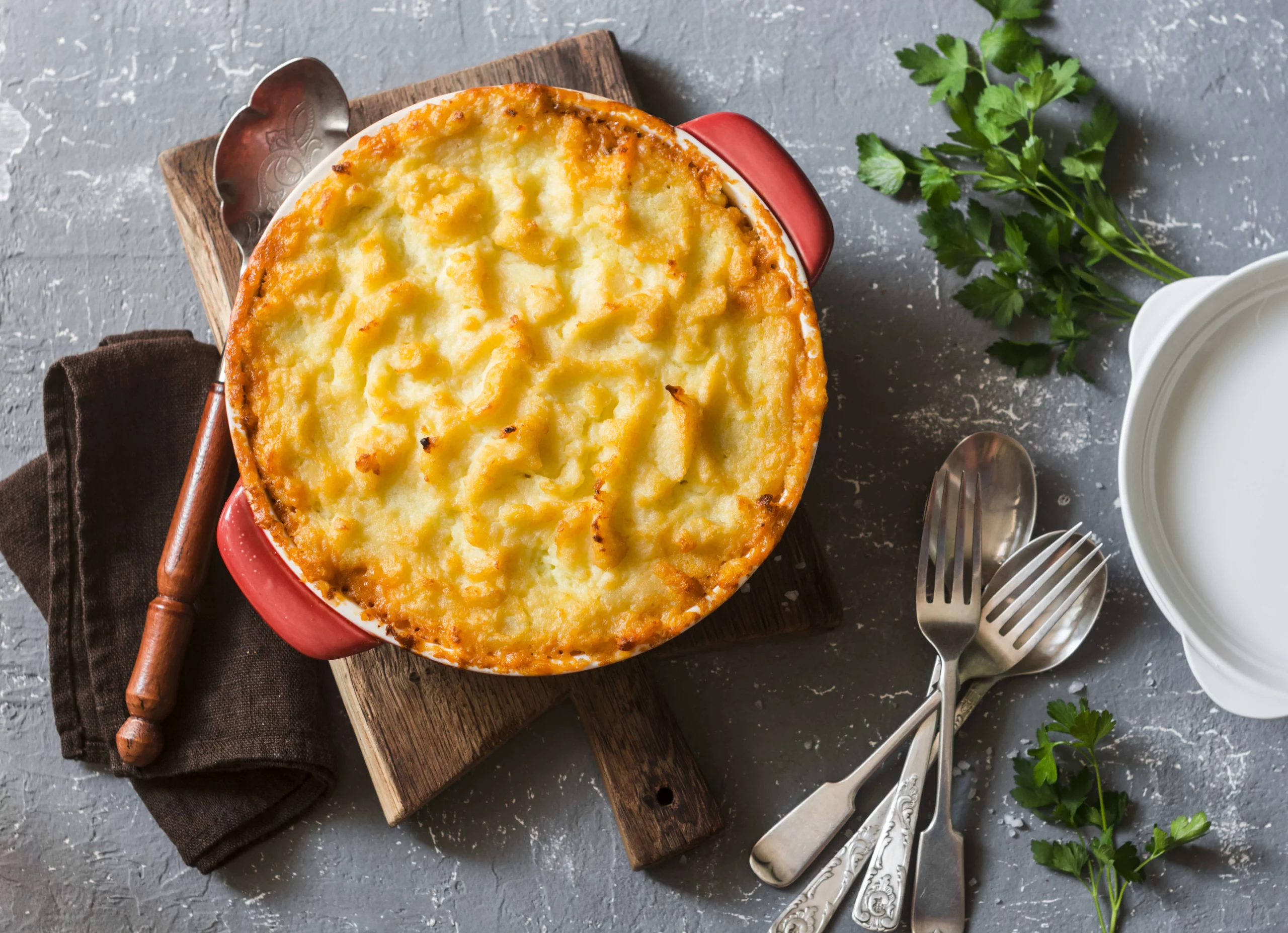
Shepherd’s Pie was originally created sometime back in the late 1700’s as a way for frugal housewives to make use of leftovers. Traditionally, the pie is a mix of ground beef, tomato paste, and red wine, topped with creamy mashed potatoes. Some versions contain peas and carrots as well.

Feel free to mix things up and add vegetables or other ingredients to your recipe. The result is a hearty, warming dish. Here is a vegan version of this traditional favorite.

What’s in Vegan Shepherd’s Pie?

You can create vegan Shepherd’s Pie with many different bases. This one uses black lentils to mimic the color of the traditional ground beef. Other cooks utilize beans, mushrooms, sun chokes, or plant-based meat.

Why Lentils?

Of all the bases of Shepherd’s Pie, lentils are my favorite. They cook quickly and look like ground beef. In this recipe, we also utilize beefy, substantial cremini mushrooms. The two shades of black and contrasting textures of the mushrooms and lentils make for an excellent bite

Beans take too long to cook and aren’t ‘piece’ enough to mimic ground meat. Mushrooms vary so much from fungi to fungi and can end up water laden and mushy. Sun chokes are foreign to a lot of people and hard to source, hard to peel and take forever and a year to cook (and we love them anyway). Plant-based meat crumbles adds a whole bunch of fat to a dish where the meaty layer is the largest portion of the dish.

Your Shepherd’s Pie Has Two Layers

If you ever just want to make the top layer of Mashed Potatoes and Gravy, head here.

Top this dish with mushroom gravy for the final touch. We use wine in this recipe, so be sure you either cook all the alcohol off. Whether on or off the Clean Slate Cleanse, raw alcohol in a dish never makes for delicious food.

Make it a Meal

This dish is so filling that it is basically a meal in and of itself. Pair it with a simple Butternut Squash Salad for a decadent cold weather meal.