5 Jobs You Never Knew a Pharmacist Could Have

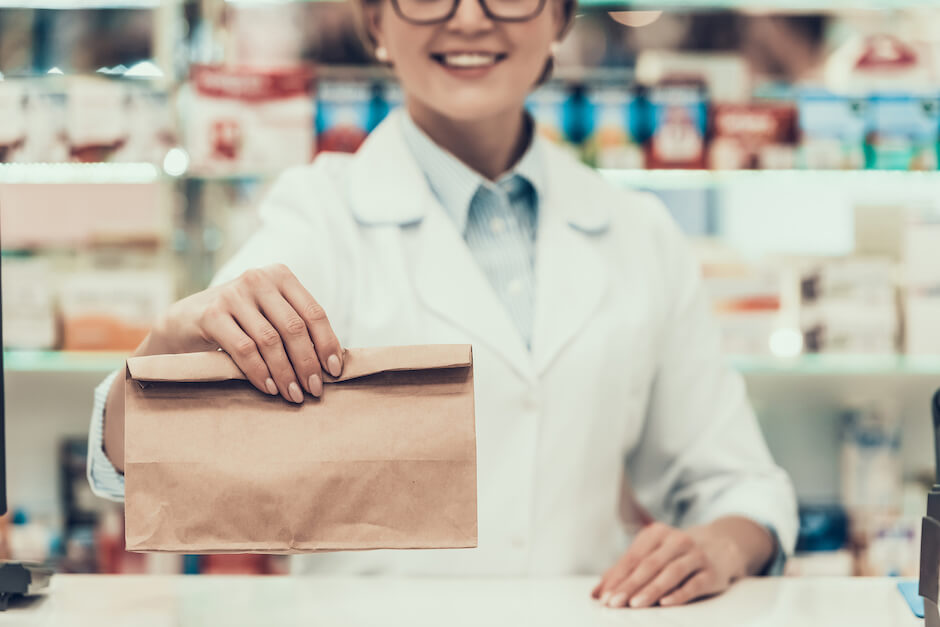
October is American Pharmacists Month. If you’ve followed for long, you’ve may have heard me say that I believe the pharmacist is the most underutilized healthcare professional. As the most accessible healthcare providers, pharmacists often offer numerous services in their practices that may surprise you. Just check out these 5 jobs you never knew a pharmacist could have.

What do Pharmacist’s Do?

A basic job description of a pharmacist may look something like this:

  • Prepares medications by reviewing and interpreting physician orders.
  • Dispenses medications by compounding, packaging, and labeling pharmaceuticals.
  • Advises patients on safety, drug interactions, and instructions for using prescribed medicines.

Sound about right? Pharmacists fill prescriptions. They talk to patients about how to take prescriptions and advise them about safety considerations. Simple. But that is far from all of the services I offered in my pharmacy practice. As a matter of fact, that doesn’t even scratch the surface.

5 Jobs You Never Knew a Pharmacist Could Have

Assist people to quit smoking

Because pharmacists habitually conduct counseling interventions, they are often at the front lines of discussing habits with patients. This provides the opportunity to discuss choices that increase risk or adverse reactions, such as smoking. A systematic review of tobacco interventions demonstrated that pharmacists’ smoking-cessation services are effective in helping patients successfully quit. In fact, community pharmacists who provide smoking-cessation services have cessation rates similar to those of other healthcare professionals.

Manage disease states

Let’s face it. Most doctors don’t have time for in-depth discussions with patients, nor do they typically see their patients as often as does the pharmacist. You may see your doc once or twice a year, but you’ll visit the pharmacy to pick up your meds on at least a monthly basis.

This puts the pharmacist in an ideal position for ongoing health checks and evaluations. In my practice, I regularly helped patients manage disease states such as high blood pressure, diabetes, asthma, COPD, and pain. I was blessed to practice in North Carolina where pharmacists can legally prescribe medicines. This allowed me to adjust patients’ medications as needed.

When pharmacists are central to the medication management process, studies have shown improvement in control of disease states, fewer medication errors, and better patient understanding of their medicines.

Interested in an appointment with me? Click here.

Counsel people about wellness

Just like smoking, patients reveal a lot of other lifestyle choices during the pharmacist consultation. As a natural educator, I enjoy guiding people to be proactive about their healthcare by making healthy lifestyle changes.

Most of the time, you already know the answers to health and wellness questions. When it gets down to it, we all know that we need to eat more vegetables, sleep more, exercise more, and stress less. It helps to have an ally and an accountability partner in the matter, and pharmacists do this very well.

Administer vaccines

Look, I get it, not everyone wants vaccines, but for those who do, it is my duty as a pharmacist to provide that care. Most vaccines are readily available at local pharmacies. Check your pharmacy for shots that may cost less than at a physicians office and without the necessity of an appointment or long wait times.

Be trusted during some of the most difficult times

For the last of the 5 jobs you never knew a pharmacist could have, I want to touch on the difficulties that healthcare professionals face.

One of the greatest honors as a health care professional is the trust that people instill in you at the end of life. It was a responsibility that I took very seriously. When I was in pharmacy school, I heard a talk from Rachel Remen. She told the stories that she wrote about in the book My Grandfather’s Blessings, and the presentation changed my life.

It is so easy in healthcare to lose track of the patient as a person. We see an endless revolving door of people who are sick, unwell, infected, in need of surgery, or fighting after a traumatic event. Dr. Remen contended that healthcare could be different, that people deserve dignity, honesty, openness, and personalized care alongside their doctor’s visit.

She instilled in me the critical nature of remembering always that the person laying in the bed in front of me is someone’s loved one. Someone’s mother, father, cousin, spouse. I made a point to make personal connections with my patients, even if our meeting was only in passing. This meant that I allowed myself to feel the emotions when my patients hurt. I was not afraid to cry when people died in front of me. I honored the fact that I was trusted with the full scale of human emotions.

Got Questions? Try Your Local Pharmacist.

The next time you have questions about a medication, disease state, or even a natural alternative, try asking a trusted pharmacist. You may be pleasantly surprised at their genuine desire to help. As the go-between for doctors and patients, pharmacists are a valuable source of information and guidance we should be utilizing more.


Looking for ways to help you make informed choices about health and wellness decisions? Come download my free ebook, Empowered Choice.
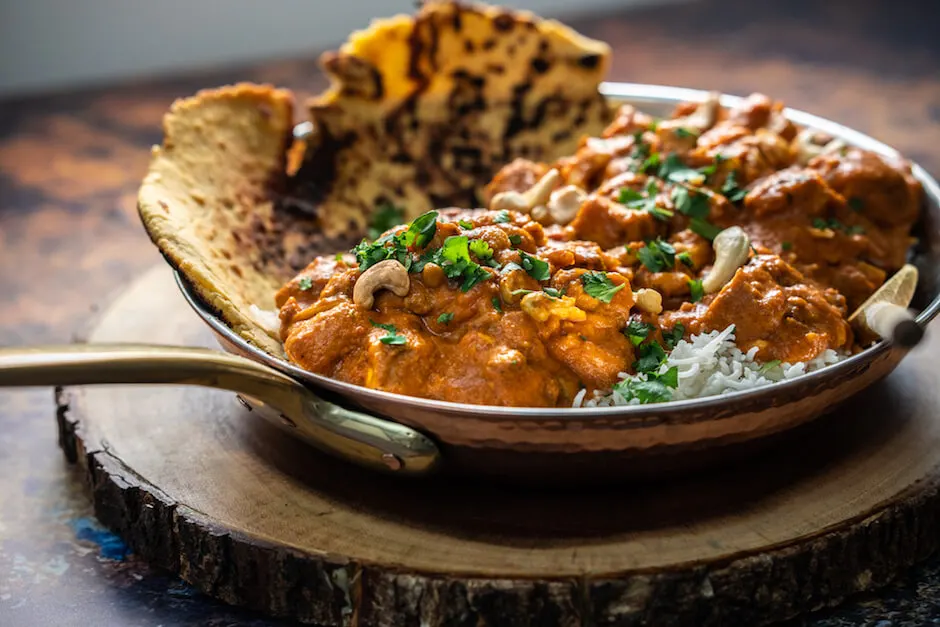
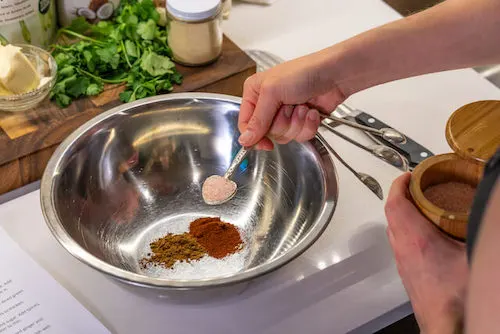
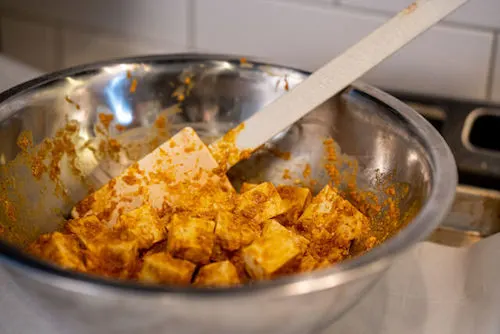
Tofu Makhani with Naan Bread

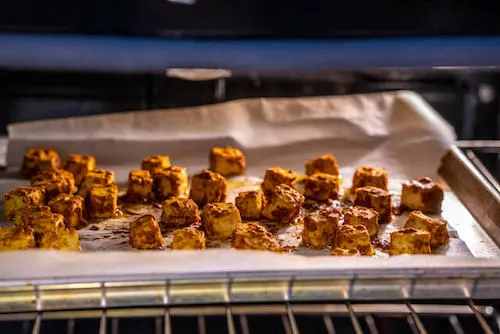
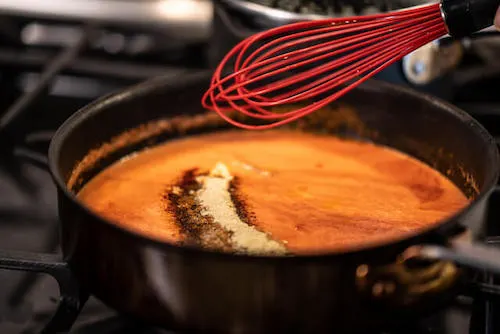
This Tofu Makhani is a veganized version of a traditional Indian dish. It takes time, and a lot of spices, but man is it worth it. The sauce is so rich and flavorful, and the baked tofu comes across as paneer. The gluten-free naan is just as good as naan made with flour. In a hurry? Skip the bread and just serve tofu makhani over rice.

Makhani is an Indian word meaning “with butter”. Most sources say that this dish originated in Delhi, the capital of India sometime in the 1950s. The story goes that cooks mixed leftover marinade juices with butter and tomato, and stewed chicken in it. It was cooked tandoori style; in circular clay ovens.

The dish is without question the most popular dish to emerge from India. The mildly spicy, creamy, savory flavor makes it more than just delicious, but accessible to almost every palate.

Naan bread has been around much longer than Makhani. It is is a leavened, oven-baked flatbread found in the cuisines mainly of Western Asia, South Asia, Central Asia, Myanmar and the Caribbean. Traditionally, it is made with white flour, yeast, yogurt, and, you guessed it, more butter. It is then cooked on the sides of the tandoor ovens.

Tofu Makhani with Naan Bread

This veganized recipe combines traditional spices for the unique flavor and aroma characteristic of this dish. The substitutions of vegan butter and coconut milk preserve the rich creaminess of the dish, while eliminating some of the calories and side effects of dairy products.


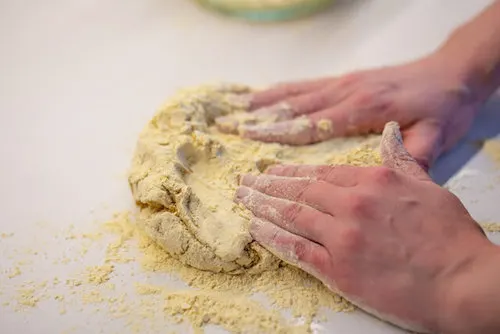
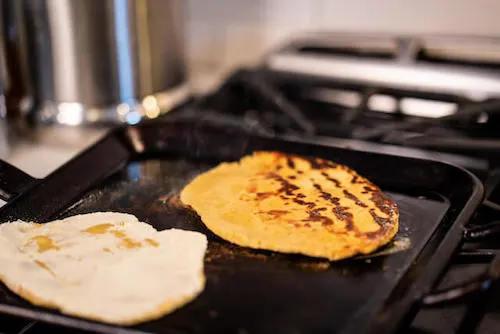
If you have never made gluten-free bread, this naan bread is a great one to start with. The dough is forgiving, and pan frying is much more approachable than baking or filling a dough. Chickpea flour is relatively fine, so the bread is not grainy, and frying it in coconut oil is not only simple, it results in a soft, chewy bread perfect for sopping up the Makhani sauce.


Make it a Meal

This dish is hearty and filling served with naan bread. If you prefer, try it served over perfectly cooked, hot rice.

Four Hummus Recipes: Four dips your crackers will be begging for

Hummus is a great staple item to keep around the house. It makes for easy snacks, is a substitute for mayonnaise on sandwiches, and can also make a hearty salad. There is definitely more than one way to make hummus! Here are four hummus recipes to satisfy every palate.

Once you have the basic recipe, you can add a variety of flavors such as extra garlic, roasted red peppers, basil pesto, cilantro-avocado, frozen spinach and vegan cheese, and more.

History of Hummus

No one knows the exact origin of hummus. The Greeks claim to have invented it, but so too do the Arabs. The earliest reports of hummus were in about the 13th century in Egypt. A cookbook that described a dish called hummus bi tahina. This was a cold dish with chickpeas blended with vinegar, pickled lemons, herbs, spices, and oil, but no tahini. Tahini appears to be a much more recent addition to the mixture.

It makes sense that these places would debate over the origin. Chickpeas, the basic ingredient in hummus, were and are abundant all throughout the Middle East. In fact, the word hummus actually means chickpea in Arabic. Furthermore, we know hummus was consumed across the Levant for over a century.

The history of hummus is so blurry it is now considered simply a worldwide food. The origin lost to antiquity.

Four Hummus Recipes: Why these variations?

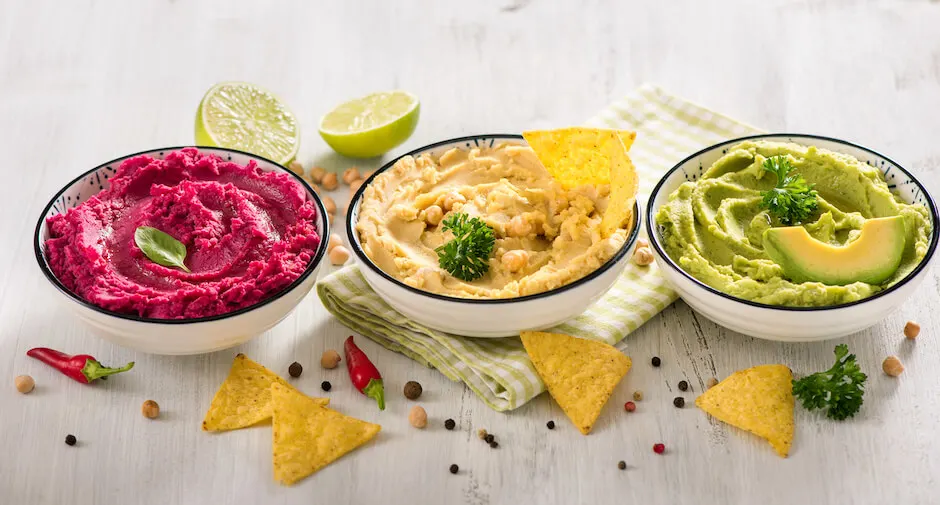
Classic Hummus

Well, this hummus recipe is just classic. No change from what I consider “traditional” hummus. Just chickpeas, lemon juice, tahini, and garlic seasoned well and thinned out with water to the desired consistency.

Beet Hummus

Steal the show on any charcuterie or appetizer buffet with the brilliant ruby reddish-pink color of beet hummus. Roasting in advance mellows the earthy flavor and brings out the sweetness of the beets.

Garlic-Basil Hummus

Garlic adds a spicy, sharp note to the neutral background of the chickpeas. Basil brings a summery freshness and a fragrant anise aroma. Plus the bits of basil creates a speckled effect that sets it apart from the classics.

Avocado Cilantro

In classic hummus, we use fatty tahini to add richness to the dish. In this Californian variety, we use avocado as our rich filler. Cilantro adds a pop of zesty, peppery complexity. To even further drive home the Latin American flavor, we use lime as our acid instead of the traditional lemon.

Make it a Meal

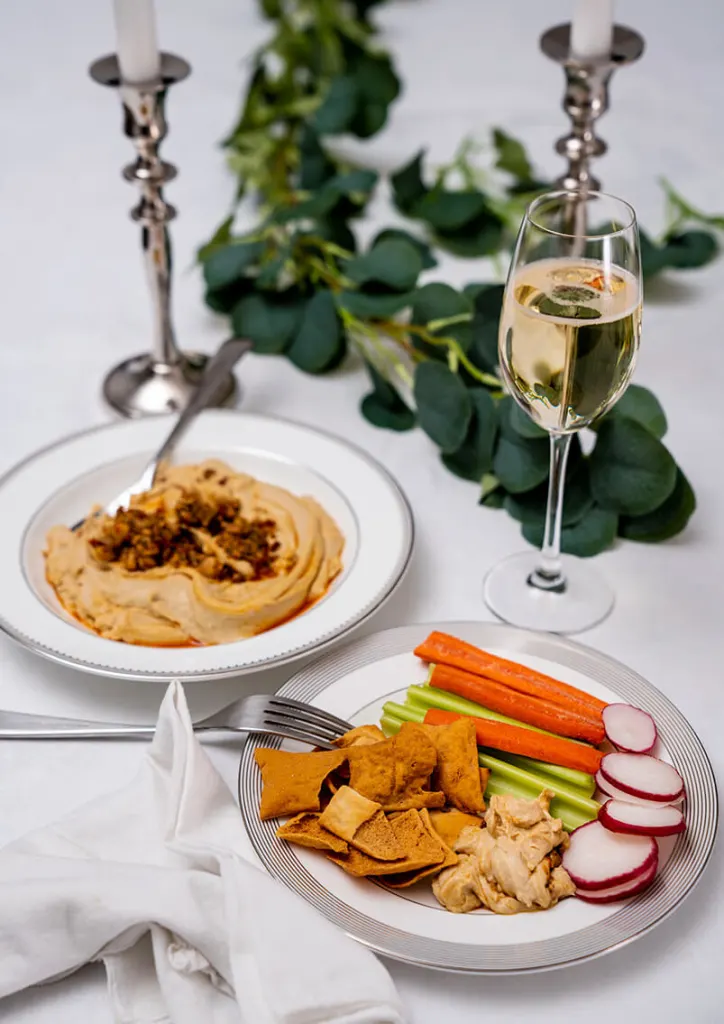
Serve any of these four hummus recipes with Mediterranean Vegetable Kebabs for a quick meal on the grill or to help teach children about the history of foods from a different culture.

I hope you enjoy these hummus recipes on your favorite cracker, with fresh veggies, or as a topping or spread. What’s your favorite hummus recipe?

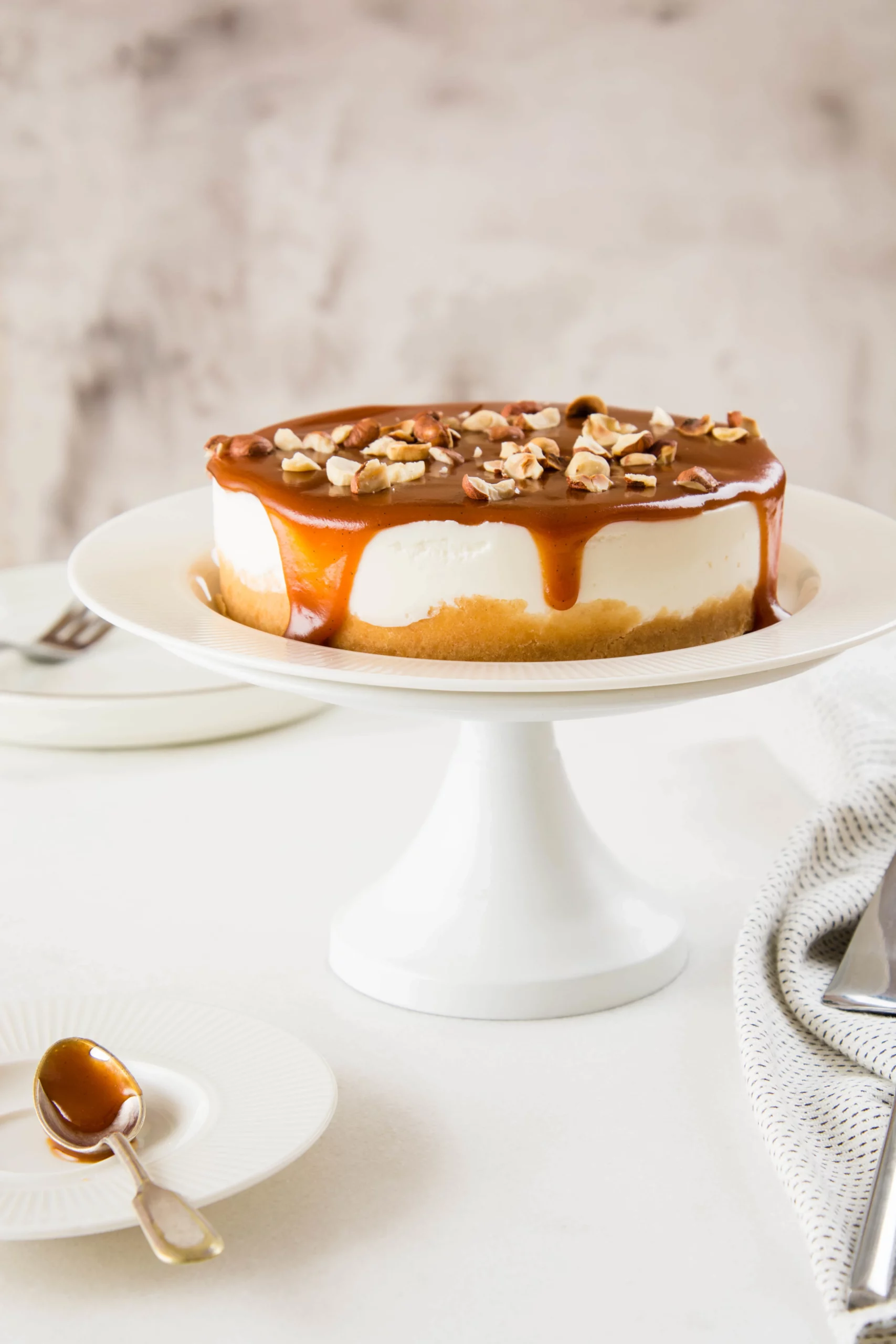
Salted Caramel Cheesecake

Not only is this salted caramel cheesecake rich, smooth and delicious, but it’s also vegan! It’s sure to be the hit of your next gathering. If you want to make this extra-special dessert, plan ahead because you have to soak cashews overnight for a super smooth texture.

Sometimes you just want dessert.

So many people think they could never choose a vegan lifestyle because they couldn’t give up certain foods. And while this website is dedicated to promoting the health benefits of a plant-based diet, I get it. Sometimes you want something a little indulgent, like some crispy french fries, or a delectable dessert. If you’ve tried many of the recipes here, you have probably learned that my goal is to create healthy, vegan recipes that don’t scrimp on flavor.

The truth is, you can eat a healthy, diverse plant-based diet without giving up foods you love. Having said that, I do not recommend eating rich desserts like this one on a daily basis. Nor do I recommend eating fried foods all the time. But I do encourage you to allow yourself the occasional indulgence.

So the next time you just gotta have a sweet treat, give this Salted Caramel Cheesecake a try. You’ll be so surprised at how rich, velvety smooth, and delicious it is!

Salted Caramel Cheesecake