
Risks of Beta-Carotene for Smokers

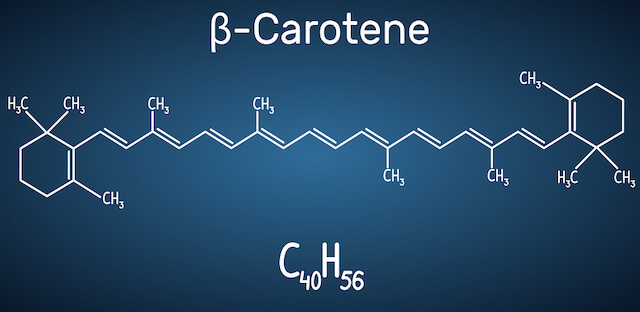
Carotenoids, such as β-carotene, are powerful antioxidants. Research about how they reduce the risk of diseases, such as cancer and heart disease, is plentiful. But some research reveals that there are inherent risks of beta-carotene when it comes to smokers or other people with a high-risk for lung cancer.

Do you smoke?

As a health and wellness educator, I would be completely remiss not to address this first. If you are a smoker, your question should not be, “Can I take β-carotene?” Your question should be, “How can I stop smoking?” Smoking increases your risk of various types of cancer, respiratory disease, cardiovascular disease, eye disease, vascular disease, osteoporosis, tooth decay, and more. It affects literally every single body system. If you smoke, I urge you to find a smoking cessation program that works for you.

Is Beta-Carotene a Risk for Smokers?

β-carotene is a carotenoid that converts into vitamin A in the body. Although β-carotene actually reduces the risk of cancer in most people, people who are at high risk for lung cancer may need to use caution. This includes: People who smoke cigarettes or regularly inhale secondhand smoke and people regularly exposed to radon, asbestos, diesel, or other toxic inhalants.
Dosage is Important

Before we start digging into some studies, let’s look at the USDA Recommended Daily Allowance for vitamin A.

Recommended vitamin A intakes for people 14 years and older range between 700 – 900 micrograms (mcg) of retinol activity equivalents (RAE) per day. Recommended intakes for women who are nursing range between 1,200 – 1,300 RAE. Lower values are recommended for infants and children younger than 14. Upper recommended limits range from 1,400 – 1,500 mcg for people over 14 years of age.

Vitamin A is a fat-soluble vitamin. As such, taking too much vitamin A can cause an accumulation in the blood and lead to vitamin toxicity. Daily intake should not exceed the recommended amounts unless under the specific recommendation and monitoring of a health care provider.

Studies About β-Carotene and Lung Cancer Risk

In a 1994 study, β-carotene supplementation in male smokers was found to be significantly associated with an increased risk of lung cancer. Subjects received 20,000 mcg of β-carotene daily, and results showed an increased occurrence of lung cancer as well as ischemic heart disease. This is over fifteen times higher than recommended dosages and thirteen times as high as the upper limits.

Another study published in 1996 took this a step further. In this study, smokers received 30,000 mcg of β-carotene plus 7,500 mcg of retinol (vitamin A) in the form of retinyl palmitate per day. This total of a whopping 37,500 mcg daily resulted in large increased risk of lung cancer. On the basis of these findings, the randomized trial was stopped 21 months earlier than planned.

In 2008, a third study arrived at a similar conclusion. β-carotene supplementation in current smokers was associated with an increased risk of lung cancer. Among former smokers, no significant increase was noted. The average daily β-carotene dosage in these trials ranged from 20,000 to 30,000 mcg daily.

Conclusions

Looking at just these three studies, it appears that large doses of vitamin A cause an increased risk of lung cancer in high-risk patients, such as smokers. Scientists don’t understand exactly how β-carotene increases lung cancer risk in smokers. One hypothesis is that β-carotene, in the presence of cigarette smoke, may convert from having antioxidant properties that destroy free radicals to actually inducing or increasing their production.

On the Other Hand. . .

A review of these studies points out the extreme doses of vitamin A administered. This review states that “no effects or even protective effects against smoke or carcinogen exposure were observed when β-carotene was applied at physiological dosages or in combination with vitamins C and E.”

The key phrase here is physiological dosages. This means the normal amount that is beneficial for functional effects. It is also important to note that the combination of β-carotene with vitamins C and E has a protective effect against lung cancer.

This review somewhat debunks the claims of the other studies, however the need for more research is apparent. It does seem that there are risks associated with beta-carotene for smokers. And certainly, very large doses of vitamin A may not be the best choice if you smoke. But regular recommended doses, especially when paired with vitamins C and E, may be beneficial.

Make a Decision for Better Health

If you smoke, please try to stop. It is the biggest move towards better health and longevity that you can make. In the meantime, if you are not comfortable taking β-carotene or other forms of vitamin A, then don’t. If, however, you want to take a vitamin A supplement, use common sense and take a normal therapeutic dose.


For more information about vitamin A and other beneficial antioxidants, check out 6 Important Vitamins for Eye Health.

Want access to an entire library of health and wellness video education? Come
Exposing 4 Myths About CBD Oil

CBD is the new hot ticket item. People want to be reassured that the product is absolutely pure, reliable, and mostly, legal. In this post, I address the cultivation of and expose 4 common myths about CBD oil.

Myth: Marijuana and hemp are the same.

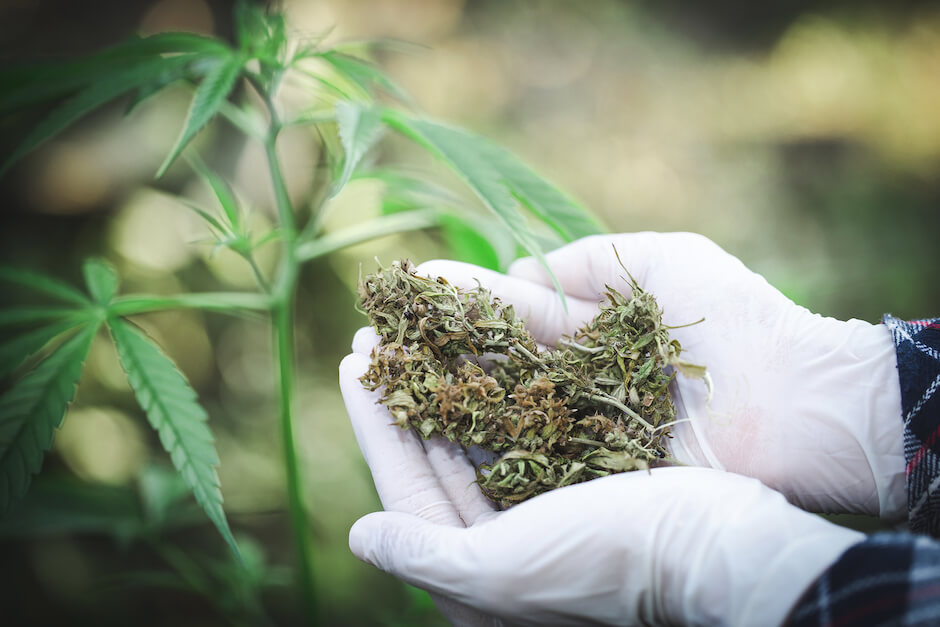
The classification of Cannabis genus plants is actually quite tricky. The three main types of Cannabis are: C. sativaC. indica, and C. ruderalis. Cannabis sativa is by far the most commonly cultivated plant for THC and CBD, so this article will focus on that species.

Let’s chase a rabbit for a moment.

Before we delve into the difference between hemp and marijuana, it’s important to understand what a species is. By definition, a species is a group of individuals that actually or potentially interbreed in nature. Of course, in this case, we are talking about plants.

The definition is a bit confusing because in nature, we see some creatures that seem quite different interbreed to produce offspring. For example, all domestic dogs are of the species Canis lupus familiaris, but obviously there are many varieties of dogs with very different characteristics. The same is true for other animals and even plants.

Chemical Differences of Hemp and Marijuana

In the same way, hemp and marijuana are from the same species of plant, but not the exact same plant. So one way to think about it is as if they were different varieties (or breeds) of Cannabis sativa. These two plants do have physical and chemical differences, but because they can cross-pollinate (breed) with one another, they belong to the same species.

The Agricultural Act of 2018 provides the legal definition of hemp as having a concentration of no more than 0.3% THC. Concentrations this low are non-intoxicating and legal in all 50 states according to the farm bill. Previous legislation, namely the 1937 Marihuana Tax Act and the 1970 Controlled Substances Act, failed to make any distinction between marijuana and hemp plants. Consequently, hemp was classified as an illegal schedule 1 drug alongside marijuana, heroin, LSD, and others. With the passing of the latest farm bill, the government officially recognizes the difference and lifted the prohibition of hemp.

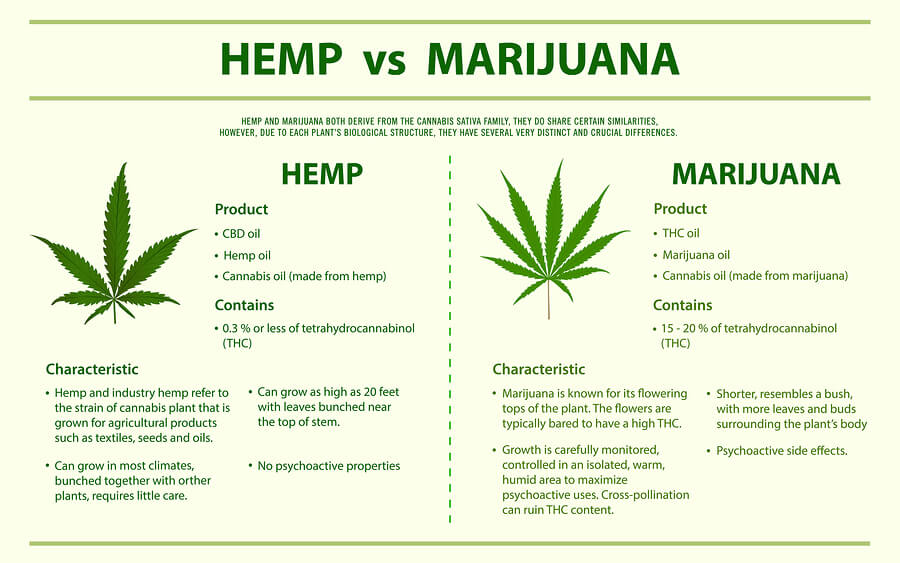
The defining characteristic between hemp and marijuana is their chemical compositions. Both plants produce high amounts of CBD, however, they produce THC at very different levels. While hemp can contain no more than 0.3% THC, marijuana can contain up to 30%.

Stems or Flowers?

Many people contend that hemp and marijuana look so similar as to be entirely indistinguishable. However, the two plants do have some basic differences. Hemp plants are grown primarily for their fiber and seeds. Produced to maximize size and yield, hemp plants tend to be tall, skinny and scarce in foliage. In contrast, marijuana plants are carefully cultivated to encourage more female plants with thick, lush foliage and flowers.

Bottom Line

We can stop saying that marijuana and hemp are different species. To be technically correct, we must say they are different varieties of the same species, Cannabis sativa.

While it is true that you can obtain and isolate CBD from both varieties of the sativa plant, CBD obtained from the marijuana plant is still classified as illegal in most states. The 2018 Farm Bill legalized hemp-derived products, but it does not allow for CBD derived from the marijuana plant. Marijuana-derived CBD is still considered a schedule 1 substance and is therefore illegal in most states.

This is why it is very important to research and verify the source of your CBD. Unless you live in one of the states where marijuana is legal, you will want to make sure your CBD is hemp-derived.

Myth: You can get high from CBD.

This is simply not true. As long as the product you use contains less than the legal amount of 0.3% THC, it cannot get you high. In fact, CBD has properties that actually block the effects of THC and prevent intoxication.

And this goes for drug testing as well. Drug tests are specifically designed to detect THC, not CBD.

Myth: Full-spectrum is better than isolated CBD.

This one is also false. There are actually a few different types of CBD out there, and while each of them are different in their composition and effects, one is not better than the others.

Full-Spectrum CBD

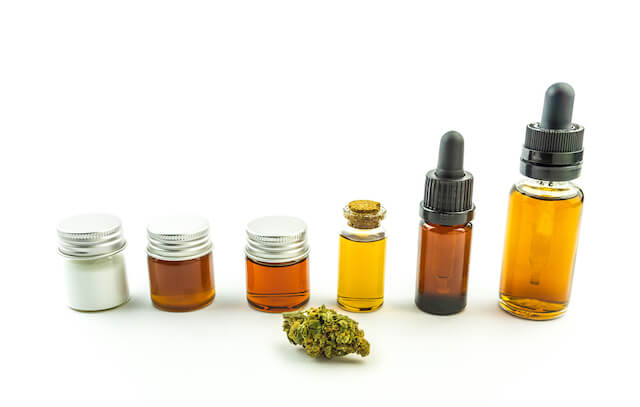
Full spectrum, or whole plant, CBD contains all the compounds that naturally occur in the plant. This includes terpenes, essential oils, and other cannabinoids. There are over 100 different cannabinoids in the plant, with THC and CBD typically the most prevalent.

The full spectrum of constituents from the whole plant work together to magnify the therapeutic effects of each cannabinoid. This is known as the entourage effect.

Full spectrum products typically contain higher THC levels than other types of extractions. This may pose issues in some states or for users who do not want THC to show up on screenings or tests.

Broad-Spectrum CBD

Because of the concern regarding THC in full-spectrum CBD, some producers offer broad-spectrum CBD.

The product undergoes processing to remove as much THC as possible while preserving the other natural cannabinoids and terpenes. Broad spectrum CBD is an excellent choice for individuals who can’t have any trace of THC in their system, whether for medical, personal, or legal reasons.

CBD Isolate

As the name suggests, CBD isolate is an extraction of the single compound of CBD. Everything else contained in the plant matter is removed, including any traces of THC, terpenes, waxes, oils, chlorophyll, etc. What remains is 99% pure CBD. This results in a very concentrated extract.

When evaluating an isolate, it’s very important to verify the purity. While many types are 99.9%+ pure with no identifiable amounts of THC, lower purity options may still contain trace amounts. This small percentage of THC is usually negligible, but for those seeking the purest CBD, it is something to be aware of.

Enhanced CBD Isolate

Some companies utilize isolate extraction for a concentrated CBD oil and then add in other compounds. For example, the addition of essential oils creates a chemical profile similar to a broad spectrum product without the risk of THC contamination. Additionally, they bring the added therapeutic benefits of the essential oils used in the product.

So which should you choose?

As with all things Cannabis, there’s no correct answer to that question. Every person reacts differently to CBD, so you won’t know for sure what’s best for you until you try it yourself. Whatever you choose, start slowly, and gradually increase the dose after you see how it affects you.

Regardless of which type of product you choose, take a look at the company’s extraction methods. Some companies use solvent or high temperature extraction methods that can damage beneficial compounds and leave chemical residues. For this reason, many people prefer chemical-free, low temperature CO2 extraction.


Still have questions?

CBD is such a popular topic right now. Check out this post, Answers to Top Questions about CBD.

Health Benefits of Hydroxytyrosol

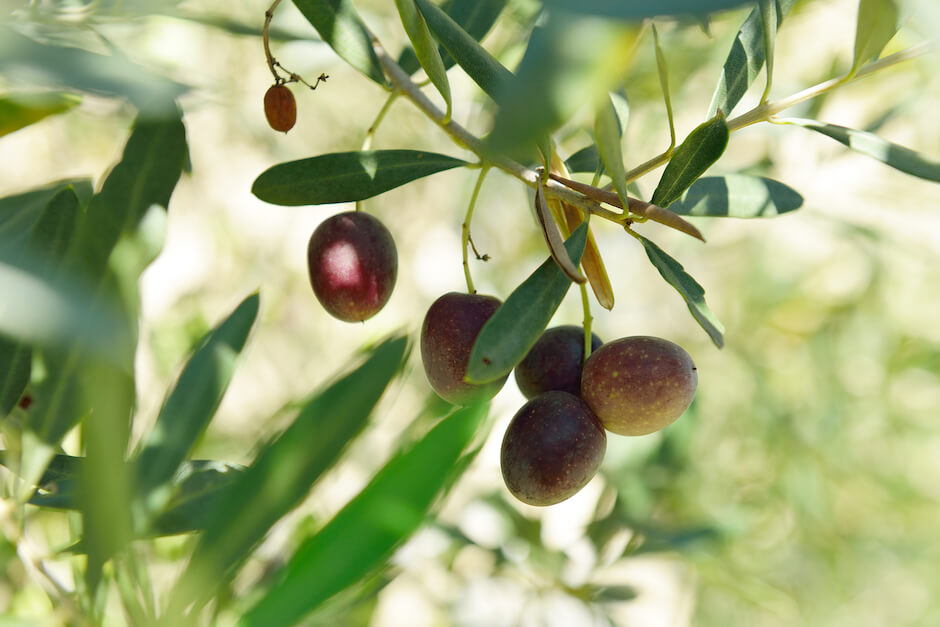
Hydroxy-what? What even is it, and why should you care? Hydroxytyrosol is a naturally occurring phytochemical with remarkable antioxidant, anti-inflammatory, and cancer preventive activities. Found in the fruit and leaves of olive trees, this powerful compound is one of the key active ingredients responsible for the numerous benefits of olive oil. Read on to learn about the health benefits of hydroxytyrosol.

The Structure of Hydroxytyrosol

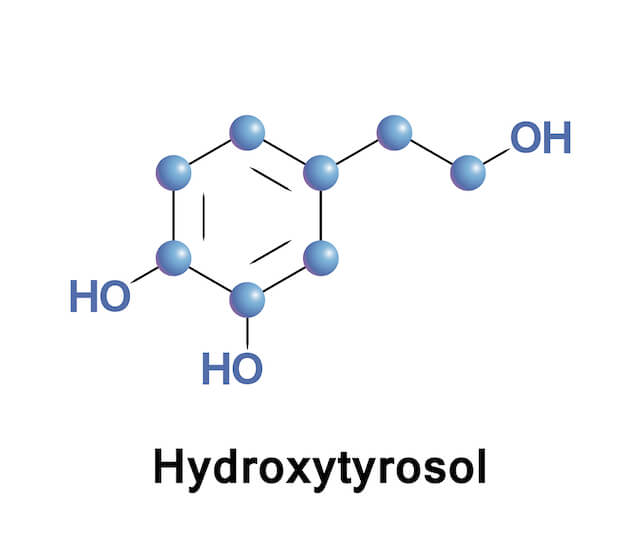
The many benefits of this natural, plant-based compound are largely due to its unique composition. Hydroxytyrosol is a phenolic compound and is amphipathic, meaning it has a lipophilic (fat soluble) end and a hydrophilic (water soluble) end. This gives it the ability to penetrate cell membranes for easy absorption into the body. This simple structure and bioactive power make this compound very cytoprotective. It readily absorbs into cells and is just as easily eliminated, so there is no risk of accumulation.

Once in the cells, this compound gets to work scavenging free radicals and reducing inflammation. The numerous benefits of hydroxytyrosol are one of the reasons for the many health benefits of the Mediterranean Diet.

Cardiovascular Protection

Atherosclerosis is the buildup of fats, cholesterol and other substances in and on artery walls, which can restrict blood flow. Let’s review several factors that contribute to atherosclerosis and how hydroxytyrosol works to protect your heart.

Reactive Oxygen Species

Oxidative stress within the arteries is the major cause of atherosclerosis. Hydroxytyrosol works by increasing catalase mRNA, protein, and activity of both cytosolic and nuclear protein levels, which directly increases the expression of anti-oxidant enzymes. In other words, it regulates the body’s antioxidant defense system and reduces reactive oxygen species inside the arteries.

Breakdown of LDL

Oxidized LDL is a harmful type of cholesterol that is produced when normal LDL cholesterol is damaged by free radicals. The breakdown of LDL is also a major contributing factor to the development of high cholesterol and atherosclerosis. Numerous studies demonstrate the potency of hydroxytyrosol as a protector of LDL.

Platelet Aggregation

Platelet aggregation is simply the clumping together of platelets in the blood. Hydroxytyrosol significantly reduces platelet aggregation.

Anti-inflammatory Effects

A study from the human nutrition and health department describes hydroxytyrosol as the most powerful anti-inflammatory compound among polyphenols of olive oil. This is because of its effective inhibition of pro-inflammatory cytokines and enzymes.

Cancer Prevention

Scientists estimate that more than two-thirds of human cancers can be prevented through appropriate lifestyle, which includes proper nutrition. Over the past 20 years, many studies have indicated an inverse correlation between regular fruit and vegetable consumption and development of various types of cancer. This is largely due to polyphenols.

Hydroxytyrosol acts in both the initiation and progression phases of carcinogenesis. First, it prevents DNA damage induced by different genotoxic molecules, and it also inhibits proliferation and inducing apoptosis in tumors cell lines.

Metabolic Benefits

Metabolic syndrome is a group of conditions occurring together, increasing the risk of heart disease, stroke, and type 2 diabetes. These conditions include high blood pressure, high blood sugar, and excess body fat, as well as abnormal cholesterol or triglyceride levels. Studies show that a higher intake of hydroxytyrosol improves lipid profile, blood glucose levels, and insulin sensitivity, and also counteracts oxidative and inflammatory processes.

Another study evaluated the benefits of hydroxytyrosol for reducing obesity and insulin resistance and improving overall gut health in mice. This is promising evidence for the prevention of metabolic syndrome and its effects.

The Benefits of Antioxidants

You probably noticed the common thread in all of these benefits is the antioxidant power of hydroxytyrosol. Because we simply cannot avoid free radicals and resulting oxidative stress on our bodies, antioxidants are a necessity. Hydroxytyrosol offers perhaps the most bio-available, potent and effective antioxidant power available. This not only benefits your heart, metabolism, and immune function, but also your eyes, skin, and every body system. To learn more about free radicals and antioxidants, check out this post.


Want to learn more ways to prevent disease and protect your eyes? Check out this post on 6 Important Vitamins for Eye Health.

Looking for more education about natural wellness alternatives? Come

How to Detox Your Armpits

Detox your armpits? If you read that title and shook your head, or maybe you even chuckled a bit, stick with me for a moment. Let’s just put it all out there and talk about armpits. You may be surprised to learn the many functions that occur in that damp crevice between your arm and torso.

Armpit Anatomy

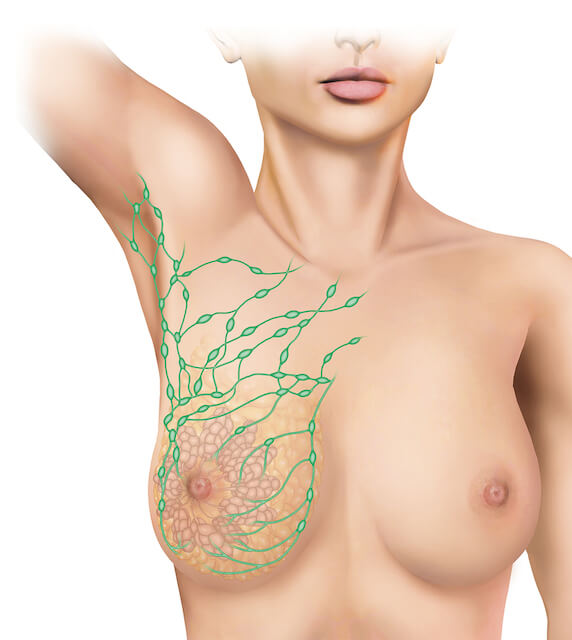
The armpit, also called the axilla, can be the source of unpleasant odors, embarrassing wetness, and a hairy annoyance. But your armpits form an important juncture that protects important lymph nodes and soft tissue. In fact, more than 20 lymph nodes reside in each armpit, along with a high concentration of sweat glands and hair follicles. That’s about 6% of your body’s lymph nodes in just that small area.

The lymph system consists of a network of lymph vessels and nodes. As part of the body’s immune system, the lymph system collects fluid, waste material, bacteria, viruses, and other toxins from body tissues. These waste materials are then routed to the lymph nodes. They contain immune cells that help fight infection by attacking and destroying germs. Once lymph fluid is concentrated within the lymph nodes, it filters back into the bloodstream where the kidneys take care of the waste material.

So you see the important role of lymph nodes for keeping the body healthy and clean. This underlines the importance of keeping your armpits clean as well. The small pores in our armpits can become clogged from using commercial antiperspirants, which are specifically designed to block sweat glands. For more information about the risks associated with deodorant/antiperspirants, check out this post, Four Toxins Lurking in Your Deodorant.

Signs You Need an Armpit Detox

Odor

Have you noticed your deodorant just isn’t working as effectively as it used to? Or maybe you have to reapply during the day or just notice an increase in your personal – ahem – aroma. In reality, sweat doesn’t stink. It’s colorless and odorless. What creates body odor is the bacteria on your skin. Our armpits provide ideal conditions for bacteria to thrive. This region is dark, moist, and warm — the perfect home. An increase in body odor is a sign that your bacterial flora has changed, or maybe it has just accumulated too much. A detox can help draw out bacteria and cleanse the area.

Irritation from Deodorant

Especially if you recently made the switch to a natural deodorant, you may have an itching or burning rash in your armpits. The product you use determines in part the flora under your arms. When you make a switch, the microbiome under your arms will change in response to the ingredients in your deodorant.

Switching to a Natural Deodorant

As mentioned above, when you switch your deodorant, it directly affects the armpit microbiome. If you switch from a commercial antiperspirant to a natural deodorant, you will most definitely experience a period of adjustment. You may notice more wetness and odor at first.

Logic follows that as the armpit flora changes, so will underarm odor. But since most people don’t understand the bacterial battle that occurs in their armpits, they often assume their natural deodorant is not working. Your body needs time to adjust to the change of product. Doing an armpit detox may reduce this adjustment period.

If your new natural deodorant contains baking soda, you may experience an itching or burning rash. This is because human sweat is slightly acidic, while baking soda is alkaline. When combined together, a chemical reaction takes place. The more acidic your sweat, the more noticeable this reaction may be. It can cause redness, irritation, and rash. For some people, the best solution is to find a deodorant that contains less baking soda. Others find that they no longer experience the rash after an armpit detox.

How the Armpit Detox Works

The armpit detox recipe is very simple. I recommend doing this detox whenever you notice any of the signs described above. You may have to repeat the detox for several days before you notice a difference in odor or other issues. You can also do a detox weekly or monthly for maintenance.

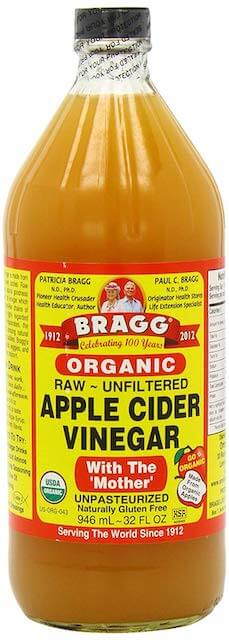
Apple Cider Vinegar

ACV contains acetic acid, which penetrates bacterial cell membranes and kills them. This means apple cider vinegar eliminates odor-causing bacteria and creates an inhospitable environment for bacteria to grow. It also helps regulate pH and is a gentle exfoliant.

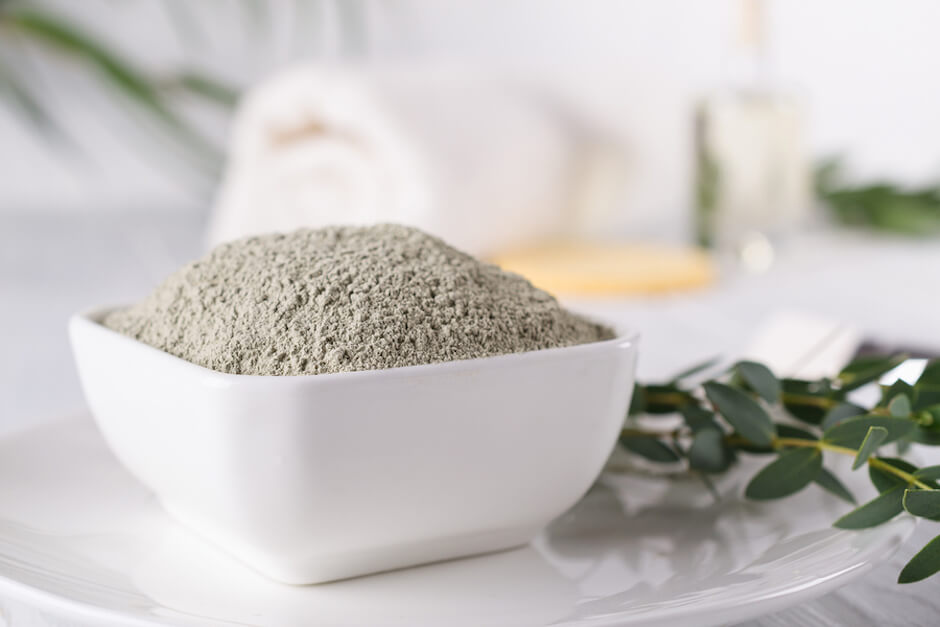
Bentonite Clay

This natural clay is a unique mineral-rich substance that removes impurities, neutralizes bacteria, and alkalinizes. That is why it is so beneficial in the bacterial haven of the armpit. To learn more about bentonite clay, check out this post.

Ready to Detox?

Ingredients

Instructions

  1. Be sure to use plastic or glass bowls and utensils for this recipe, as bentonite clay reacts with metals.
  2. In a small bowl, combine bentonite clay and apple cider vinegar to form a paste. If the mixture is too thick to spread, add a small amount of water to get the desired consistency.
  3. Use the back of a plastic spoon or your fingers to spread the mixture on your armpits. Leave it on for about 10 minutes.
  4. Rinse off in the shower, bath, or with a washcloth.

Do you love learning about natural health and wellness? Come , your essential oil encyclopedia!