The Season of Leo: A time to push past your barriers

Make way, Cancer; here comes the fiery Leo season. From July 23 until August 22 the sun is in Leo. We leave a time of rest and soul-searching and withdrawal to a season of stepping out of our comfort zones. All the world is a stage during Leo season. This is an ideal time to exercise your confidence and personal power.

Personality

Leo is represented by the lion, and it’s no wonder. Leos are natural born leaders with captivating self-confidence, creativity, and dominant personalities. Leos love to be center stage and have an innate gift for unifying people. They attract many friends and are compassionate and always willing to help others. In relationships, Leos’ dominant personalities can be challenging to contend with, so they tend to seek others who are self-assured.

Inasmuch as Leos like to be the center of attention, they also value time alone and need to retreat to their “caves”. Once re-energized, Leos are not afraid to face any situation and thrive on solving problems. However, their ego has a tendency to get in the way, especially when their ideas are not embraced by others. This brave sign has a tough exterior that can be hard to break through. They are not easily hurt by others, but are secure and seemingly impervious to others’ opinions.

Ruled by the sun, Leos are warm and energetic, with a positivity and magnetism that draws others in. Their easy sense of humor and likability make Leo the center of attention at any gathering. Get close enough to a Leo, and you have a friend who will always look out for you and show you a good time as well.

Get Ready for a Season of Action

As we leave the introspective Cancer season, it’s time to get things done. The season of Leo is a season of fire and is all about being daring and adventurous. During this time of creativity, it’s time to stop thinking about that big idea and start doing. Focus on your strengths and talents as you move forward with your head held high.

As you explore ways to encourage your self expression, allow your individuality to shine through. Authenticity is the theme of this season; there is no holding back on your dreams and ideas. It’s time to step into the spotlight and let your voice be heard for a change!

Laughter and enjoyment are also important for Leos. You may feel more outgoing or social during this time. Use this season to go deeper into relationships and let loose a little. It is also a good time to express your feelings freely. Take advantage of this season of the sun and allow your generosity and sentiments of love to prevail.

The Crown Chakra

It’s no surprise that King Leo, the sun sign, is governed primarily by the crown chakra. The crown chakra helps us to overcome the seemingly impossible and push past barriers in our lives. The go-getter Leo personality certainly has no trouble visualizing success and enjoying a challenge. This chakra also promotes awareness, both to the spiritual and physical realm. It helps us to feel connected to the Divine and gives access to enlightenment and wisdom.

Feeling disconnected or overly obsessed with spiritual things is a sign of an imbalance of the crown chakra energy. When this chakra is blocked, a person my reject spirituality and be obstinate or closed-minded. An over-abundance of the crown chakra may result in being somewhat out-of-touch with reality or even feeling depressed and lost.

Crystals and Stones

Stones that encourage creativity and personal power will help you step out of your comfort zone during the season of Leo. The following stones enhance courage, self-empowerment, and motivation to give you the drive you need to bravely step into the limelight. Certain stones for keeping the crown chakra in balance may benefit if you tend to have too much of the “take-on-the-world” outlook.
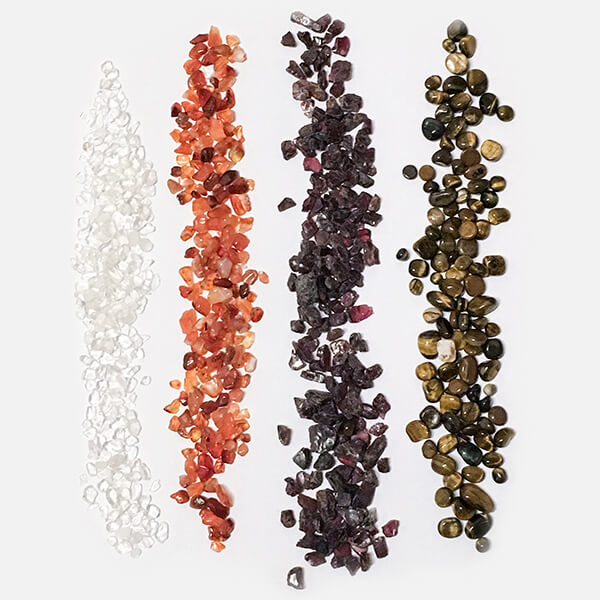
  • Carnelian
  • Garnet
  • Tiger’s Eye
  • Onyx
  • Citrine
  • Amethyst

Essential Oils

Leo rules over the heart, back, and spine, which means people born in this sign have a tendency toward back pain and circulatory issues. Additionally, they have a tendency towards burnout and stress over all the challenges they bravely take on. Essential oils for proper alignment and muscles, as well as relaxing oils will serve the Leo well.

  • Rosemary
  • Ginger
  • Lemon
  • Marjoram
  • Lavender

Roaring Lion Roll-On

During the season of Leo, apply this blend to wrists, neck, and behind the ears and knees to mobilize your dreams and bring your inspiration to reality!

3 drops ginger

2 drops lemon

2 drops marjoram

3 drops rosemary

1 drop rose

Carnelian crystals, optional

Combine essential oils in a 10 mL roller bottle and top off with a neutral carrier oil, such as fractionated coconut oil or sweet almond oil.


Interested in learning about other zodiac signs? Check out these posts about Cancer, Taurus, Pisces, Aquarius, and Aries!

For access to the entire Essential Oil Encyclopedia, start your  today!
Four Toxins Lurking in Your Deodorant

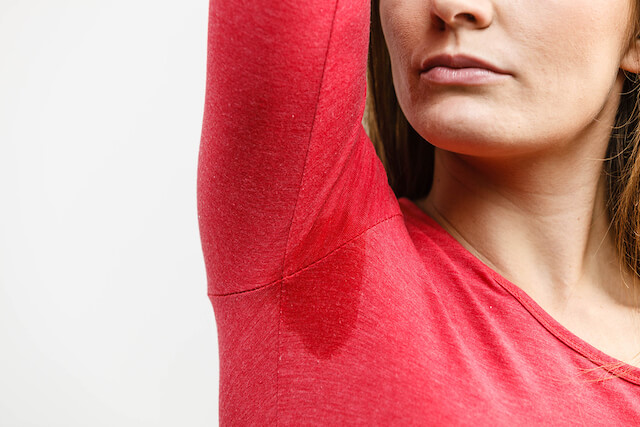
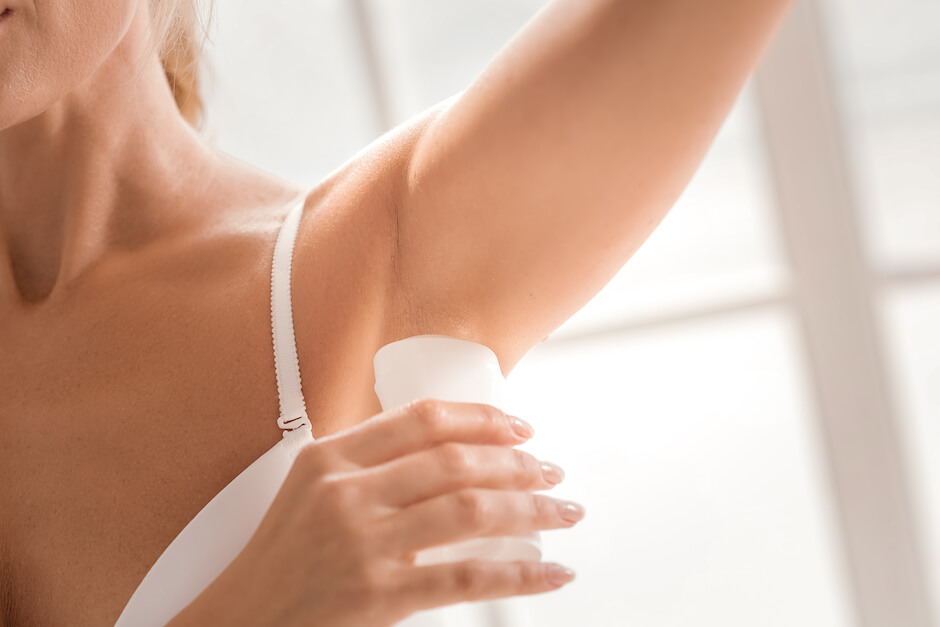
The statistics are alarming: According to the Environmental Working Group, the average adult exposes him or herself to over 126 chemicals each day. And that’s just from our personal care products. To top it off, many chemicals include “known or probable” carcinogens and reproductive and developmental toxins. One of the most dangerous substances we put on our bodies every single day is antiperspirant deodorant. Here are 8 toxins in your deodorant to look out for.

Deodorant vs. Antiperspirant

Let’s first talk about the difference between deodorant and antiperspirant. The purpose of deodorant is to combat body odor. What many people don’t realize is that our sweat actually does not have an odor. Body odor occurs when sweat mixes with bacteria on our skin. Deodorants work by combatting bacteria, but they don’t actually prevent sweating.

Antiperspirants, on the other hand, contain ingredients to prevent sweating. The active ingredient in antiperspirants is aluminum. When you sweat, the aluminum precipitates into a gel-like substance that blocks sweat ducts.

Okay people, sweating is a natural biological process of the body. Not only do our bodies expel toxins through sweating, but sweating also helps balance electrolytes in the body. This is important for good kidney health as well as maintaining a healthy blood volume.

While sweating may be undesirable, it is an important biological process, and we create a health risk by continually preventing our bodies from sweating through the use of antiperspirants.

4 Toxins in Deodorant

Aluminum

We’ve already touched on the risks of using aluminum-based antiperspirants that block sweat glands. But that’s not the only risk associated with aluminum. Studies show elevated concentrations of aluminum in breast tissue from women afflicted by breast cancer. While scientists debate whether Al causes cancer or is just stored in cancerous tumors, it is clear that women with breast cancer have elevated levels of Al.

Additionally, aluminum is classified as a metalloestrogen, which is a synthetic xenoestrogen. Xenoestrogens cause endocrine disruption by mimicking natural estrogen in the body. This may also increase the risk of breast cancer and cysts.

Aluminum also contributes to neurological disruptions, including decreased attention, learning, and memory. Scientists have found elevated aluminum content in the brains of persons with Alzheimer’s disease.

Parabens

Parabens refers to a class of compounds used as preservatives in many cosmetic products, including deodorants. These known endocrine disruptors are easily absorbed by human tissue. Like aluminum, elevated levels of parabens have been discovered in breast tumors.

Triclosan

Triclosan is an antimicrobial agent. In 2016, the FDA banned the use of triclosan in soap products. However, triclosan still remains in other personal care products, such as toothpaste, mouthwash, hand sanitizer, surgical soaps, and, you guessed it, deodorants. Triclosan readily absorbs through the skin into various tissues and fluids. Among the long list of risks associated with this toxin are: allergies and asthma, decreased cardiovascular function, cancer development, reproductive and developmental defects, impaired immune function, and allergic skin reactions. No, thank you.

Fragrance

“Fragrance” is actually a very ambiguous term. The FDA permits U.S. manufacturers to legally hide hundreds of synthetic chemicals in this one word without revealing what those ingredients are. In truth, “fragrance” can include various petrochemicals and phthalates, which may cause developmental delays and allergic diseases.

Is that all the toxins in deodorant?

In recent years, antiperspirant manufacturers have actually cleaned up their act. Aluminum, parabens, triclosan, and “fragrance” are a handful of the most common risky ingredients found in deodorants and antiperspirants today. But be aware that there may be other ingredients to watch out for.

  • Butanes (in aerosol deodorants)
  • Formaldehyde
  • Triethanolamine (TEA) and diethanolamine (DEA)
  • Propylene glycol
  • Phthalates

Looking for a healthier alternative to chemical deodorants? Try my simple Homemade Deodorant recipe!

Answers to Top Questions About CBD

With the ever-increasing popularity of CBD, the marketplace is flooded with hype-filled claims and benefits of this natural miracle drug. We can now find CBD-infused lattes at coffee shops, CBD facials at the spa, CBD candy and baked goods, and loads of lotions and potions containing CBD oil. So what exactly is CBD, and why all the hype? Is it really the miracle drug your anxious coworker and your achy mother-in-law claim it is? Here are some answers to top questions about CBD.

What is CBD?

Cannabidiol, or CBD, is a chemical compound from the cannabis plant (Cannabis sativa). Hemp and marijuana are both varieties that come from the same species of plant. CBD is typically the second most abundant cannabinoid in cannabis plants, next to tetrahydrocannabinol, or THC.

A cannabinoid is a compound that interacts with the endocannabinoid system (ECS) via receptor sites. There are 2 receptors in this system: CB1, and CB2. The way cannabinoids affect our bodies depends largely upon the way they interact with these two receptors.

How is CBD Oil Obtained?

There are two main extraction methods for CBD oil.

CO2 Extraction involves the use of carbon dioxide, which is subjected to extremely low temperatures and increased pressure. This causes a phase change from a gas to a liquid. When reheated and pressurized, the CO2 becomes “supercritical”, which basically means it has properties of a gas and a liquid.

Next, the supercritical fluid passes through a chamber containing the raw cannabis material. As it does so, it gently dissolves the membrane of the plant to release its active compounds.

Then the CO2 and cannabis oil particles funnel into a pressurized cyclonic separator, where the CO2 evaporates from the mixture. The cannabis oil, waxes and resins descend into a collection vessel and are ready for further filtration and purification.

Solvent Extraction is a method of soaking raw cannabis material in ethanol to pull compounds into the solvent. Following extraction, the plant material is then removed and the alcohol is evaporated out.

So Which Extraction Method is Better?

Well, that depends on who you ask. Because CO2 involves the use of high pressures and temperatures, some people contend that it destroys more of the chemical constituents of the plant. Others prefer the CO2 method because solvent extraction destroys the cannabis waxes, which contain beneficial flavonoids and carotenoids. Additionally, there is a limited risk that some of the solvent chemical remains in the final product.

Is CBD Oil Considered an Essential Oil?

In short, no. An essential oil, by definition, is obtained by steam distillation. Therefore, CBD is not an essential oil. The main reason for this is that the high temperatures required for steam distillation would degrade most of the fragile compounds of CBD. CBD essential oil would have far fewer therapeutic properties than the whole oil.

What About Aroma, Viscosity, and Volatility?

Of course the characteristics of the CBD oil you use depend on the extraction method, the producer, and any additives that it may contain. In general, as a whole oil, CBD oil is heavier and thicker than an essential oil, but not quite as thick and slick as carrier oils, such as olive, coconut, or almond oil. The oil does have the natural aroma and flavor of the cannabis plant, however it is not as aromatic as an essential oil and will not evaporate as readily.

Yes. . .and no. The passing of the Agricultural Improvement Act of 2018 legalized CBD derived from hemp plants and containing less than 0.3% THC. However, marijuana-derived CBD oil remains restricted in most states. It is best to check the specific laws for your state.

Can I Get High From CBD Oil?

No. As mentioned above, CBD and THC are both cannabinoids, but they interact with the endocannabinoid system differently. THC fits into a very specific receptor site in the brain, which results in the euphoric feeling of being high. CBD doesn’t fit into the same receptor and therefore will not cause the same sensation. For a more detailed explanation of the endocannabinoid system and how THC and CBD affect it, check out this post.

Does CBD Show Up On Drug Tests?

Drug tests routinely screen for illegal substances, including THC. However, the tests do not screen for CBD. Whether your workplace uses a standard 5-panel or 10-panel screening, neither of them test for the presence of CBD.

What Are the Benefits of CBD Oil?

Although there is minimal research on CBD, the results are promising.

How Do I Take CBD?

CBD products come in various forms:

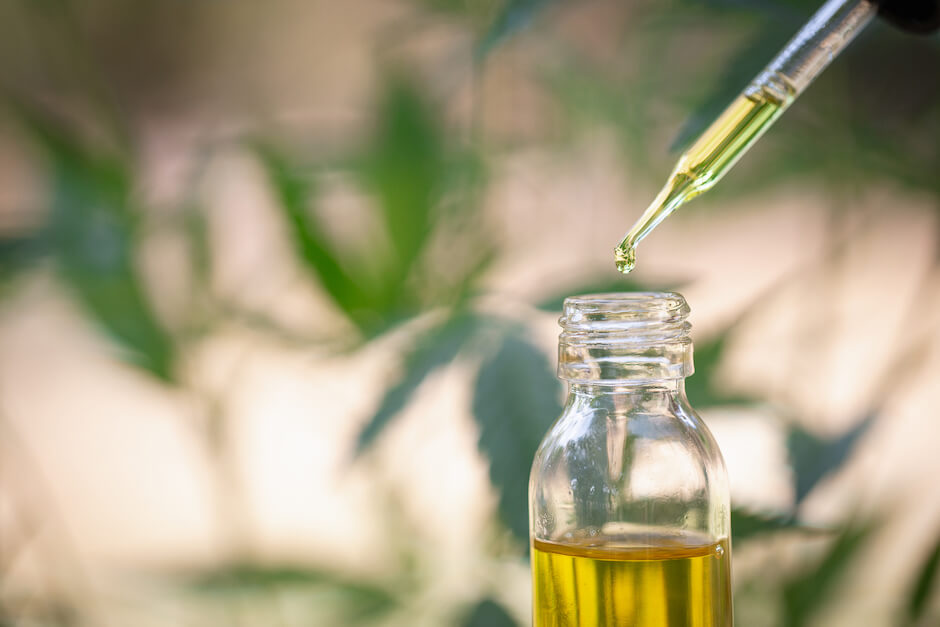
  • Liquid drops for oral usage – typically dropped under the tongue for fast delivery into the bloodstream
  • Topical creams and ointments – especially effective for muscle and joint pain
  • Capsules and pills – typically used for systemic treatment of seizure disorders and digestive issues
  • Edibles, such as gummies – the most popular and affordable method
  • Vaporized CBD oil – the fastest way to experience effects. Compounds are inhaled and absorbed directly from the lungs into the bloodstream. (Beware that research regarding the overall safety of vaping is still lacking, and it may cause significant damage to delicate lung tissue.)

How Much Do I Take?

As with most natural products, it’s a good idea to start with a low dosage and go slow with increasing your dose. Recommended dosages run the gamut, with starting doses ranging from 11 mg to 40 mg. Take into consideration the concentration of CBD in the product you are using, your body weight, and the desired effects.

What are the Side Effects?

Though most people tolerate CBD, it may cause adverse reactions in some people. Possible side effects include diarrhea, changes in appetite†, and fatigue.† CBD oil may also interact with several medications. It is important to discuss with your doctor before you start using CBD oil to avoid potentially harmful interactions.

Is it Safe for My Pets?

With all the benefits listed above, you may be tempted to slip a little CBD oil in your anxious pup’s food or apply some CBD cream to an arthritic horse’s joints. Veterinarians are, in fact, catching on to the CBD craze, and there are a very few promising reports. Unfortunately, there simply isn’t enough research of the effects of CBD on animals at this time. The ASPCA recommends waiting on further research before using CBD with your pets.

More Information

If those answers to the top questions about CBD oil didn’t cover your question, comment below and ask away!

You may also find some great information in the following posts:

Or check out these posts for some great DIYs and recipes with CBD oil:

6 Important Vitamins for Eye Health

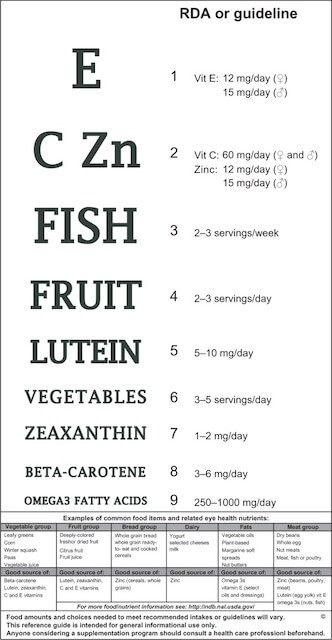
Our eyes are very complex organs that we rely on pretty much every waking moment of the day. Most people don’t give the health of their eyes much thought until something goes wrong. Common conditions, such as chronic dry eyes, age-related macular degeneration, glaucoma and cataracts, can impact your eyes. Though a variety of different factors contribute to these conditions, nutrition seems to have an influence on all of them. Here are 6 important vitamins for eye health.

Vitamin E

Vitamin E is actually a term for eight fat-soluble antioxidants: four tocopherols (α-, β-, γ-, and δ-) and four tocotrienols (α-, β-, γ-, and δ-). The most common form utilized by the body is α-Tocopherol. The primary function of α-tocopherol in humans is that of an antioxidant.

Our cell membranes are composed of fats. These fats are vulnerable to destruction through oxidation by free radicals. α-Tocopherol attacks the free radicals to protect our cells. When it comes to eye health, this is especially important because the retina contains a large concentration of fatty acids.

α-tocopherol is kind of like a bee in that it loses its antioxidant capacity when it neutralizes a free radical. However, vitamin C comes to the rescue and actually regenerates α-tocopherol so it can continue attacking free radicals.

Some sources of vitamin E:

Vitamin C

In the body, vitamin C is required for the synthesis of collagen, a structural component of blood vessels, tendons, ligaments, and bone. Vitamin C is also a powerful antioxidant. Its primary role is protecting essential molecules in the body from damage by free radicals and reactive oxygen species, which are generated during normal metabolism as well as from exposure to toxins in our environment. Because the eye has a particularly high metabolic rate, it has an increased need for antioxidant protection. In the eye, vitamin C may also be able to regenerate other antioxidants, such as vitamin E.

Some sources of vitamin C:

  • Blackberries and blueberries
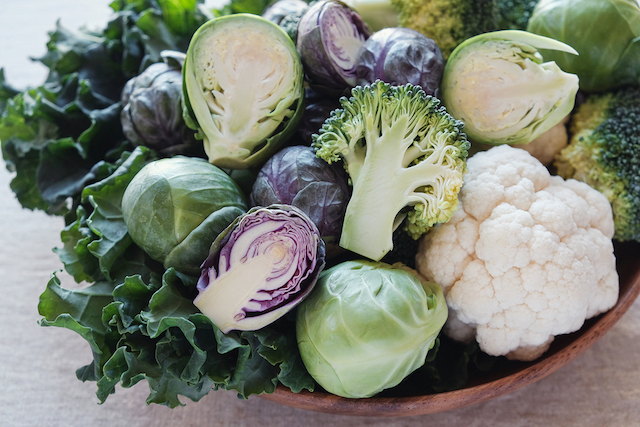
  • Cruciferous vegetables, including broccoli, cauliflower, cabbage, and Brussels sprouts
  • Leafy green vegetables
  • Citrus fruits
  • Red and green peppers
  • Potatoes (both sweet and white)

β-Carotene

β-Carotene is an orange pigment commonly found in fruits and vegetables. It is a carotenoid that provides a vital source of provitamin A. In the body, provitamin A is converted into retinol, or vitamin A, which serves many important roles in the eyes, including protecting against macular degeneration.

Some sources of vitamin β-Carotene:

  • Carrots
  • Sweet potatoes
  • Apricots
  • Squash
  • Dark leafy greens, such as kale and spinach
  • Cantaloupe
  • Red and yellow peppers

Other Carotenoids

Lutein and zeaxanthin are other carotenoids necessary for eye health. These are not involved in vitamin A synthesis, but support the eyes in a different way. These two carotenoids are concentrated in the macular region of the retina and protect this portion of the eye from oxidative stress.

As we age, the macula portion of the eye degenerates as a result of exposure to light. Sunlight used to be the worst type of light for eyes, but today our eyes have to contend with exposure to more than just UV lights. Blue lights from electronics and LED lights can cause even more harm than sunlight. As the only carotenoids found in this portion of the eye, lutein and zeaxanthin play a very important role in protecting the eyes.

Some sources of Lutein and Zeaxanthin:

  • Marigold flowers
  • Green leafy vegetables, especially kale and spinach
  • egg yolks
  • Maize (corn)
  • Orange peppers
  • Kiwi
  • Grapes

Zinc

As an essential constituent of many enzymes in the eyes, zinc is important for maintaining optimal health of the retina as well as healthy metabolism of the eye. 

Some Sources of Zinc:

Omega-3 Fatty Acids

DHA, a type of omega-3 fatty acid, comprises a large portion of cell membranes in the retina. Omega-3 fatty acids provide neuroprotective effects in the retina, including modulation of metabolic processes affecting oxidative stress, inflammation, and vascularization. They also help relieve dry eyes by increasing the production of tears.

Some Sources of Omega-3s:


Looking for ways to add more nutrients to your diet? Try my recipe for delicious Barely Braised Greens.

For more health and wellness education, come