
Perinatal Care of the Vagina

If thoughts of pushing a tiny human out of a much tinier hole gives you bouts of anxiety or traumatic memories, take heart. While giving birth does affect a woman’s nether region, the vagina is actually quite resilient and capable of healing. There are many things we can do before and after birth to ensure our lady parts recover to their pre-pregnancy vigor and fitness. A bit of perinatal care of the vagina can help prepare and restore tender tissues and muscles.

I don’t have children, so I don’t have any personal first-hand experience with the changes that occur postpartum. So I asked my friend, Lydia Ojuka Riley, to share her experience and wisdom on the subject.

Time to Get Real

Vagina. There, let’s just get that out there along with other taboo words like “anus” and “urinary leakage”. Pelvic floor health has become something I’m now used to bringing up in casual conversation. I’m okay with that because the taboo nature of the topic is the single greatest reason for postpartum neglect and maltreatment of women.

When I had my first daughter 12 years ago, I had a relatively routine experience in a hospital. I only needed a little help getting the labor going, pushing as hard as I could while lying on my back, and leaving with a quickly stitched perineum and a cute little baby. I didn’t see the doctor again for 6 weeks, and after a quick exam, I was cleared for “everything”. My experience wasn’t particularly bad, especially when you consider that birth injuries are so incredibly common. However, I’ve come to learn that my care was in no way complete.

Pelvic Floor Rehab

I believe every single woman who carries a baby in her body needs postpartum pelvic floor rehab at minimum, no matter the method of delivery. (I’m looking at you, c-section mamas.) And every woman needs to see a pelvic floor physio as a routine part of annual wellness screens. This is important because gravity and tissue atrophy happen with age, so we’ve gotta stay on top of things. In many ways, perinatal care of the vagina is important to our quality of life.

During my second pregnancy, I planned to have an unmedicated birth. My anxiety about anything diminishes when I fill my head with knowledge, so I studied and familiarized myself with natural birth stories. I noted how many times the pelvic floor was mentioned and decided that an ounce of prevention is worth a pound of cure.

I also noted that in my mid 30s, stress incontinence, leakage, back pain, hip pain, and tummy dissatisfaction were becoming normalized. And not just in my intimate circle of friends, but as I would observe, this issue is much more widespread than I originally thought. For example, the pee-pee accidents of crossfitters on TV, retiring activity of mamas and grandmas all around me (because running means leaking), or friends sprinting to the bathroom during a particularly funny joke. Add to that the regular topic of dissatisfaction during intimacy for a number of reasons, including decreased sensation or pain. The medical solutions are extreme and unreliable. But doing just a bit more can enhance our quality of life as women.

Diastasis Recti

My own pelvic floor issues were my constant low back and hip pain and diastasis recti. This is a very common postpartum condition in which the abdominal muscles separate and don’t hold their shape. I’m athletic, so it bothered me that I experienced so much pain with movement. Plus my tummy didn’t reflect my fitness efforts; it just felt unsupported. I felt like something was off, but I didn’t know it all came down to my pelvic floor.

I’m sure there are tons of great doctors in hospitals, and not every midwife is as great as mine, but I have to give a little shout out here about the midwifery model of care. My postpartum care was outstanding. My midwife didn’t let me leave her care without checking my stitches several times in the weeks after my baby was born to make sure I was healing normally. She also verified that I had diastasic rectified and referred me to a pelvic floor specialist. This small thing absolutely saved me. I remember spending years after my daughter’s birth looking for the miracle ab system that would flatten my tummy.

Prevention is worth the effort.

If you are pregnant, learn about preparing your pelvic floor for birth. The better shape your muscles are in prior to birth, the faster they will bounce back afterwards. This is why perinatal care of the vagina is so vital. I saw a pelvic floor physio, but a virtual coach is another great option when you feel gynormous and don’t want to leave the house.
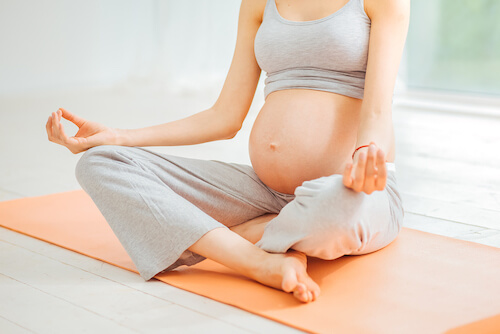
Learn how to kegel.

The saddest fact about my pelvic floor health is that I had not been properly kegel-ing my entire life. Most of us learn to focus on the squeeze; this is unfortunately incomplete. @vaginacoach has a few excellent queues for the kegel. An essential part of the kegel is connecting it to the belly breath. Once those connect, oh baby, you are on your way.

Learn about mother roasting.

Mother roasting is a practice embraced in many cultures around the globe, such as China, Japan, Mexico, Malaysia and Indonesia. It recognizes a new mother’s need to recover, rest, replenish and restore. Traditional mother roasting practices involve warm foods, gentle herbal massages with oils and warming balms, belly wrapping, and ample support.

Get a belly wrap.

Belly wrapping helps heal the postpartum pelvis and abdomen. It provides support to the healing pelvis and abdominal wall. It also encourages restorative posture and alignment, supports the uterus, improves circulation, and provides comfort and support.

It’s not always about making things tighter.

For those of us who feel like things changed as a result of pushing a watermelon out of our vaginas, we often put the emphasis on tightening things up. It surprised me that much of the pelvic floor programs include a decent amount of releasing tension. In the tailwind of kegel mania in which we all live, with everyone seeking tight yoga and pilates abs, its actually quite common to have excessive tightness that creates pelvic floor weakness. The truth is, a complete kegel also involves an open and release movement.
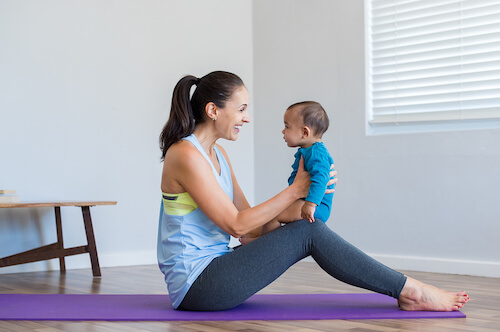

Lydia Ojuka Riley is a wife, mom, and plant mom. She enjoys blogging about wellness and spreading the joys of a non toxic life. Her hope is for all mamas to have the confidence to jump on the trampoline, cough and sneeze without the leg cross of desperation, laugh their heads off without worry, and have an enjoyable and healthy sex life for years and years to come.

Learn More

My midwife referred me to Bellies Inc. Education. There is a simple 6-week postpartum program that employs the “belly breath”, mother roasting, and ab wrapping. This is my favorite go-to resource for perinatal care of the vagina.

For some top tips for a healthy pregnancy and delivery, come check out Top 10 Tips for Every Expecting Mom from my friend Lindsey Meehleis!

Looking for a bit of pregnancy pampering? Come check out these Pampered Mama DIY Recipes!

The Importance of Taking Time for Yourself

To some people, the idea of self-care is foreign. We are so busy dealing with the daily pressures of life, family, career, and other obligations, that the very thought of setting aside deliberate time for ourselves gets pushed aside and may even cause feelings of guilt. Well friends, I’m here to tell you that taking care of yourself is not just a luxury; it’s a necessity. Let’s talk about the importance of taking time for yourself and how it can actually improve your relationships and productivity.

Solitude is Not Loneliness

Solitude. It’s something most of us don’t prioritize or even value. With the demands of family and work life, many people are hard-pressed to squeeze in a few minutes for themselves on a regular basis.

It’s important to understand that solitude is not synonymous with loneliness. Solitude is the state of being alone without communicating with others. In contrast, loneliness is the perceived discrepancy between actual and desired levels of social connection. In short, solitude is a choice to be alone; while loneliness is an undesired lack of companionship. Individuals can feel lonely in the presence of others as well as content during periods of solitude. 

Health Benefits of Solitude

Decreased Stimulation and Emotional Arousal

Because we are energetic beings, we tend to draw energy from others. The more we are surrounded by other people, the more we become influenced by their energy. This is why being around someone who is particularly negative can bring you down, while being around people who are upbeat and positive is contagious as well. Since we draw energy from one another, it is important to take time away from others. This helps us to wind down and get a grip on all that erratic energy, whether it is positive or negative.

Decreased Anger and Anxiety

In one study, subjects became less angry and anxious when they allowed themselves some alone time. The researchers suggest that people can use solitude to regulate their affective states, becoming quiet after excitement, calm after an angry episode, or centered and peaceful when desired. This indicates that solitude brings a better sense of self-awareness and self-regulation. Taking a moment to take stock of your emotions and get a grip on them can decrease stress, anxiety, and depression and help you become more relaxed and calm.

Taking Time for Yourself

So if solitude helps regulate our mood and decreases stress and anxiety, everyone we interact with can benefit. When we are less prone to anger, stress, and sadness and less likely to react in negative ways to our circumstances, we are better able to handle whatever life throws at us. But this does not just mean sitting all alone in silence. Here are some common ways to seek out solitude and time just for you.

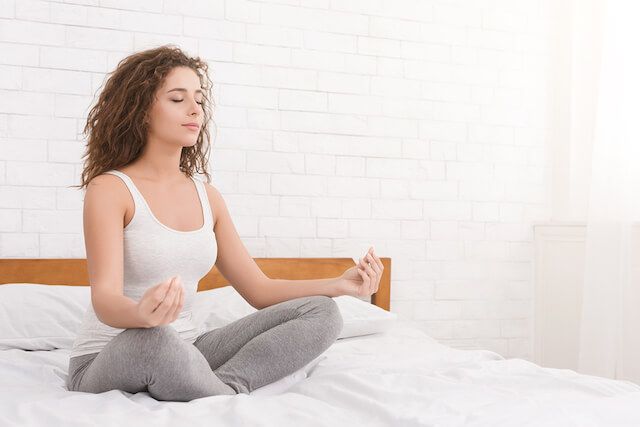
Meditation

Spending time meditating is an excellent way to recharge. It trains you to quiet the voices in your head and helps you to connect with the spiritual part of yourself. As you become more insightful and reflective through meditation, your awareness of unwholesome self-judgments will increase so that you can take steps to consciously make changes. Meditation is also a means of connecting to God. Praying can uplift our spirit and bring a sense of inner peace.

Take Time to Reflect

This goes along with meditation somewhat. Journaling is a great way to release tension and negativity and to take inventory of the good things in your life. You may even consider creating a sanctuary for yourself. If you don’t have an entire room, you can create a special place with just a comfy couch or even a pile of pillows. The idea is to make a place where your brain is conditioned to wind down and relax. You don’t need hours each day either; you’ll be amazed at how spending just 15 minutes of meditation and journaling time will improve your day and your mood.

Exercise

Regular exercise is not just beneficial for your physical health. It also benefits your emotional and mental well-being. Exercise improves mental health by reducing anxiety, depression, and negative mood and by improving self-esteem and cognitive function.

Yoga practices may be of particular efficacy for specific disorders, such as the improvement in negative rumination in anxiety and depressive disorders. 

Whether you choose to do yoga, take up an aerobics class, hit the pavement running, or another form of exercise, taking this time for yourself is key to physical and emotional well being.

Prioritize Sleep

Sleep has a huge impact on how you feel physically and emotionally. When we don’t get enough sleep, we are more prone to stress, and it affects more than just our physical health. Being overtired also decreases brain function and causes mood disturbances. The sleepy toddler throwing a tantrum is not the only one who suffers the effects of sleep deprivation. We women need our rest in order to handle the pressures of our everyday lives.

Take Time to Feed Yourself Well

Eating right takes time. When we are so busy that we resort to grabbing-and-going, we tend to reach for less than desirable foods, nutritionally speaking. Prioritizing meal planning, prepping, and shopping is an absolute must when it comes to self care. The better you eat, the better you look and feel on the inside as well as the outside.

Drinking plenty of water is another way to care for your body. In fact, this study reveals a correlation between drinking water and mental state. Believe it or not, drinking more water can actually decrease your feelings of depression and anxiety. So, drink up!

Indulge

Sometimes we become drained and parched from giving and pouring ourselves out to others. These times, a bit of indulgence can go a long way to replenishing our well being. Spend a day doing something you love: Take a walk in a favorite park, go window shopping, time at the spa, stay in your pajamas and read a book or binge-watch your favorite TV show. The point is, it doesn’t matter what you do, just take time to relax and enjoy yourself.

You may even decide to go on a weekend retreat or another type of vacation. Getting away from your daily responsibilities will make you better able to handle them when you come back to reality.

Schedule “Me Time”

Now that you have a few ideas of ways to prioritize your self-care time, it’s time to make a plan. If you don’t get intentional and deliberate, you won’t actually follow through. Schedule time for yourself on a daily, weekly, and monthly basis. That may mean committing 15 minutes a day to mediation, 3-5 hours a week for exercise, and maybe a few hours for meal planning. Why not look ahead and plan that weekend retreat or getaway to recharge?

The message here is, whatever you decide to do, schedule it ahead of time. And then guard that self-care appointment as though it were the most important thing on your calendar. Because, you know, in some ways, it really is just that.


How taking time for yourself with a relaxing bath? Try this recipe for my Calming Waters Bath Salts.

Home Remedies for Sinus Pressure

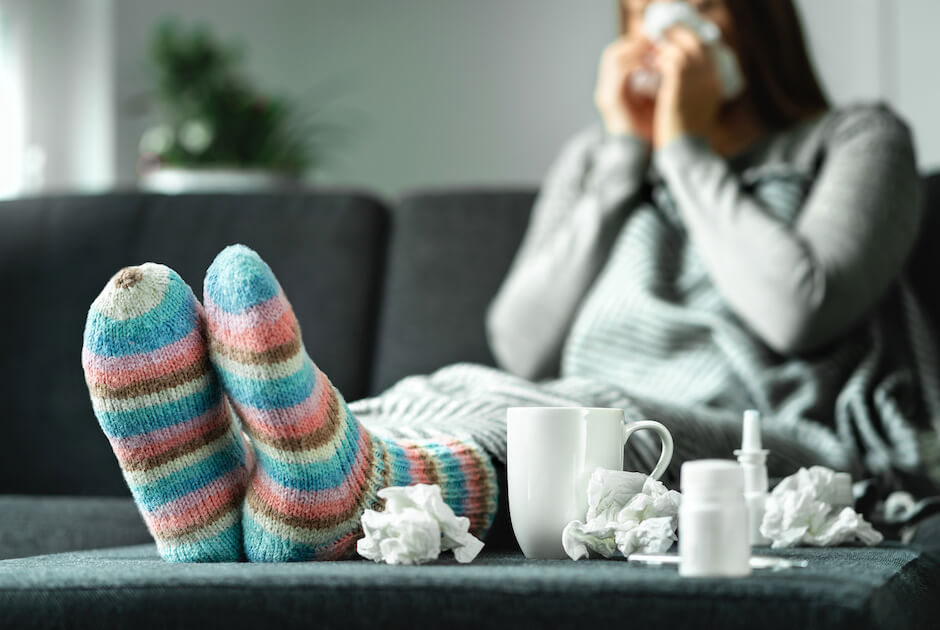
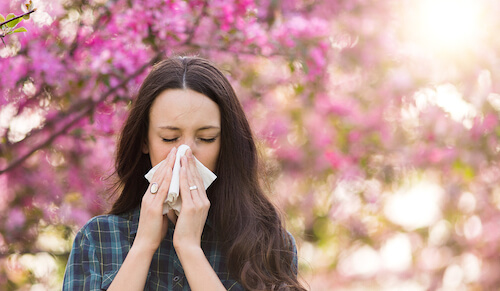
Sinus pressure is that annoying, stuffed up feeling often caused by the common cold, seasonal allergies or the flu. Most of the time, it clears up on its own. But chronic sinusitis can lead to infections and vision problems. Most of the time, sinus pressure and sinus headaches can be treated at home. Read on to learn about some home remedies for sinus pressure.

Keep Nasal Passages Moist

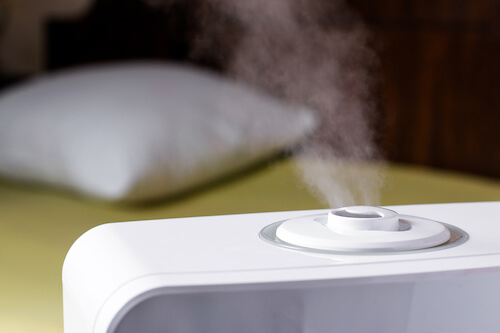
If a runny or stuffy nose dries out, it can actually make the symptoms of sinus congestion worse. To help keep nasal passage moist, use a humidifier in the home, take a long, hot shower or inhale steam from a hot bowl of water. Warm compresses on the face not only provide steam, which moistens nasal passages, but may also help you to relax.

Essential Oils

Some people choose to add essential oils to their humidifiers or bowl of steaming water. Thyme essential oil has been shown to kill bacteria such as Staphylococcus aureus, Streptococcus pyogenes, and Moraxella catarrhalis that can cause sinus pressure and infection. Additionally, thyme is an anti-inflammatory. Lavender, eucalyptus and menthol may also increase ciliary beat frequency. This helps the tiny hairs in your nose clear mucous from nasal passages.

Another option is instilling water directly into the nose with a Neti-Pot, nasal bulb irrigator, or a syringe. Be sure the water you use is sterile (or at least boiled and cooled) to kill possible bacteria and amoebas.

Avoid Pollutants and Other Triggers

Also be sure to avoid activities which can dry nasal passages, such as flying on airplanes and swimming in chlorinated pools. Tobacco smoke and polluted air are also irritating to the airways and lungs, and avoiding unnecessary pollutants can help reduce sinus inflammation. If you are prone to sinus pressure, be sure to steer clear of people who have active infection. If you know allergies are at the root of your sinus pressure, avoid being outside in areas with common triggers for prolonged periods of time.

Change Your Position

You can also manually encourage draining by elevating the head of bed at night or simply propping yourself up on pillows.

Over-the-Counter Meds

If none of this works, you may consider over-the-counter medicines, such as pain relievers like acetaminophen, ibuprofen, or naproxen. If allergies are the cause of the sinus congestion, you can also consider an antihistamine drug, such as diphenhydramine, cetirizine or fexofenadine. Nasal spray decongestants are another option, but they should not be used longer than 3 days as they can actually make congestion worse long-term. Decongestants taken by mouth may increase blood pressure, so check with your doctor and pharmacist before using them.

When Nothing Helps

As much as we like to treat common ailments at home, some sinus pressure requires the help of a physician. See a doctor if you have recurrent sinusitis, if congestion lasts longer than 10 days, or if you have a fever, swelling or redness around the eyes, severe headache, forehead swelling, confusion, double vision, or a stiff neck. This could be a sign of something more severe.  

References


What are your favorite home remedies for sinus pressure? Comment and share below!

Looking for a DIY recipe that may help? Check out this Change of Season Throat Spray!

Peppermint CBD Revitalizing Scalp Treatment

Achieving a luscious, thick head of shiny hair is something that just about every gal desires. So much so that haircare companies comprise a multi-million dollar industry to produce all sorts of products to help you achieve the locks you desire: From shampoos and conditioners, to hair masques, treatments, serums, and other concoctions, all promising out-of-this-world results. But the drawback to most of these products is an ingredient list that falls short of what is actually good for your hair and body. Check out this Peppermint CBD Revitalizing Scalp Treatment for a natural, healthy boost for your hair.

Benefits of CBD Oil for Hair

Prevents Hair Loss

Inflammation is one of the primary causes of hair loss. CBD is a powerful anti-inflammatory that not only helps suppress inflammation in the body, but may also reach sebaceous glands, which secrete sebum to lubricate hair follicles. This can help prevent hair loss as well as promote healthy hair growth.

Increases Blood Flow

CBD is well-researched for its heart-protective benefits of improving and regulating blood circulation. But did you know that this also benefits hair growth? Increased blood flow to the scalp results in faster growth and healthier hair overall.

Promotes Hair Growth and Health

CBD oil contains up to 75% of a variety of beneficial fatty acids, which stimulate hair growth and strengthen follicles. This means stronger, thicker hair along with an antioxidant boost for your scalp.

Benefits of Peppermint Essential Oil for Hair

Peppermint essential oil is cool and stimulating when applied to the skin. The menthol is refreshing and invigorates the scalp. But the benefits of peppermint go beyond a tingling, awakening sensation. Studies show that regular use of peppermint essential oil on the scalp may bring significant increase in dermal thickness, follicle number, and follicle depth. This also results in longer, thicker hair.

Castor Oil

Castor oil is high in essential fatty acids, including ricinoleic acid (RA), which moisturizes the scalp and may help improve hair growth. It also nourishes the scalp and prevents dry, flaking skin.

Peppermint CBD Revitalizing Scalp Treatment

Ingredients

  • 3 tablespoons castor oil
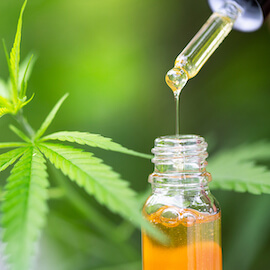
  • 200 mg CBD oil
  • 5 drops peppermint essential oil

Instructions

  1. Combine ingredients in a glass bottle with a dropper.
  2. Before using, place the bottle in a mug of hot water to gently warm the solution. (Do not microwave, as this can destroy some of the beneficial constituents of the oils.)
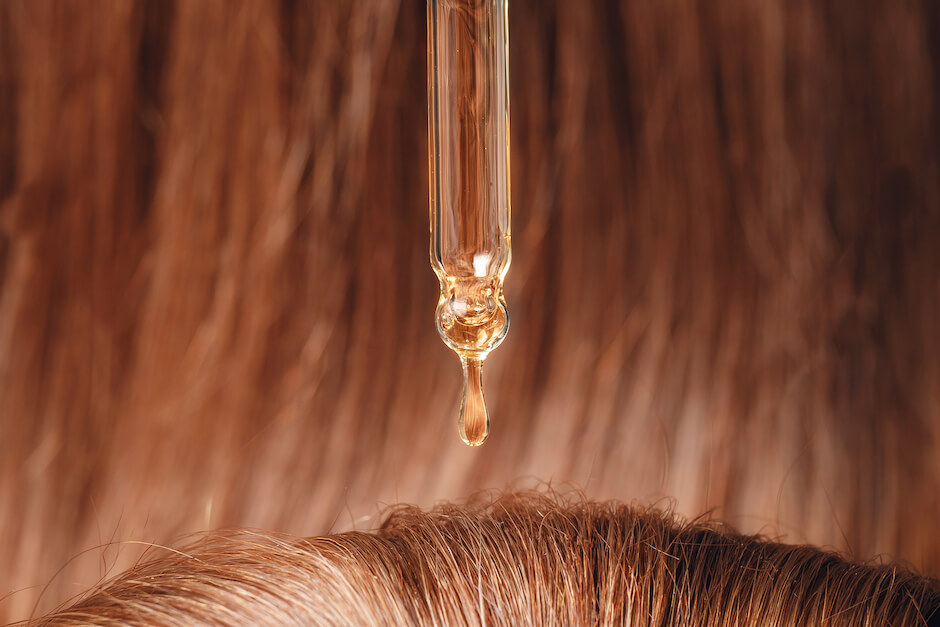
  3. Separate dry hair into sections, and carefully apply the serum to the roots of hair, massaging thoroughly into scalp.
  4. Allow to soak and penetrate for at least an hour or overnight.
  5. Shampoo hair as usual.

Notes: For optimum results, apply the treatment at least once a week, or up to daily as desired. If you have very thick hair, you may need to double the recipe to make enough to cover the entire scalp.


Try another favorite hair-loving recipe. . .my Essential Oil Hair Tonic!