Carrier oils are vegetable oils used to dilute essential oils before applying to the skin in massage and aromatherapy. They are so named because they carry the essential oil onto the skin. When it comes to carrier oils, there are dozens to choose from, each with different benefits. Check out this guide to choosing the best carrier oil for your DIY recipes, roller balls, and other purposes.
Why Use a Carrier Oil?
Carrier oils are useful for many essential oil applications.
- Comfort: Certain oils can feel hot when applied directly to the skin, especially sensitive areas. Using a carrier oil slows down the penetration of the essential oil and reduces discomfort. Dilution with a carrier oil is highly recommended for babies and children as well.
- DIY Projects: If you enjoy making your own personal care products, many recipes include the use of a carrier oil.
- Massage: In massage, carrier oils are necessary to disperse essential oils as well as provide a slick medium for massage techniques.
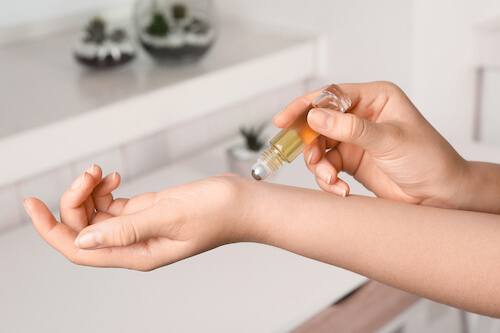
- Roller Ball Blends: Most roller blends contain a carrier oil. While you can create roller blends with pure essential oils, they use a lot of oil. For this reason, most people choose to add a carrier oil to rollers.
- In Capsules: Some people add carrier oils to capsules containing essential oils because it prevents burping the taste and odor of essential oils.
Choosing a Carrier Oil
Selecting a carrier oil depends largely on the purpose. Most carrier oils are derived from the seeds or nuts of plants, and the rate of dispersion will vary based on how light or heavy the carrier oil is. Additionally, some oils can clog pores and may not be desirable for topical applications. Most carrier oils have little aroma, but a few may have a slight odor that affects the finished product. When choosing a carrier oil, it is important to take into account viscosity, lubrication, absorption, and aroma.
When selecting a carrier oil, make sure you are using the highest quality you can afford. You don’t want to compromise the essential oils you use with a cheap additive. Look for organic, cold-pressed, pure, unrefined oil with no additives.
Comedogenic Rating

When choosing a carrier oil for skin preparations, many people look at the comedogenic rating of the oil.
- 0 – Non-comedogenic; will not clog pores.
- 1 – Low: Slight chance that the oil will clog your pores.
- 2 – Moderately low: Will not clog pores for most people, but be careful if you are acne-prone.
- 3 – Moderate: Will cause break-outs for many people.
- 4 – Fairly high: Will cause break-outs for most people.
- 5 – High: High risk of break-outs with this type of oil.
Let’s have a look at some of the most common carrier oils.
Apricot Kernel Oil
Source: Cold-pressed from apricot kernels (seeds)
Benefits: Antioxidant, anti-inflammatory, readily absorbs into skin
Characteristics: Free-flowing, lightweight, non-greasy, liquid oil with rapid absorption
Aroma: Mild, nutty, and sweet
Comedogenic Rating: 2
Uses: Skin preparations, especially under the eyes
Argan Oil
Source: Kernels of argan fruit (Argania spinosa)
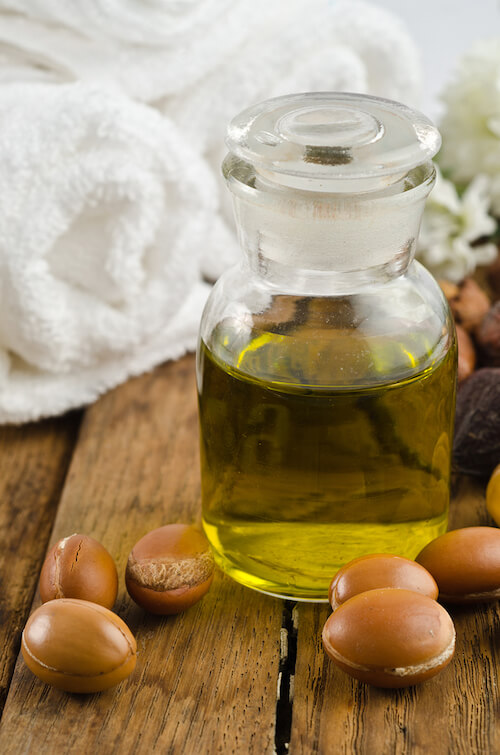
Benefits: Good for dry skin, acne, psoriasis, eczema, wrinkles, joint pain, skin inflammation. May prevent hair loss and dry hair. Regulates sebum production to prevent breakouts. Contains Vitamin E, which helps fade scars and improves the texture of the skin. When ingested, argan oil is a choleretic and hepatoprotective agent that can prevent hypercholesterolemia and atherosclerosis.
Characteristics: Free-flowing, non-greasy, liquid oil with moderate absorption
Aroma: Very mild neutral
Comedogenic Rating: 0
Uses: Excellent in skin preparations, especially for those who are acne-prone; hair applications; internal usage. Check out this helichrysum anti-aging serum with argan oil.
Baobab Seed Oil
Source: Cold-pressed from seeds of the baobab tree (Adansonia digitata)
Benefits: Uniquely, this oil has relatively equal proportions of saturated to monounsaturated fats and polyunsaturated fats. This is important because the smaller fatty acids penetrate hair and skin readily to add moisture and suppleness, while the polyunsaturated fats remain on the surface of the hair/skin, forming a protective layer.
Characteristics: Free-flowing, non-greasy, liquid oil with slow absorption
Aroma: Lightly nutty, almost floral
Comedogenic Rating: 2
Uses: Great for hair and skin. Try this Protective Summer Hair Serum!
Calendula Oil
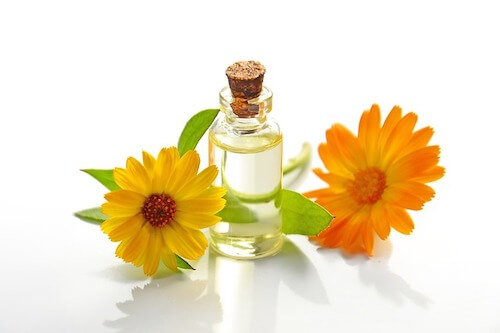
Source: A carrier oil is infused with calendula flowers (Calendula officinalis). The quality of the oil largely depends upon the carrier oil that is used.
Benefits: Antibacterial, antiviral, anti-inflammatory, anti-tumor and antioxidant properties
Characteristics: Depends on carrier oil used
Aroma: Lightly floral
Comedogenic Rating: 1, depending on carrier oil that is used
Uses: Healing and moisturizing to skin. Try a Soothing Relief Roller with calendula oil for sore, tender skin.
Castor Oil
Source: Extracted from castor beans (Ricinus communis) by either mechanical pressing, solvent extraction, or a combination of pressing and extraction.
Benefits: High in essential fatty acids, including ricinoleic acid (RA)
Characteristics: Viscous, greasy, liquid oil with very slow absorption
Aroma: Slightly bitter
Comedogenic Rating: 1
Uses: Lubricant for massage; useful in making soaps. NOT ideal for any internal use, as it can induce vomiting and diarrhea. Because of the aroma, castor oil is not a preferred carrier oil for many aromatic blends.
Cocoa Butter
Source: Extracted from cocoa nibs (Theobroma cocoa) by cold-pressing (preferred) or solvent extraction
Benefits: Moisturizing and conditioning; antioxidant and anti-inflammatory, photoprotective (protects from sun damage), anti-aging; produces a thicker, more heat-resistant final product.
Characteristics: Brittle, hard, solid fat with slow absorption
Aroma: Strongly sweet and chocolatey
Comedogenic Rating: 4
Uses: Skin and hair care products for its moisturizing and conditioning; used in soap making
Coconut Oil
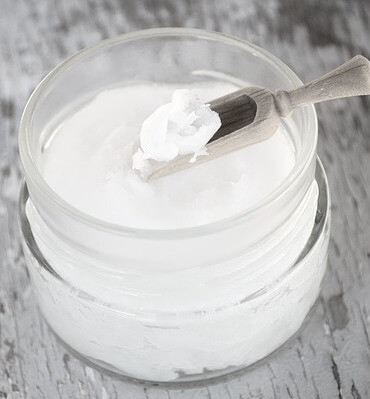
Source: Cold-pressed from the meat of mature coconuts (Cocos Nucifera)
Benefits: Coconut oil is an emollient, which is a moisturizer that helps keep the skin moist and protected by trapping moisture in the skin. It is also antimicrobial, which helps prevent infection and inflammation. Readily available and relatively inexpensive.
Characteristics: Soft, greasy, semi-solid oil with slow absorption
Aroma: Mild, coconuty
Comedogenic Rating: 4
Uses: Great for skin, lip, and hair preparations. Try this homemade Boo Boo Balm.
Coconut Oil (Fractionated)
Source: Fractionated coconut oil is derived from pure coconut oil. Fractionation removes the primary fatty acid, 12-carbon lauric acid (C12), and some other long-chain fatty acids, making this oil liquid at room temperature. Most of the health benefits of coconut oil can be attributed to the lauric acid, so fractionated coconut oil does not retain many of the benefits of coconut oil.
Benefits: Fractionated coconut oil is very slick and makes a great lubricant or massage oil. It is also moisturizing to the skin, though it does not hold in moisture as well as regular coconut oil. Mild, nearly odorless, and relatively inexpensive.
Characteristics: Free-flowing, non-greasy, liquid oil with moderate absorption
Aroma: Mild, coconuty
Comedogenic Rating: 2-3
Uses: Carrier oil in roller balls, use in capsules, topical application of essential oils. Check out this Lavender Lash Serum with fractionated coconut oil.
Grape Seed Oil
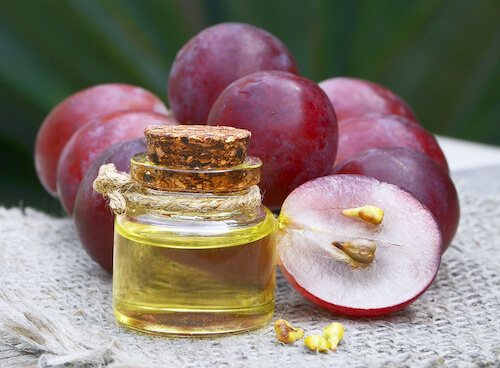
Source: Cold-pressed from seeds of grapes (Vitis vinifera)
Characteristics: Free-flowing, relatively non-greasy, liquid oil with fast absorption
Benefits: Rich in phenolic compounds (such as reservation and carotenoids), fatty acids, and vitamins. Anti-inflammatory, antimicrobial, antioxidant; prevents free-radical damage to skin.
Aroma: Very mild and neutral, almost odorless
Comedogenic Rating: 1
Uses: Skin, hair, and fingernail preparations. Also makes a great lubricant for vaginal use or in massage. Try Roses and Myrrh Cuticle Serum with grapeseed oil.
Hemp Seed Oil
Source: Cold-pressed from hemp seeds (Cannabis sativa)
Benefits: Rich source of polyunsaturated omega-3 and omega-6 fatty acids, as well as α-linolenic acid and omega-6 γ-linolenic acid. These help build healthy cell membranes and also help produce the skin’s natural oil barrier, thus keeping skin hydrated, plumper, and younger looking.
Characteristics: Free-flowing, somewhat sticky, liquid oil with moderate absorption
Aroma: Mild, nutty
Comedogenic Rating: 0
Uses: Great for aging or dry skin, eczema (atopic dermatitis) and for improving hair and nail strength.
Jojoba Oil
Source: Actually a wax ester cold-pressed from seeds of the jojoba bush (Simmondsia chinensis)
Benefits: Strengthens hair and prevents breakage and split ends; may also be helpful in treating dandruff and dry scalp. Forms a barrier to protect skin; antimicrobial, anti-inflammatory, antioxidant; promotes wound healing; prevents skin aging. Has a soft, satiny feel.
Characteristics: Free-flowing, non-greasy, liquid wax with moderate absorption
Aroma: Pleasant soft aroma, almost odorless
Comedogenic Rating: 2
Uses: Mild and usually non-allergenic, jojoba oil is great for all skin applications. Often used for acne-prone skin and soothing to eczema and other skin issues. Use in cleansers and moisturizers, or apply directly to skin. Try jojoba oil in this Smoothing Beard Serum.
Linseed Oil (aka Flaxseed Oil)
Source: Cold-pressed from dried flax seeds (Linum usitatissimum)
Benefits: Rich in the essential fatty acid alpha linolenic acid; anti-inflammatory and antioxidant. Fatty acids balance natural skin oils and reduce inflammation; also forms a protective barrier on the skin’s surface.
Characteristics: Free-flowing, non-greasy, liquid oil with fast absorption
Aroma: Mildly “fishy”
Comedogenic Rating: 4
Uses: Skin applications, but because it can clog pores, linseed oil may be more suitable for hand and body lotions. Because of the odor of linseed oil, many people do not prefer to use it as a carrier oil for essential oil blending.
Olive Oil
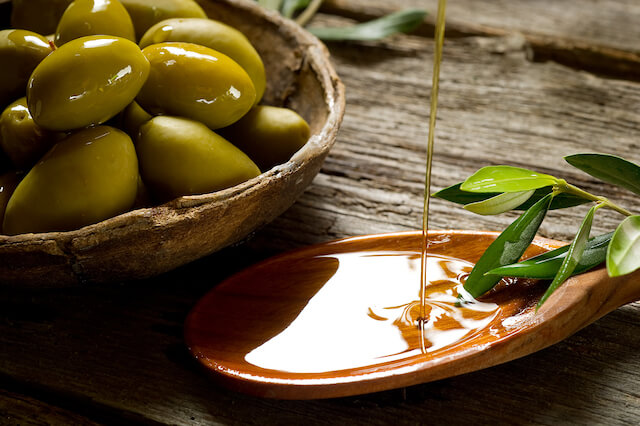
Source: Cold-pressed from ripe olives (Olea europaea)
Benefits: Moisturizing and noursihing properties. Very high in beneficial vitamins and fatty acids. Also high in vitamin E and antioxidants to protect skin and slow the aging process.
Characteristics: Free-flowing, greasy, liquid oil with slow absorption
Aroma: Appealing earthy aroma
Comedogenic Rating: 2
Uses: Skin and hair applications, internal use, dilution for topical use. It has a slight odor, so many people do not prefer olive oil for creating aromatic blends. For the smoothest shave, check out this All-Natural Homemade Shaving Cream recipe with olive oil.
Palm Kernel Oil
Source: Pressed from dried and heated palm kernel nuts (Elaeis guineensis)
Benefits: Rich in vitamin E; contains essential fatty acids for anti-aging and anti-inflammatory benefits. High lauric acid content makes it ideal for producing a rich lather when used in soaps.
Characteristics: Soft, semi-solid, non-greasy oil with very slow absorption
Aroma: Odorless
Comedogenic Rating: 4
Uses: Predominantly used in soap making
Sesame Oil
Source: Expressed from sesame seeds (Sesamum indicum) via expeller pressing, cold-pressing, or solvent extraction
Benefits: Anti-inflammatory, antioxidant, and antibacterial; combats acne, infections and rashes; healing to dry skin; reduces redness.
Characteristics: Slightly viscous liquid oil with moderate absorption
Aroma: Strong nutty aroma
Comedogenic Rating: 3
Uses: Lubricants, internal use, in healing salves
Try this Meet Me Between the Sheets Massage Oil with sesame oil.
Shea Butter
Source: Shea butter is a fat extracted from the nut of the African shea tree (Vitellaria paradoxa). This is done traditionally by extracting the nuts, pounding them to a powder, and finally, boiling the powder to release the fats. Solvent extraction is another less-commonly used method.
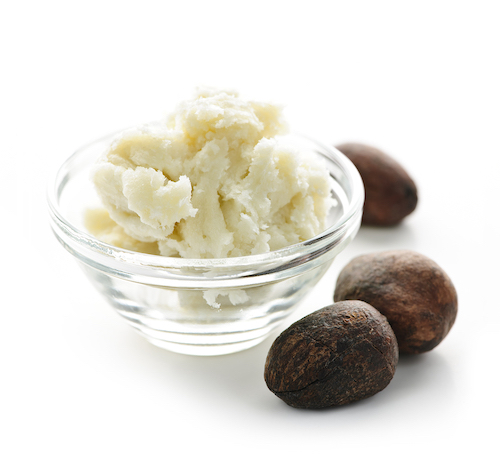
Benefits: Anti-inflammatory, antioxidant, wonderful emollient that repairs the skin barrier, and wound healing.
Characteristics: Medium-soft solid fat with moderate absorption
Aroma: Mild, neutral; almost odorless
Comedogenic Rating: 0-2
Uses: Great in soapmaking and for lotions and moisturizers. Since it is solid at room temperature, it pairs well with other carrier oils when a fluid is desired. Shea butter also makes a nourishing, smooth hand or foot cream. Try it in this Summer-Ready Legs Cream.
Sunflower Oil
Source: Expeller-pressed from raw sunflower seeds (Helianthus annuus)
Benefits: Odorless; enhances skin barrier function; prevents invasive bacterial infections; anti-fungal; healing to atopic dermatitis and dry/scaly skin; anti-wrinkling and anti-aging properties
Characteristics: Free-flowing liquid oil with slow absorption
Aroma: Odorless
Comedogenic Rating: 0-2
Uses: Skin and hair preparations, facial moisturizers, as a carrier oil for internal consumption, all topical applications. Because it is odorless, it blends well with essential oils.
Sweet Almond Oil
Source: Cold-pressed from ripe almonds (Prunus dulcis)
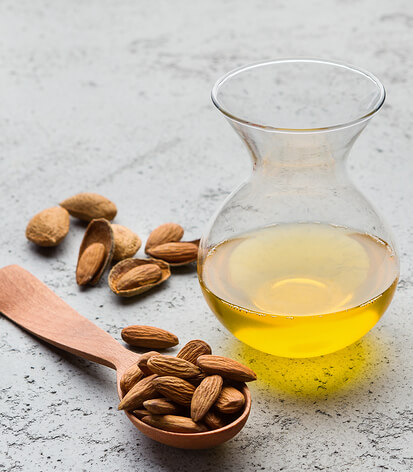
Benefits: Consists mainly of oleic acid, essential fatty acids, plant sterolins, and vitamin A and E, which provide great nutritional value for all skin types. Also antioxidant and emollient rich; soothing; moisturizing; reduces hypertrophic scarring post-operatively; smoothes and rejuvenates skin; improves complexion and skin tone
Characteristics: Free-flowing liquid oil with slow absorption
Aroma: Mild, nutty, and sweet
Comedogenic Rating: 2
Uses: Good for all skin and hair care applications; excellent carrier oil for roller ball recipes, including these Back to School Essential Oil Blends.
Want the Low-Down?
Download this Quick Reference Guide to Carrier Oils!
For more great information about essential oil usage and safety, check out my book, Essentials: Answers to 75 Common Questions About Essential Oils and Supplements.