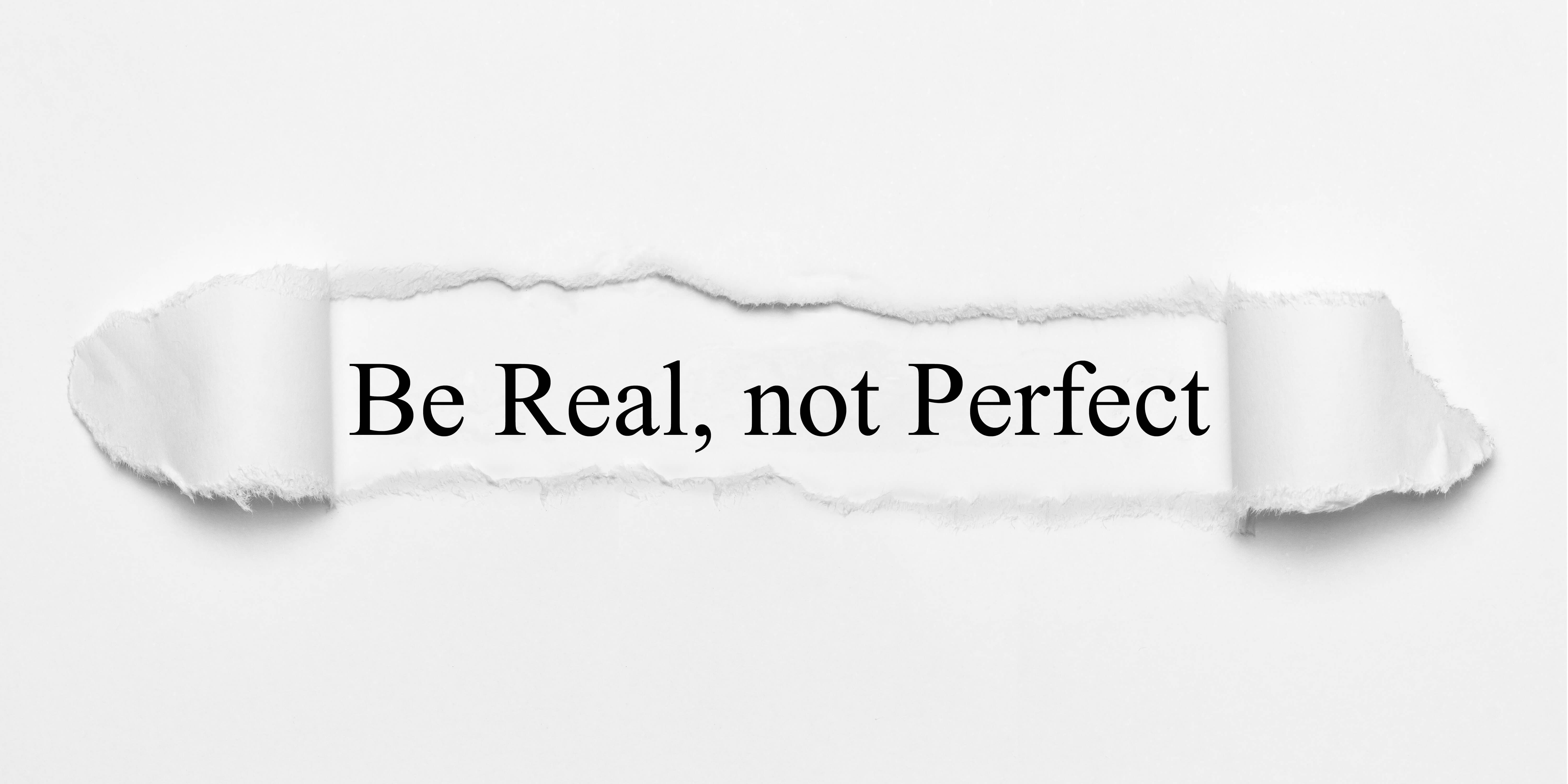
6 Steps for Overcoming Perfectionism and Embracing Who You Are

No one is perfect. We hear it all the time and we know it to be true. Yet, so many people still struggle with being perfectionists. Perfectionism is striving for flawlessness by setting unrealistically high standards for yourself and others. It means having the bar set so high, you will never truly reach it. Before we can begin overcoming perfectionism, we must first understand what it really is.

It’s not just in your head

On a subconscious level, perfectionism is an attempt to avoid all rejection, criticism, and failure. This unrealistic standard of constantly seeking faultlessness may actually be making you sick.

Depression, anxiety disorders, obsessive-compulsive disorder, and eating disorders are all consequences of perfectionism. In severe long-term cases, disastrous outcomes related to psychopathology, including  deliberate self-harm or suicidal thoughts may occur. It can also cause sleep disturbances. Over time, this lack of quality sleep can take its toll on your health.

Perfectionism is a form of fear.

While that may sound a bit extreme, think of it this way. Striving for perfection is the same as being afraid to make a mistake. Or afraid of disappointing someone or that someone won’t approve. Maybe that someone is yourself, but it is still fear.

Some say that fear is the opposite of love. Looking at it this way, we can see that while you are under the yoke of the fear of imperfection, it is impossible to truly love yourself. Perfectionism steals your joy, self confidence, self acceptance, motivation, and passion. 

The Root

I believe that perfectionism is a result of feeling like we have to earn affection. Whether it was from parents, teachers, spouse, even a religion; show me a perfectionist and you can usually see where she thought she had to earn the love and approval of some key person or persons in her life.

No matter the root causes of your perfectionism, know that it is an underlying desire for love and acceptance.  

You can overcome perfectionism

Here are a few steps you can take to help you overcome being a perfectionist. Because everyone has different circumstances, undoing this psychological issue may be more complex for some than it is for others. The key is to remain mindful and intentional, believing that it is possible to overcome perfectionism. Be patient with yourself. Most things worth doing are not easy and require dedication and work.

Step 1: Recognize

Not sure if you are a perfectionist? Answer the  following questions.

  • Do you have an overwhelming fear of failure?
  • Are you often disappointed or embarrassed by your work or performance?
  • Do you frequently miss deadlines because you continually go over your work?
  • Have you heard people say that you have unrealistic expectations?
  • Does your self-confidence depend on your accomplishments or performance?
  • Do you often compare yourself to others in your field?

If you answered yes to one or more of these questions, chances are you are a perfectionist in at least one area of your life. Good news: recognizing perfectionism is the first step to overcoming it.

Step 2: Commit to comparing yourself only to yourself

Constantly comparing yourself to your perception of others is certain to lead to unfulfillment. Social media especially creates a false perception of who people are and what their lives are actually like. We post, tweet and snapchat what we want others to see. This selective look at what people choose to share can present an unreachable standard to which we then compare ourselves. 

Here’s the thing. Measuring yourself against someone else will always leave you coming up short. Because you were not created to be like anyone else but you. Make it a point to catch yourself in the act of feeling envious or jealous of someone else, and strive to love and accept yourself just as you are.

Step 3: Set realistic goals

If your standards are so high that it is nearly impossible to reach them, then it’s time to re-evaluate. Set obtainable goals. Acknowledge baby steps and celebrate small victories. 

Understand that striving to be the best we can be is not the same as perfectionism. Excellence is about lovingly pushing ourselves to become our best. It is about acting, thinking, and creating from the highest part of ourselves. This is much, much different from never being satisfied with the best we can do.

Step 4: Laugh

If at first you don’t succeed, laugh. Yes, that’s right. Laughing at yourself can actually help keep things in perspective. Have a sense of humor about yourself and your actions, especially the embarrassing or disappointing experiences. Laughter can actually bring healing. Plus, it decreases stress hormones and alters endorphin and serotonin activity, thereby reducing stress and depression. 

Step 5: Forgive

Let’s face it. Failure is inevitable. Unless you decide to never try another new thing, you are bound to screw up somewhere along the line. No matter how big or small your screw ups are, it is vitally important to Let. It. Go. Choose to love yourself in spite of your imperfections. Forgive your mistakes and shortcomings. View mistakes as learning opportunities instead of failures. And then move on.

Life is a practice. When we practice, we are bound to make mistakes. Therefore, realize that there is no shame in a mistake; just an opportunity to learn and to grow.

Step 6: Avoid People or Situations that Reinforce Perfectionist Tendencies

Like attracts like. If you are surrounded by other high-achieving perfectionists, it will be extra-challenging to stifle your own tendencies for flawlessness. If your boss is the never satisfied, best-isn’t-good-enough type, you seriously may have to look for another job.

Instead, surround yourself with people who exercise contentment and joy. It is understandable that you will encounter the perfect-types, but being aware of them and intentionally choosing to spend time with easy going positive people will help you cope with those who aren’t.

Work towards self acceptance

Perfectionism is a result of trying to control your outcomes in order to receive the love and acceptance you crave. It’s all about fear. Accept that you are a work in progress and unconditionally embrace who you are. 


Did you know there is a one stop shop for business coaching? Apply to join Brand Strategies Lab.

Self Acceptance: Getting to Know Your Authentic Self and Learning to Love Her

Self acceptance is loving yourself entirely. That is, taking the good with the bad. It is unconditionally embracing who you are. But the words, entirely and unconditionally are where most people get hung up. We can mostly love ourselves with no problem. And loving yourself with conditions, like when you feel successful and great about you, that’s simple. The challenge is to love yourself for who you are, no matter what. Unfortunately, most people struggle with true self acceptance. Read on for some keys to self acceptance.

The difference between self esteem and self acceptance

Many people think self esteem and self acceptance are one and the same. While they do go hand-in-hand in some ways, it is important to understand the difference.

Self Esteem

Self esteem involves having confidence in your own abilities. It refers to how you feel about yourself and your accomplishments. Self esteem tends to change with circumstances. For example, receiving recognition at work, good health and fitness, and a happy marriage contribute to positive self esteem. Conversely, losing your job, being overweight, and a messy divorce negatively impact self esteem.

Self Acceptance

On the other hand, self acceptance is about unconditionally embracing who you are, without qualifications, conditions, or exceptions. It is having an awareness of your strengths and weaknesses and choosing to accept all of it. When we are truly self-accepting, we’re able to embrace all aspects of ourselves as part of who we are. 

Don’t misunderstand. Of course there are parts of yourself that you’d like to change. Self acceptance does not say that you should just learn to love those parts.  Of course, you should work to overcome bad habits or shortcomings in yourself, and loving yourself through the process will likely bring better results and a stronger sense of well-being.

Keys to Self Acceptance

Discover who you are

If you don’t really know who this ‘self’ is that you’re supposed to accept, then how can you actually do it? The first step is acknowledging that you simply don’t know much about yourself. You may have difficulty answering specific questions about who you are or what you really want out of life.

Happiness expert Robert Holden put it this way: “Self-acceptance is an invitation to stop trying to change yourself into the person you wish to be, long enough to find out who you really are.

Getting to know who you are and becoming friends with her is a move in the right direction. This includes the part of you that is more than just your name, your story, and your failures and successes. Begin to see yourself as more than just the sum of your experiences. Strive to see past how you perceive other people see you, your profession, or your social status.

Stop Beating Yourself Up

People with low self acceptance are often perfectionists. Sadly, constantly seeking perfection in everything is a recipe for failure. A perfectionist will beat herself up for every misstep. She doesn’t hold others to these strict, no-failure high standards, yet she harshly criticizes herself for each perceived failure or underachievement. Give a girl a break! No one can live up to the expectations that we often set for ourselves.

Practice Positive Self Talk

The messages that go through your mind every day have a direct impact on your self image. Constantly worrying about what others would say or listening to a cacophony of negative self-talk throughout the day will leave you feeling dejected and worthless.

It’s important to take every thought captive. Stop the litany of self-deprecation and make a conscious effort to stop putting yourself down. Instead, strive to compliment yourself on successes, no matter how small. You may even want to make a list of 5 things you did well or are proud of each day. As you gradually move towards the goal of eliminating negative self-talk, your self acceptance, energy level, and well being will increase.

Stop Comparing

No matter the task or skill, there is always going to be someone better than you. In some cases, comparing yourself to another person may actually push you become better, and that is fine. But more often, the comparison game leaves us feeling jealous and insecure. Once again, instead of focusing on what you are not, focus on the positives.

Intentional Quiet Time

The only way to truly get to know someone is by spending time with them. There is no difference for learning to know your true self. Mindfulness and awareness practices give us the time and space to learn ourselves on an intimate level. A study about the relationship between mindfulness and self acceptance revealed a direct correlation between the two.

Spending time in meditation trains you to quiet the voices in your head and helps you to connect with the spiritual part of yourself. As you become more insightful and reflective through meditation, your awareness of unwholesome self-judgments will increase so that you can take steps to consciously make changes.

As you start to learn more about your authentic self, you will gradually move towards accepting her and loving her, imperfections and all. And truly loving her and accepting her leads to contentment.

What helps you to love and accept yourself? Comment below.

Looking for a meditation to help you slow down and become more mindful? Check out this post about Yoga Nidra.

Learning the Art of Saying No will also help you in your journey of being true to your authentic self.


Saying No: How to Stop Being a People Pleaser and Be True to Yourself

No. Such a simple little word. In fact, it is one of the ten most common first words spoken by babies, while ‘yes’ isn’t even in the top 20. And yet, many of us turn into adults with an absolute fear or inability to say no. So why do we struggle with saying ‘no’? Let’s look at the root of this problem and the art of saying no.

Are you overwhelmed?

Are you constantly so busy that you don’t have time to do the things you love? Do you feel guilty during moments of rest, like you should always make productive use of your time? Do you miss having fun with family or friends? Are you compelled to do things that you really don’t want to do because it pleases someone else?

Too much to do, too many commitments, and too little time. This is a recipe for utter dissatisfaction and overwhelm. A person who is so stressed by an overwhelmed schedule usually lives with the struggle of an underwhelmed soul. And the single biggest reason for this is your inability to say no.

The inner dialogue

Life is not meant to be a rat race. If you are so busy trying to meet the needs of other people, you will miss out on the important things that you should say yes to because your schedule is full of things to which you should have said no. 

We have limited time each day. The more you fill it with fruitless activities that do not contribute to your primary goals and desires, the less fulfilled you will become.

While you should be saying yes to things that align with your life goals and values, how do you end up in the trap of saying yes to so many things that don’t?

Here are some reasons you may think you say yes:

  • Being flattered someone asked for your help or expertise
  • Thinking no one else is able to do the job as well as you, or even that no one else would be willing
  • Wanting people to like you
  • Being afraid of hurting someone’s feelings or letting people down
  • Being afraid of missing out on something

But actually, none of these reasons are the real reason you can’t say no. Let’s get to the root.

Why we say yes: The need to please

People who struggle with saying no are people pleasers. Their focus is to be liked. They are typically nice, agreeable people who shy away from conflict and strive to, well, please others.

Seeking Acceptance

Behind every people pleaser is someone who is looking for acceptance. It is hard for this person to say no because they genuinely fear that people will reject, dislike, or think badly of them for not being more agreeable. 

Seeking Approval

People pleasers seek the approval of others. The fear of disappointing someone somehow diminishes their self value.

Insecurity

This is what it all boils down to, folks. Not really knowing who you are or feeling like you have to perform in some way to get approval and acceptance is the root of being a pleaser. So, how do you overcome and learn to say no?

Stop Being so Nice

We are taught as children to be nice. The Merriam Webster definition of ‘nice’ includes: pleasing and agreeable. Now let’s look at the definition of ‘kind’: polite, considerate, caring. Maybe we should stop being so nice and just be kind.

Kindness is being considerate for others’ feelings and desires, but not necessarily sacrificing our own in the process. We can love people and treat them with kindness without always having to go along with every idea or accept every assignment. Loving someone does not mean you have to please them at all times.

The problem is, many people equate being nice with being a good person. This is simply not true. On the contrary, allowing others to take advantage of you to the point that you are stressed, overburdened, and resentful does not add up to being a good person. Carefully evaluating opportunities and making a commitment only when it aligns with your values and you can give it 100%. . .that’s the making of a good person.

Let’s evaluate those reasons for saying yes

Being flattered someone asked for your help or expertise

It feels great when your skills, talents, or hard work are noticed by others. Naturally, the recognition is gratifying and it makes us want to say yes. But when you get right down to it, this is really about building up your own ego. Remember, you want to use your abilities for things that align with your core values and goals. Just because you have the skill set and you can do a good job, doesn’t mean you should.

Thinking no one else is able to do the job as well as you, or even that no one else would be willing

Here we are looking at our own ego again. Once you understand that there is always someone else who can do the job, you will feel less pressured to do it. If no one is willing to step up, realize and accept that that isn’t your problem either.

Wanting people to like you

Do you really want people to like you based on your willingness to please? The kind of person who’s friendship or approval depends on your performance or ability to help them isn’t someone you should strive to align yourself with. Ask yourself if that person would come through for you in a time of need.

Being afraid of hurting someone’s feelings or letting people down

Admittedly, you may actually hurt someone’s feelings when you say no. Especially if it is someone who is accustomed to you always saying yes. But it’s more important to stay true to yourself. What about not letting yourself down?

Being afraid of missing out on something

This one gets even the most discerning people. You know you don’t have the time, but it’s a worthy cause, so you acquiesce. Or you squeeze it in because it will be a great experience or because you like the people with whom you’d be working. Unfortunately, once again, wanting to be a part of something doesn’t mean that you should.

Stop putting yourself last

In the words of Jim Rohn, entrepreneur and motivational speaker, “If you don’t design your own life plan, chances are you’ll fall into someone else’s plan. And guess what they have planned for you? Not much.”

Working to please other people only leaves you depleted and often resentful. Making your desires, your goals, and your time a priority will lead you down the path of contentment.

Know what you want

Determine what matters to you and set your goals accordingly. Then limit yourself to making commitments that fall only within those parameters. There may be several facets to your goals: family, career, volunteering, etc. It is important not to get carried away. Keep your goals realistic. And then make a commitment to yourself to uphold those standards.

The Art of Saying No

So you are ready to make a commitment to saying no. But how is that done? If you are a pleaser, it may be really hard and it won’t always feel good at first. With practice, you will get better and better at voicing that one-syllable word.

Here are a few tips for saying no gracefully:

Don’t answer immediately

This is important. When you are presented with an idea or asked to help, never answer immediately. Even if the asker tries to pressure you. If they need an immediate answer, you can reply with something like, “I’m understand you need to know right now. I don’t take my commitments lightly, so I need some time to consider. If that isn’t okay then I will have to decline.”

Here’s another example. You are asked to help with something. You say, “I really appreciate you asking me. Let me have a day (or two, three, etc.) to think it over and make sure that I can give it my all. I’ll get back to you soon.” That wasn’t so hard, was it?

Be Assertive

After you’ve thought it over, be prepared to stick to your guns. People who want your help are often masters of manipulation, especially those who are used to you saying yes all the time. Go into the conversation with readiness to stand your ground and be bold.

When you’ve said no, the asker may try to manipulate you to change your mind. They’ll use tactics to make you feel as though they can’t do it without you. Simply say, “It sounds like you really need help. I hope you find someone who can commit. Right now it wouldn’t be fair to either of us for me to take this on.”

Don’t apologize

If you aren’t sorry, don’t say you are. When you apologize, it says that you feel guilty and opens the door for manipulators to attack. Instead of “I’m sorry, I can’t commit to that right now”, try, “Unfortunately, I can’t commit to that right now.”

Keep it Short 

You may not have an excuse for why you can’t commit to an activity. So don’t feel compelled to make one up. The simpler your answer, the less room for argument, manipulation, or other methods of getting you to buckle.

Simply say, “unfortunately I can’t commit to that right now”. Or “I’m not able to help at this time”. You can show appreciation and validation with something like, “I really appreciate you thinking of me for this task. Unfortunately it isn’t something I can take on right now.” With any one of these statements, you never have to actually utter the word “no”, yet, you’ve artfully and respectfully declined to help.

Celebrate Success But Don’t Fret Failure

You did it! You finally said no to something you know you would’ve begrudgingly said yes to in the past. It may have made you sweat and squirm just a little, but you did it. Celebrate how empowered you feel. Relish in your freedom from the yoke of someone else’s expectations.

On the other hand, maybe you buckled. You wanted to say no, but you fell into old patterns. Or you just couldn’t take the pressure of the manipulator. It’s okay. Just review your resolve and move on. There’ll undoubtedly be lots of opportunities for you to practice saying no in the future.

Make a Decision

So now you can decide. Continue being manipulated and controlled by others’ plans for you, or take action steps to living your passions and desires? One thing is for sure, you do have to decide. Because not making a choice is actually a choice in and of itself. It is a decision to stay the same.

What are your strategies for avoiding manipulation and saying no? Comment below and share what has helped you.


Ready to practice saying no? Try this Liquid Courage Roll On for boldness!

For even more empowered choice strategies and advice, come !

Herbs for Type 1 Diabetes: Do they help?

Type 1 diabetes is a difficult to control autoimmune metabolic disease with long-term adverse cardiovascular effects. Almost all people with type 1 diabetes will depend on insulin for life. Other non-insulin, anti-diabetic medicines such as metformin, sulfonyureas, and thiazolindinediones are optional add-on therapies. However the benefits are minimal, if any. On the other hand, some people turn to natural solutions to control blood sugar. It is controversial, but studies show that there are herbs that may help control type 1 diabetes. Let’s talk through a few of these herbs.

Cinnamon Bark

Cinnamon bark shows promise for its effects on blood sugars. Animal studies indicate that the anti-diabetic effect of cinnamon relates to the increased movement of the GLUT-4 receptor in muscle and fat tissue. Another mechanism is the increased activity of uncoupling protein-1. More research indicates that cinnamon has an insulin-like effect.

However, a Cochrane database review did not show any benefit of adding cinnamon to anti-diabetic routines. But people use cinnamon because small studies of type 1 diabetics conclude that blood sugar spikes following glucose tolerance test is lower with the addition of cinnamon and cassia. Healthy men have also noted these blood sugar stabilizing effects. Data is much stronger in people with type 2 diabetes which leads some people with type 1 diabetes to try cinnamon. Cinnamon has also been shown to improve insulin sensitivity.

In conclusion, it appears that the major role of cinnamon is to prevent blood sugar spikes. Therefore it makes sense to use it around the time of meals.

Aloe Vera

Aloe vera leaf pulp, but not aloe vera gel extract, has demonstrated an anti-diabetic effect in both people with type 1 and type 2 diabetes. Another review article concluded that aloe vera not only lowers blood sugar in people with diabetes, but also reduces blood lipid levels. A meta analysis noted reductions in A1C and fasting blood sugar. The type of diabetes was not disclosed in the two latter studies. 

People with diabetes regularly use aloe vera leaf pulp and, even without a ton of data, report being happy with their symptom control and report that they will continue to use aloe.

Ginger

Animal studies show that ginger can decrease fasting blood sugar, as well as cholesterol, triglycerides, and blood pressure in animals with type 1 diabetes. This is due to the effects on enzymes that break down blood sugars. Ginger has positive impact on the metabolism of carbohydrates which, in turn, contributes to the blood sugar lowering effects.

Fenugreek

In a relatively short time, fenugreek lowers fasting blood sugar, cholesterol, LDL, and VLDL in patients with type 1 diabetes. Adding 100g of fenugreek seed powder to lunch and dinner for 10 days was enough to show the effect.

The anti-diabetic action may be attributed to the inhibition of carbohydrate digestion and absorption, as well as enhanced insulin action.

Conclusions about Herbs for Type 1 Diabetes

It is unlikely that there will ever be a botanical substitute for insulin. Because of this, it is important that people newly diagnosed with type 1 diabetes seek appropriate care and start on insulin.

I advocate trials of herbal supplements for type 1 diabetes, but it is likely that the disease will require insulin for life. If you use herbs, it is critically important that you are able to monitor blood sugar and are aware of the signs and symptoms of low and high blood sugar.

Discuss herbal supplements with your physician. If your blood sugar increases or decreases, consult with your practitioner and follow any dosage adjustments.


Do you use herbs for type 1 diabetes? Why or why not? Comment below and let me know your thoughts. 

Did you know that there is a one stop shop for health and wellness education? It guides you to make empowered choices on complicated matters like this one. Get started by joining

Shop for cinnamon, ginger, fenugreek, and aloe vera juice.