Winter Blues? Maybe it is Seasonal Affective Disorder

When the seasons change, it can bring about changes in mood and behavior that may not be expected. Long winter nights can bring more sadness and loneliness. Especially for people who suffer from dramatic mood changes during the change of seasons. Could your bad mood be due to seasonal affective disorder? How do you know if you are at risk? If you get the winter blues, how can you best relieve symptoms naturally?

Winter months mean that the mood can change rapidly. Stay on top of seasonal affective disorder before you get sad.

What is seasonal affective disorder, and who is likely to get it?

Seasonal Affective Disorder (SAD) is a form of depression that is linked to the changing of seasons. It usually starts in fall and winter and resolves in the spring and summer, though the opposite has been noted as well. Known risk factors for SAD include family history, female gender, concurrent diagnosis of depression or bipolar disorder, or people who live very far from the equator.

A recent study, United States of Stress, shows that 45% of people say stress is something that worsens their symptoms. Stress or anxiety can make people more susceptible to SAD. Don’t let stress get to you. Consider interventions known to reduce stress such as yoga, meditation, painting, or journaling.

Daylight is short in the winter. Try an indoor lamp to boost mood and Vitamin D levels.

Are people with certain personalities more likely to get SAD?

People who tend to cope with problems in life with bad habits such as overeating, binge-watching TV, or sleeping too long are also more prone to SAD. Neurotic people, or people that have “glass half empty” personalities and gravitate toward self-doubt, anxiety, depression, and shyness are also more prone to SAD.

Don’t suffer in silence. Talk to a friend or family member.

What is the best way to prevent and treat SAD during the long winter months?

SAD is triggered by a couple of biological changes that we can affect easily with intervention.

Daylight is short in the winter, and this causes happy neurotransmitters to fall. We are also less likely to exercise when it is cold outside, and this also decreases mood boosting chemicals. Try a light lamp in the winter, get normal exercise, or maybe just work out beside the window.

Less light also means that there is less Vitamin D in your system. Take a daily Vitamin D supplement to help boost your mood. Counseling and antidepressant medicines can also help. Simple things that you can do daily include a brief meditation, writing a gratitude journal, or monitoring your mood and energy.

Still feeling down?

Come try this meditation to reduce stress. Or check out this class on emotions and essential oils.

Data Analysis: How To Evaluate Scientific Studies to Empower Your Health Decisions

Clinical trial data can be more challenging to evaluate than blog content. However, there is a general framework that will help you decide if a clinical trial is worth your concern. Effective clinical trial data analysis involves examining sources of bias, statistical manipulation of outcomes, and source of funding for trials.

When evaluating clinical trials, there are several scoring rubrics that can be used to assess quality of the trial. The Consolidated Standards of Reporting Trials (CONSORT) guidelines evaluate measures of quality most extensively. Below is a modified list of the CONSORT guidelines that you can use to assess a trial.

Before I Get to That

This type of study evaluation doesn’t apply to all studies, only to clinical trials that compares two or more groups. Case reports, case series, retrospective trials, and population studies don’t have the same study design, and therefore cannot be subject to the same evaluations. 

Okay, Now Back to My Modified CONSORT Guidelines

Here are three tips for assessing the quality of a clinical trial.

1. Was the trial randomized?

Clinical trials need to be randomized. This means that the investigator does not have the option to allocate study participants to one group or another. Let’s say that you have a trial that compares symptoms of insomnia in two different groups. The first group diffuses lavender essential oil at bedtime, and the second group diffuses carrier oil.

If a person walks in and signs up to be in the trial, the person must be randomly assigned to one group or the other. It would be unethical for the investigator to, say, interview the person, find out that they have difficulty sleeping and then assign them to the carrier oil group. This lack of randomization makes it more likely that they lavender essential oil will look beneficial. Not good study design. So, in clinical trials, look for randomization. 

2. Were the treatments blinded?

Blinding is when the person in the study doesn’t know which treatment that they are getting. Double blinding is when the study participant and study investigator both do not know what treatment the study participant is receiving, and this is considered the gold standard in clinical trials.

If a study is not blinded, then it is easy for the participant or the investigator to introduce bias. For example, if a participant knows that he is receiving carrier oil in our insomnia study, he may conclude that the treatment didn’t help. If a researcher knows that a participant is receiving lavender, she may ask intentionally leading questions to demonstrate that the intervention works.

So, mums the word when it comes to clinical trials. Check for blinding. 

3. Were the analyses pre-specified?

Before starting a study, it is important that the investigators determine what endpoints they want to measure, how they will measure them, how the measures will be analyzed. It is not ethical to change endpoints and study measures in the middle of a trial, and it is important to know what you are looking for before you begin.

It is even better when you have the right outcomes. Here’s the thing: we have a lot of information out that some food can raise cholesterol, or that some supplement increases C-reactive protein. But did you die?

The difference between these measures is that the first is a surrogate endpoint and the latter is a clinical outcome that matters. Huh? Okay—do you really care if your C-reactive protein goes up? Not really. Some of you probably don’t even know what a C-reactive protein is. But do you care if you have a heart attack or a stroke. Oh, heck yeah. Surrogate endpoints measure clinical data that may or may not necessarily change the clinical endpoint. So look for trials that have clinical endpoints like death, heart attack, stroke, or dementia.

Clear as Mud, so Now What?

When all else fails, after you’ve read one conflicting study after another, the important thing is your choice. Only you can make the decision that is best for you.

You know what is best for your health and wellness, even if you don’t think you do. Sometimes decisions are agonizing, and there seems to be no right solution to a problem. This is 100% correct, there is no right choice. There is no wrong choice.

There is only your choice.

So do your research, weigh your options, assess the pros and cons, follow your intuition, and decide. 


Looking for more ways to be empowered to take control of your personal wellness? Come check out !

Natural Remedies for Migraines: Know Your Triggers

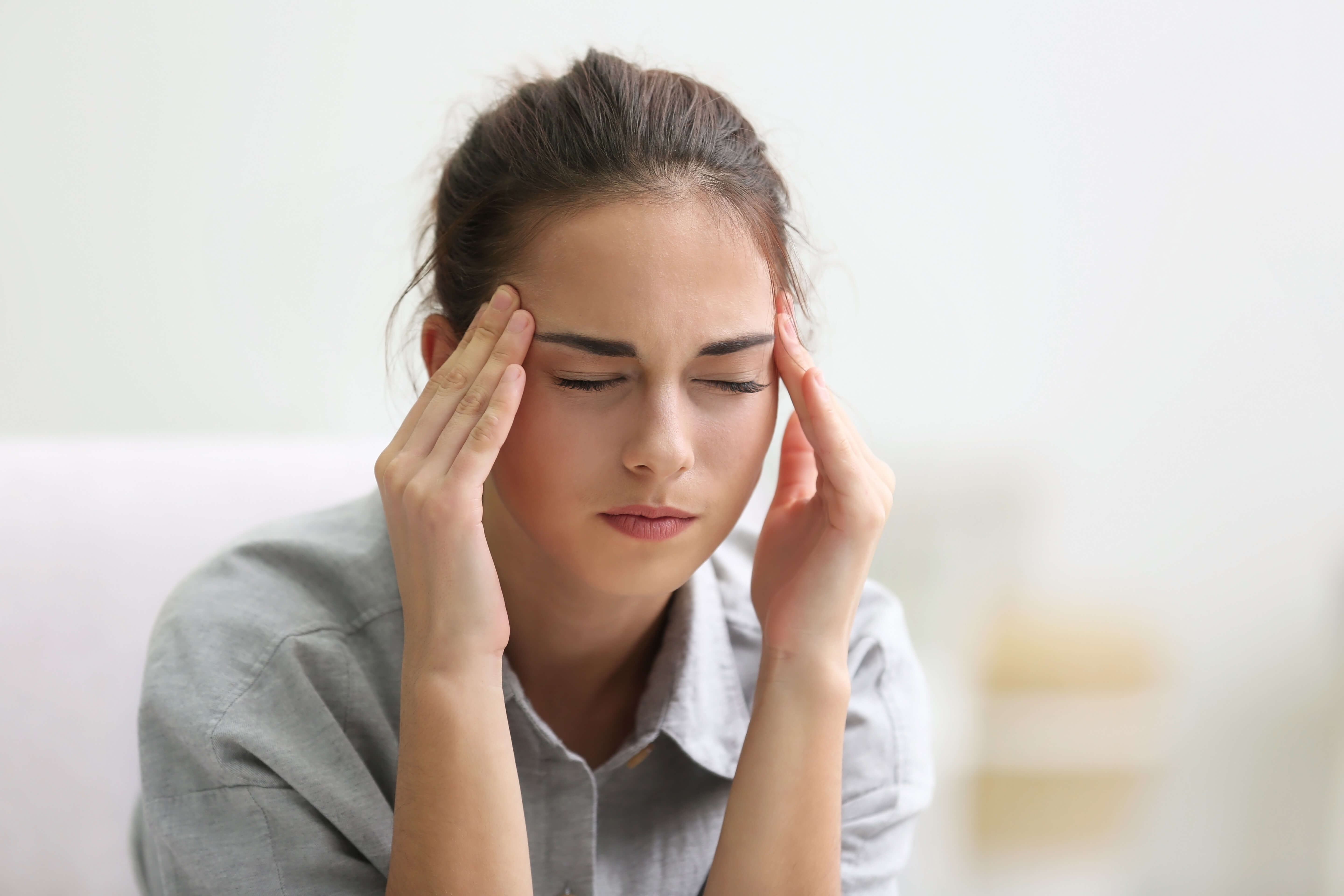
The tiny spots, glimmering lines, or flashing lights, the dizziness and disorientation. . . these discomforts may indicate the onset of a migraine. Migraine sufferers who experience an accompanying visual aura know these warning signals well.

After a brief period of anywhere from 3 to 15 minutes, the painful headache begins. Usually slowly at first, and then it hits. For some, this means the only respite is a dark, quiet room.

It’s Not a Headache

Anyone who has suffered a migraine can tell you it is vastly different from a headache. Besides the aura that many people experience, migraines cause severe throbbing or pulsing pain, often on just one side of the head.

In addition to the painful headache, common accompanying symptoms include nausea, vomiting, and extreme sensitivity to light and sound. Chronic migraine suffers report impaired cognitive function and may even have an increased risk of stroke and cardiovascular disease.

Regardless of the trigger, there is evidence that all types of migraines cause oxidative stress and increase our susceptibility to secondary infection and related health issues.

Causes of Migraines

Migraines are actually a neurological disorder caused by overactive nerve cells that send out signals and activate the trigeminal nerve, which is responsible for sensations of your head and face. Activation of this nerve causes release of certain chemicals, like serotonin and calcitonin gene-related peptide (CGRP). CGRP causes neurogenic inflammation, which only exacerbates the pain. 

The question of what causes the activation of the trigeminal nerve is not that simple. There are many triggers as well as genetic and lifestyle factors that contribute to the predisposition and occurrence of migraines. In order to be effective, the treatment must address the trigger rather than the symptoms.

Migraine Triggers

The Trigger: Stress

Stress is likely the most common cause of migraines, although the scientific data varies in this assertion. Studies do indicate an increased occurrence of migraines in patients who report a stressful lifestyle.

The Solution: Manage the stress, manage the migraines.

If you are particularly plagued with stress-induced migraines, be intentional about taking some time to relax and find ways to reduce stress.

The Trigger: Irregular sleep schedule

Sleep disturbances predispose individuals to migraine attacks, which may affect the pain-processing trigeminovascular system and thus play a role in migraine progression.

The Solution: Establish and maintain regular sleep cycles.

Ensure that you are getting regular, quality sleep. This can be difficult especially during times of travel. Prioritizing rest time will help combat migraine attacks. There is also a direct correlation between sleep and stress. Read more about it here.

The Trigger: Hormone imbalance

Irregular hormones are a prevalent cause of migraines, especially in women. Particularly, recent data support the historical view of an elevated risk of migraine with significant drops in estrogen levels. Many women experience migraines at different times during their menstrual cycle, following childbirth, during menopause, or at other times of significant hormone shifts.

The Solution: Balance hormones.

Naturally balancing hormones requires patience. Because our bodies all respond differently to natural remedies, trial and error is sometimes the best way to figure out a regimen that works for you. It is worth it though, not only does regulating hormones help alleviate migraines, it also contributes to overall health and emotional well being.

The Trigger: Weather

Excessive heat, drastic changes in weather, and especially low barometric pressure can trigger migraines. 

The Solution: Well. . .we can’t control the weather.

Unfortunately, if you are sensitive to these weather patterns, there is not a sure fire way to treat them. Staying indoors during storms and times of low pressure, taking a nap, and employing some of the techniques below may be your best bet.

The Trigger: Dietary sensitivities

Some ingredients that cause migraines include: monosodium glutamate (MSG) and other preservatives, chocolate, dairy products, artificial sweeteners, caffeine, cured meats, food colorings and additives, gluten, and alcohol (especially red wine). 

The Solution: Avoid trigger foods.

Migraine sufferers who are uncertain if diet plays a role may benefit from an elimination diet. Discontinue consuming culprit foods until migraines desist, and reintroduce one food at a time.

The Trigger: Dehydration

Though the scientific research for dehydration-induced migraines is lacking, some people do report dehydration as a trigger.

The Solution: Stay hydrated.

Especially during exercise, hot weather, or when experiencing an illness, staying hydrated will help ward off a dehydration migraine.

The Trigger: Sensory stimuli

For some people, flashing lights, such as strobe lights, can trigger migraines. Loud noise and strong odors, especially artificial fragrances, can also be causative.

The Solution: Avoidance.

As with weather triggers, the best advice is to avoid places with strong odors, loud noises, or flashing lights if these trigger migraines for you.

The Trigger: Medications

The most common medications that trigger migraines are hormone-regulating medicines, including birth control pills and those used for hormone replacement therapy. There is a small amount of evidence that suggests nitroglycerin, used to treat some types of heart disease, may also be a culprit.

The Solution: Talk to your provider.

If you believe that a medication is causing your migraines, talk to your physician about reducing or eliminating the medication in favor of an alternative.

When all else fails

Sometimes, despite your best efforts to eliminate or avoid triggers, you may still end up with a migraine. Here are some natural remedies for migraines you can try.

Home Remedies for Migraines

Regulating blood flow to your noggin may help shut down migraine pain. Applying an ice pack to the crown of the head often brings immediate relief. 

Caffeine is a vasoconstrictor, and some people report that it helps reduce migraine pain. For others, caffeine can trigger a migraine. A word of caution: caffeine may not be the best remedy if you are sensitive to it and it interrupts your sleep.

Some people claim that acupressure brings relief from migraines. However studies are conflicting and reveal that while acupressure may relieve nausea associated with migraines, it is unlikely to alleviate or prevent the migraine itself. The pressure point to relieve nausea is on the PC6 acupoint, which is three fingers up from the base of the wrist on the inside of the arm. The acupoint for the head is LI4, which is in the space between the base of the left thumb and the index finger. Applying firm pressure to one or both of these points for at least 5 minutes may help alleviate symptoms.

Herbal Supplements

Menthol, found in peppermint, is a vasodilator and can help regulate healthy blood flow to the brain. Try drinking peppermint tea or applying peppermint essential oil to the forehead to support healthy blood flow and bring cooling relief.

Feverfew and ginger are two herbs that have promise for the treatment of migraines. Most subjects report best results when these herbs were taken immediately at the onset of an aura or other symptoms during the beginning stage of a migraine. Ginger also helps relieve nausea associated with a migraine.

In a study of 133 sufferers, magnesium was an effective therapy for migraine headaches. 

Healthy Release

Yoga employs breathing techniques, meditation, and body postures to promote health and well-being. Research shows yoga may relieve the frequency, severity, and duration of migraines.

Some people who suffer migraines report that sex alleviates symptoms. The reason for this is unclear, although it may be associated with endorphins that are released during sex.

The research continues 

For many people, migraines remain a mystery and the triggers are unknown. Much research is still being done to learn the causes and treatments for migraines. In the meantime, if none of the other remedies work, sometimes the best remedy is to go into a dark, quiet room and sleep it off.

What helps you ward off or get rid of a migraine?


Another thing that provides migraine relief is Shiatsu massage. Check out this post for all of the benefits this massage technique provides!

Looking for more natural wellness tips as well as guidance to help you make empowered decisions? Come check out Wellness Made Simple!

Moisturizing Winter Salve

Baby, it’s cold outside. The cold winter months can wreak havoc on skin. If you have sore, stressed skin, try this ultra – moisturizing winter salve to soothe hands, feet, elbows, or other stubborn dry areas.

About the Ingredients

Olive oil contains antioxidants to slow and possibly reverse the signs of aging. Plus, the fatty acids in the oil help to protect the skin’s natural moisture barrier.

Coconut oil is rich in antioxidant phenols and contains medium chain triglycerides (MCTs). These compounds protect, reduce inflammation, and increase collagen production. This helps to increase elasticity of skin. Additionally, coconut oil is antibacterial and protects skin from infection.

Beeswax helps prevent transepidermal water loss. It also acts as an emollient to soften skin, while encouraging healthy skin regeneration and can even help reduce the appearance of scars. 

Vitamin E is has antioxidants that protect against sun damage. It also promotes healing of the skin.

Here’s the Recipe

Ingredients

1/4 cup olive oil

3 tablespoons coconut oil

2 tablespoons beeswax pellets

1/2 teaspoon vitamin E oil

1/8 teaspoon vanilla extract

8 drops Northern lights black spruce essential oil

4 drops frankincense essential oil

4 drops lavender essential oil

Instructions

  1. Combine olive oil, coconut oil, the beeswax, and vitamin E oil in a glass jar.
  2. Create a double boiler by pouring a few inches of water in a small saucepan, and carefully set the jar of ingredients in the water.
  3. Next, gently heat the pan over medium-low heat.
  4. Once the mixture is completely melted, remove from heat. Add essential oils and vanilla and gently swirl to incorporate.
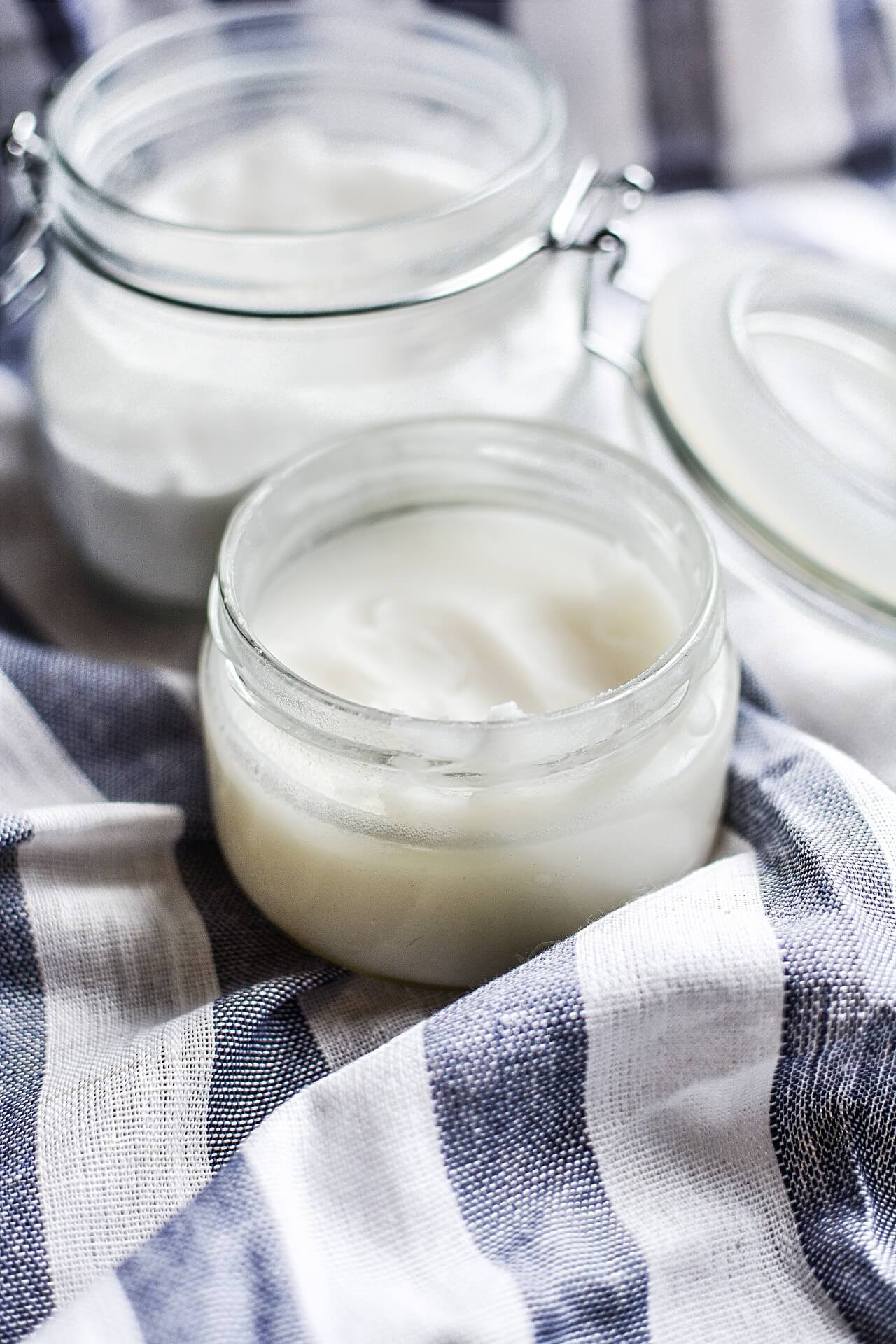
  5. Finally, pour into a small jar. Allow to cool completely and solidify before using.

To Use

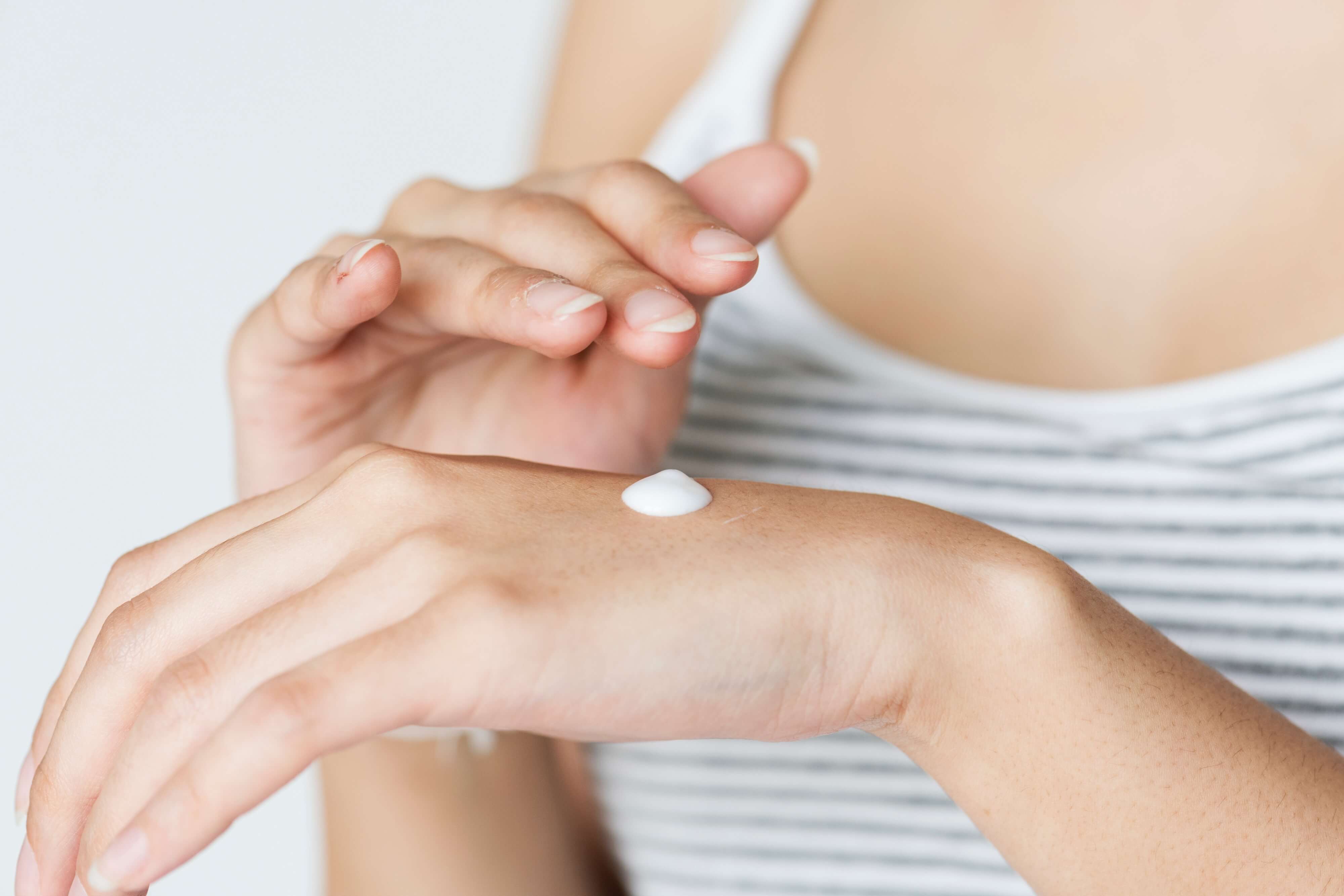
A little bit goes a long way! Use a small amount of salve on dry skin. Try applying to dry hands before bedtime. For extremely dry skin, you can apply a thick layer on hands and cover with cotton gloves. Or apply to feet and cover with socks. Wake up in the morning with smooth, moisturized hands and feet!


Looking for even more great DIYs for winter? Try this Sugar Lip Scrub for soft, luscious lips!

If you love DIYs, essential oils, and all things natural wellness, come check out , your essential oil and health and wellness encyclopedia.