DIY Lymphatic Tune Up

The lymphatic system is an important part of the immune system, comprised of a large network of lymphatic vessels that carry lymph, a fluid containing infection-fighting white blood cells, throughout the body. This network of tissues and organs helps rid the body of toxins, waste and other unwanted materials. Some health conditions can cause lymph fluid to build up or become blocked. Let’s talk through a few ways to tune up the movement and function of the lymphatic system.

How the Lymph System Works

Unlike the circulatory system, which operates in a circular, cyclic motion powered by the pumping of the heart, the lymphatic system is linear and does not have a “pump” to keep it moving. Lymph fluid drains into lymphatic capillary vessels and collecting lymphatics, which are embedded with multiple lymph nodes. From the lymph nodes, it eventually returns to the blood circulation through the thoracic or lymphatic ducts. 

This is mostly an uphill, against gravity, process that is accomplished without any dedicated internal mechanism pushing it in that direction. Because lymph relies on muscle contractions to keep it moving, it can get sluggish and backed up at times. When this happens, it can’t effectively relieve the body of some of its toxic load. This can cause digestive issues and fluid accumulation throughout the body.

Signs of Sluggish or Blocked Lymph

Some signs that the lymphatic system is sluggish and not effectively removing toxins from the body include:

  • Edema or puffiness of body parts, especially the eyes, face, hands, ankles, and feet
  • Fatigue
  • Swollen or tender glands
  • Bloating
  • Frequent headaches
  • Sinus infections
  • Soreness or stiffness upon waking
  • Constipation
  • Breast swelling or tenderness
  • Brain fog
  • Worsened allergies
  • Food sensitivities
  • Increased colds or flu

Need a Lymphatic Tune Up?

There are several things you can do to encourage good lymphatic flow in the body.

Get Moving

Because the lymph system relies on skeletal muscle contractions to move lymph throughout the body, exercise is a great way to keep things flowing. Especially if you sit for a large portion of the day, take frequent breaks to get up and move around. Additionally, people who are overweight are more likely to have impaired lymphatic function.

Rebounding, or jumping, is a great way to encourage lymphatic flow. Consider a balance ball chair at your desk, or just get up and do a few jumping jacks periodically.

Limit Toxic Load

The more toxins you take into your body, the more work you create for your lymph system. Limit your toxins by removing chemical cleaners and personal care products from your routines. Eat a clean diet and limit your intake of inflammatory foods, like sugar, processed foods, and red meat. Also drink plenty of clean, pure water throughout the day, every day.

Avoid Tight-Fitting Clothing

Lymph vessels sit directly beneath the skin surface, and can easily become compressed. Avoid wearing constrictive clothing for extended periods of time. Women especially should make sure their bras fit properly and not too tightly. Go braless as much as possible, and never sleep with a bra on.

Lymphatic Massage

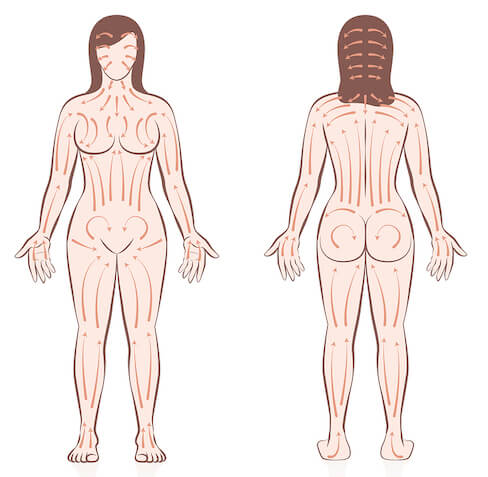
Lymphatic massage can help release blockages in the lymph system, thereby improving the overall function of the immune system. This gentle massage technique encourages the movement of lymph fluid in the body. You can find a professional lymphatic massage therapist, or you can try it yourself.
  1. First create a massage blend: Combine 1/2 cup fractionated coconut oil (or other carrier oil), 10 drops fragonia essential oil, 10 drops cypress essential oil, 6 drops frankincense essential oil, and 5 drops grapefruit essential oil.
  2. It is best to massage after a bath or shower when the skin is warm.
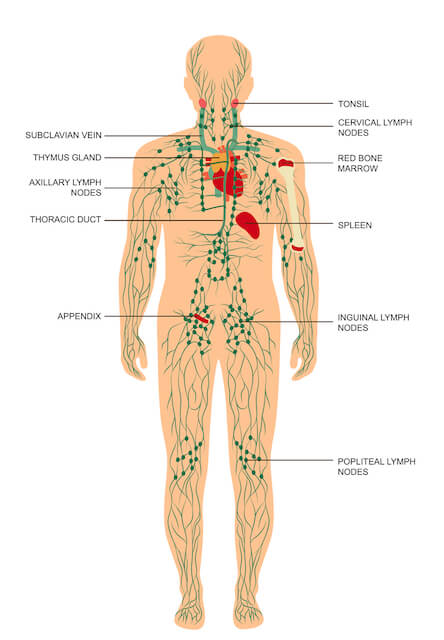
  3. Locate lymph nodes on the body in the diagram to the right. Gently massage the oil blend into the areas in a circular motion for at least 10 seconds.
  4. If you notice any tender areas or lumps, continue massaging to encourage release. Never press too hard as to cause pain.
  5. Be sure to drink plenty of water following the massage.

Dry Brushing

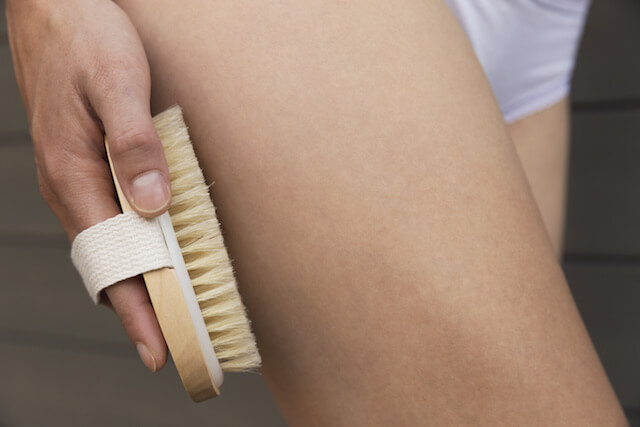
This technique is similar to lymphatic massage, except a natural dry brush is used to stimulate circulation through the skin.

  1. Purchase a natural bristle brush.
  2. Remove all clothing and jewelry, and stand in a bathtub or over a towel.
  3. Start brushing at your feet with long, sweeping motions towards your heart. Gradually move up your legs, to your torso, arms, neck, and face. Brush several times in each area, overlapping as you go.
  4. Be careful around more sensitive areas, and adjust your pressure to comfort.
  5. After brushing your entire body, take a hot shower to further encourage circulation and remove loosened dead skin.
  6. For best results, dry brush your body every day or at least 3 times a week. Be sure to clean your brush with soap and water weekly.
What are your tips for encouraging lymphatic movement? Comment and share your strategies for lymphatic tune up!

Come check out this post on How the Body Detoxifies.


For more great natural health and wellness tips, come , your Essential Oil Encyclopedia!

Inflammation: Learn the signs, health risks, and solutions

We hear so much about inflammation in the body being the culprit for so many health issues. There are all kinds of diets and supplements that claim to reduce inflammation. But what exactly does it all mean? What is the cause of inflammation, and why does this natural process of the body wreak havoc? Here we will discuss the signs and symptoms of mild to chronic inflammation and how it affects sleep in a vicious cycle.

What is inflammation?

Inflammation is any condition where a part of the body becomes red, swollen, hot and sometimes painful. Inflammation can happen as a response to injury or infection. One of the most simple forms of inflammation is cutting your finger or burning your hand. Inflammation is critical to the body’s immune response because it helps the body to fend off infection and repair damaged tissue. 

But there are more subtle types of inflammation where the immune system releases small amounts of inflammatory molecules inside the body in an attempt to ward off disease and protect against illness. 

If the inflammatory process goes on for too long, it can become problematic.

Common Symptoms of Inflammation

As a Result of Injury:

  • Redness
  • Swelling (edema)
  • Heat
  • Pain
  • Loss of function

Internal or Systemic Inflammation:

  • Fatigue
  • Chest pain
  • Fever
  • Abdominal pain
  • Joint pain / loss of mobility
  • Rash

Cardiovascular Effects

In the cardiovascular system, low grade inflammation increases the risk of type 2 diabetes, non-alcoholic fatty liver disease, cardiovascular disease, and obesity. This is because fatty tissue increases with immune cell infiltration (particularly tumor necrosis factor) and interleukins, and this alters insulin function and lipid metabolism.

You may experience high blood sugars, pee way too much, or feel dehydrated despite drinking water. 

Autoimmune Disease

Emerging evidence suggests that low grade inflammation alters gut microbiota, and this can lead to full blown inflammatory conditions, such as celiac disease, inflammatory bowel disease, and rheumatoid arthritis.

Some signs of poor gut health include constipation, diarrhea, stomach upset, bloating, or foul smelling stool.

Neurological Issues

Low grade inflammation can also cause induce inflammation of the tissues of the nervous system, or neuroinflammation. This can lead to fever, fatigue, anhedonia, depression, and cognitive impairment.

Inflammation and Sleep: a vicious cycle

Scientists first discovered the link between sleep and inflammation back in the 1970s. Early studies first demonstrated that inflammatory mediators like interleukins, tumor necrosis factor, and cytokines, interact with the central nervous system. These cytokines increase our sleepiness, and they serve as a defense mechanism during acute illness. 

Chronic inflammatory diseases, especially those with pain, may lead to insomnia. And insomnia may worsen inflammation. For example, in one study, people with asthma and arthritis were twice as likely to struggle to sleep as people without these inflammatory conditions. Additionally, the Arthritis Foundation states that up to 70% of people with osteoarthritis struggle to fall asleep and stay asleep. 

The worst part about insomnia when you already have an inflammatory disease is that insomnia makes you disposed to even more inflammation. So the underlying disease gets worse, and then the insomnia gets worse, perpetuating a vicious cycle. 

As if that weren’t bad enough, autoimmune diseases also increase the occurrence of insomnia. For example, overactive thyroid (hypothyroidism) is characterized by insomnia. The pain of rheumatoid arthritis causes insomnia in more than 80% of people with disease. 60% of people with lupus or myasthenia gravis report sleep disturbances, and 20% report daytime sleepiness. 

The detrimental effects of sleep deprivation

When we are sleep deprived, the body produces a defense against illness by increasing white blood cells and inflammatory cells, like interleukins, cytokines, and C-reactive protein. The increase in inflammatory mediators leads to more inflammation throughout the body. So even if you don’t have disease to begin with, lack of sleep can create the ideal environment for disease. 

Reducing Inflammation

The good news is that inflammation is completely reversible. Many lifestyle changes can help reduce or eliminate most inflammation in the body:

  • Diet: Eat a diet rich in fruits, vegetables, and whole grains. Limit sugars, processed foods, and meats. Learn more about the Health Benefits of a Plant-Based Diet.
  • Exercise: Just 20-30 minutes of moderate exercise per day can help reduce chronic inflammation.
  • Manage stress: Chronic stress influences sleep and immune system function. Consider a yoga class or daily meditation to reduce stress. Check out this post for more information about how stress affects immune function.
  • Lose weight: Obesity also contributes to both sleep quality and bodily inflammation.

Interested in learning a simple technique for relieving stress? Check out this post about Yoga Nidra for Stress.


The Duality of Gemini: What this season means for you

Gemini, the sign represented by twins, runs May 21 – June 20. People born under this sign are notorious for changing their minds as quickly as they change their mood. The two personalities sometimes keep you guessing because you never know for certain which side of a gemini you will face. These traits sometimes make them come across as hyper and restless, but there’s more to a gemini than meets the eye. What does this season mean for gemini and the rest of us?

Personality

Always up for fun and adventure, you will usually find a gemini surrounded by friends. But sometimes the other twin shows up with introspective, serious contemplation. A gemini is not shy to express his or her feelings or opinions on a matter, but they also take prerogative to change their minds as frequently as they want. They are strong communicators who excel at art, writing, and team sports. Because gemini seek out excitement, spontaneity, playfulness, and variety, they are often slow to settle down. But once they find the right person, be it a partner or friend, they are fiercely faithful and committed to the relationship.

Geminis are often dreamers with big ideas. They are seekers of knowledge and usually love reading. They resist conformity and challenge the rules. Gemini dislike the mundane and find it difficult to be still. As such, they excel at multitasking, problem solving, and bringing new ideas to life. Life is never boring with a gemini.

Let Loose and Allow Your Inner Gemini to Come Out and Play

As the sun transits Gemini, we’re all thrust into a period of energy and motion. If you feel discombobulated, scattered, or generally all-over-the-place, this could be the reason why. Gemini is a time of highs and lows, and sometimes this brings drama and contradiction into our lives as well. This is not the time to make important decisions, but rather to gather information and understanding.

This season also activates our curious nature and our desire to talk and live and communicate. Gemini season begs you to be flexible, often much more flexible than you’re prepared to be. Go with the flow and allow your creative side to flourish. Give in to the urge to be more spontaneous and fun. Explore your hidden wild side.

The Throat Chakra

The throat chakra governs our ability to communicate, so it’s no surprise that this is the strongest chakra for geminis. This chakra is about expressing yourself: Your truth, purpose in life, and creativity. Another function of the throat chakra is to connect you to your spirit. Because of its location, it’s often the “bottleneck” of the movement of energy in the body. Opening the throat chakra can help align your vision with reality and release pressure that may affect the heart chakra located just below.

An overactive throat chakra can make a person talk too much or share their opinion too much. Gossiping, lying, and the inability to keep secrets are common when the throat chakra is too abundant. On the other hand, when the throat chakra is low, extreme shyness or inability to speak out prevail. Balancing this chakra promotes effective, appropriate communicate and reminds you when it’s time to listen.

Crystals and Stones

Stones that support the throat chakra are well-suited during the gemini season. Additionally, stones that bring mental clarity and focus can help reign in some of the erratic gemini energy.

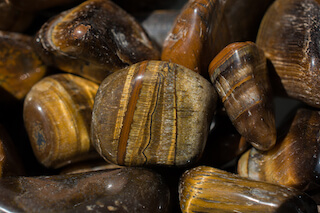
  • Tiger’s Eye
  • Citrine
  • Apatite
  • Green Tourmaline
  • Aquamarine
  • Chrysoprase
  • Serpentine

Essential Oils

Essential oils that relax and tame erratic energy are great during this season to help you feel more grounded. Gemini are prone to respiratory illness, so oils that support the respiratory system are also beneficial.

  • Bergamot
  • Eucalyptus
  • Basil
  • Grapefruit
  • Ginger
  • Neroli

Gemini Essential Oil Blend

This is a great blend to mix up and wear topically while chasing down your next adventure. Or try it in a diffuser or even a car diffuser.

6 drops ginger

6 drops bergamot*

5 drops grapefruit*

4 drops basil

Tiger’s eye crystals, optional

Combine all essential oils in an empty bottle, and add crystals if desired. Use as needed topically or in a diffuser.

*Note that bergamot and grapefruit are both phototoxic. Do not apply this blend topically before going into the sun. For more information on phototoxicity, check out this post.


Want to learn more? Check out this post about Chakras and Essential Oils.

Essential Oil DIYs for Kids

Kids love using and learning about essential oils. They especially enjoy choosing their oils and even creating their own blends. These essential oil DIY for kids will get your kids involved with learning the basics of essential oil blending.

Blending Essential Oils Made Simple

With a bit of knowledge, you and your kids can be on your way to making customized blends. But before you just begin mixing away, understanding a few simple techniques can ensure you don’t end up wasting your oils. One of the simplest methods of essential oil blending is mixing by scent group. Even kids can understand this method.

Oils can be classified in the following groups:

  1. Woody: cedarwood, cypress, eucalyptus, fir, juniper, patchouli, pine, sandalwood, spikenard, spruce, valerian, vetiver
  2. Herbaceous: angelica, basil, carrot, citronella, clary sage, helichrysum, hyssop, lavender, marjoram, niaouli, oregano, peppermint, rosemary, sage, savory, spearmint, tea tree, thyme, yarrow
  3. Citrus: bergamot, grapefruit, lemon, lemon balm, lemongrass, lime, mandarin, orange
  4. Floral: chamomile, geranium, jasmine, lavender, neroli, palmarosa, rose, ylang ylang
  5. Resinous: frankincense, myrrh, onycha
  6. Spicy: caraway, cardamom, celery, cassia, cinnamon, clove, coriander, cumin, dill, elemi, fennel, ginger, myrtle

To create a blend, you can select 2-3 oils from the same group or choose one from two neighboring groups to blend. The main idea is to keep a good balance. Instead of three woody oils and one floral oil, for example, choose one woody, one citrus, and one floral for a better balance. For younger kids, you can separate the oils into groups. Challenge older children to see if they can discern the aromas of each scent group.

For a lot more detail about this blending method, check out Creating Perfect DIYs with Essential Oils.

Once kids have created their blend, be sure to put it in a roller labeled with the name they choose. I love the Potions Kit from Whimsy & Wellness. It comes with small roller bottles, pretty gemstones, and even mica powder to make their creations extra special.

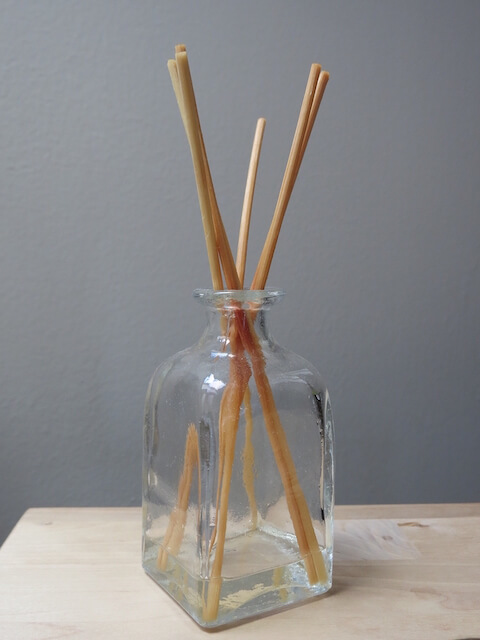
Make a Reed Diffuser

Reed diffusers are a great way to add fragrance to a small area. The best thing is they are super simple to make, and they make nice gifts as well.

It’s as simple as repurposing a glass jar, bottle or even a small mason jar, adding reed diffuser sticks, and attaching a pretty ribbon. Kids may want to paint or embellish the container with other decorative items as well.

Once your container is ready, simply add water and a few drops of essential oil. About two drops of oil per 1/4 cup of water will do the trick.

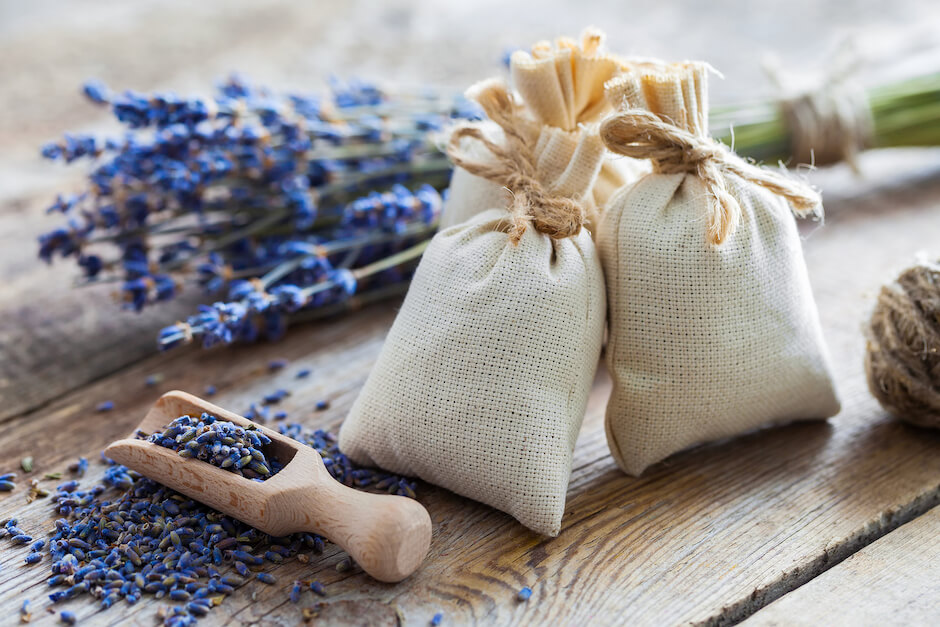
Make a Lavender Sachet

These Lavender Sachets are super quick and simple to make. Kids will love making them for gifts or to stash in a drawer or even under a pillow to enjoy the relaxing aroma of lavender.

Create a Colorful Car Diffuser

Busy moms and kids spend so much time in the car. What could be better than a colorful decoration that doubles as an evaporative diffuser?

What you need

Instructions

  1. Thread the needle with a long strand of thread, at least 24 inches.
  2. Carefully pierce the needle through wool balls until several are on the thread.
  3. Tie ends together to form a circle.
  4. Attach twine or a ribbon, add essential oils, and hang from the rearview mirror of your car.

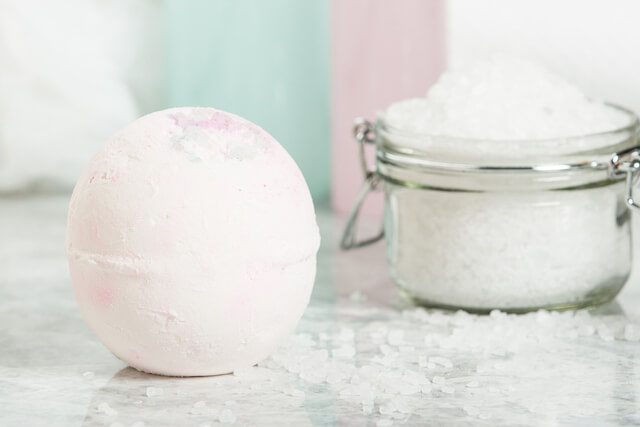
Make Bath Time Fun

Help your kids create their very own essential oil-infused fizzing bath bombs to make bath time more fun.

What you’ll need

Instructions

  1. Combine baking soda, citric acid, corn starch, and epsom salt in a large bowl.
  2. Add melted coconut or almond oil and essential oil. Mix until well combined.
  3. Lightly spray witch hazel a few times until you can gather the mix in your fist and it holds its shape. Avoid spraying too much or your mix will start fizzing. You only need enough to slightly dampen the mixture.
  4. Press the mix into your molds and allow them to set for at least three hours before removing.

Mix Up Some Play Dough

I posted this Essential Oil Play Dough a few weeks ago, and people have been going crazy for it! Children love helping mix the ingredients and selecting the essential oils for their dough. Every child loves to play with play dough, and this one is infused with essential oils for an aromatherapy experience!


After you’re done making DIY projects with the kids, why not wind down with a Coconut Lime Bath Soak for yourself?

Have a favorite essential oil DIY for kids? Comment and share below!