
Why I Hate New Year, New You

In some ways, the beginning of a new year offers a clean slate. Many people set goals, make resolutions, and begin new habits in January. To some extent, I take advantage of this time to set goals for the coming year and reflect on the passing year. I’m all for striving to better yourself and achieve more year after year. But what I don’t get is people who think of the new year as a completely fresh start. I don’t like the idea of starting over or remaking yourself. Here are some reasons why I don’t agree with “New Year, New You”.

Actually, we can never really start completely over.

Every life experience, good or bad, makes you who you are. While we sometimes wish we could erase some things from our past, it simply can’t be done. There is no undo button on life. And the sad thing is, when we try to shove those unpleasant experiences, memories, or bad decisions to the back corner of ourselves, we end up suffering even more consequences. Stuffing emotions is never a healthy choice. 

Understanding that even the worst experiences are part of who we are helps us to learn how to grow from them. Struggles and strife make us stronger, more resilient, and more wise. If it weren’t for the setbacks I have experienced, I know I wouldn’t be the woman I am today. This process of refining is an unavoidable, necessary part of life. If we wish for starting over, we reject those experiences and fail to learn that which we need to learn. 

I like you just the way you are.

I believe that we are all created according to a specific plan and purpose. Each person has a unique set of gifts and talents. Instead of focusing so much attention on that which we would like to change or “fix” about ourselves, how about examining our strengths and working to enhance them? 

The point is, you are special just the way you are. Whatever it is that makes you tick is different from anyone else and it is beautiful in and of itself. Don’t try to change it. People who are constantly seeking to remake themselves lack confidence and direction. It is a futile pursuit that leads to self-rejection and disappointment anyway. Let’s not do that.

Be you, only better.

So focus on the positives. That sounds so simple. In fact, it is just that simple. This new year, take some time to discover who you really are. What are your strengths? What are you passionate about? Is there an activity or cause gets you so fired up that you forget to eat? Those are the things you should hone in on. Look for ways to improve those desires and convictions. How can you channel this passion to give back to the universe and make the world a better place?

Now don’t get me wrong. Some things about ourselves we just have to work on. I hate dealing with taxes. But it’s an essential part of my business, so I trudge away at learning all the lingo and laws. It is a means to an end. It is part of my mission. Not all of what you do will be the fun part, or the fruit. You have to pull the weeds too. Hard work is just that. . .hard. Once again, that hard stuff is working to make you stronger.

Happy New Year, you.

So set those goals and use the new year as a time to reflect and dream. Just be sure to stay true to you in the process. Trust that authentic inner self to guide your decisions and choices and move forward with intention.

You do you. Everyone else is taken.

What are your big dreams and goals for 2019? Comment and share with the community so we can support one another!

Need help discovering your authentic self? Check out this post about Self Acceptance.


Looking for more empowering education? Come on and for all things health and wellness, including how to love yourself just as you are.

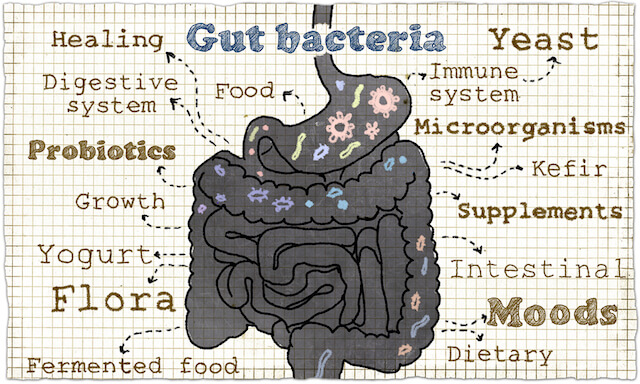
Health Benefits of Probiotics

The health benefits of probiotics are nothing new to science and medicine. The use of fermented foods for nutritional and therapeutic purposes dates back thousands of years. Although knowledge of beneficial microorganisms developed within the last century, people have enjoyed the benefits of these friendly flora for much longer.

The word probiotic comes from pro and biota, meaning “for life”. Indeed, probiotics are most definitely pro-life organisms. These bacteria support nearly every body system and promote health and wellness. 

Digestive System Support

Perhaps one of the greatest benefits of probiotic supplementation is protection of the gut. In the gut, probiotics assist in the maintenance of normal mucosal homeostasis. They also protect mucosa from injurious factors such as toxins, allergens and pathogens.

The beneficial effect of probiotics is mediated by multiple mechanisms, including cytoprotection, cell proliferation, cell migration, resistance to apoptosis, synthesis of proteins, and gene expression. One of the important cytoprotective effects of probiotics is to strengthen the epithelial tight junctions and preserve mucosal barrier function. Thus, they not only repair damage, they protect the GI tract from pathogens and other intruders that damage the digestive system. To read more about tight junctions and how they operate in your digestive system, check out this post.

Probiotics are possibly best known for their ability to ease and alleviate many digestive complaints. These include:

Respiratory System Support

Probiotics have potential to reduce the duration of illnesses and prevent respiratory infections. Additionally, studies show that active probiotics can ease symptoms and prevent infections related to asthma.

Urinary Health

Probiotics have promise for maintaining urogenital health. Antibiotics, birth control pills, spermicide, and other factors can throw this system out of balance. Probiotics restore the balance of microflora and may be helpful for common urogenital problems such as bacterial vaginosis, yeast infection, and urinary tract infection.

Cardiac Support

Recent studies investigate how the gut microbiota influence blood pressure. The fermentation of fibre by the gut microbiota causes a release of short-chain fatty acids, such as acetate and propionate. There is a relationship between these fatty acids and lower blood-pressure levels in experimental models of hypertension. Fermented foods and other sources of probiotics also show promise for the reduction of cholesterol.

Maintaining Healthy Body Weight

One study demonstrated a beneficial weight loss response with the use of a Lactobacillus rhamnosus probiotic. However, a similar study using a different species of Lactobacillus showed the opposite. Subjects in this study actually gained weight when taking Lactobacillus acidophilus. Certainly more research is needed, and individuals may respond differently.

Cognitive and Mental Health

Numerous studies about the gut-brain connection point to the importance of a healthy intestinal microflora. Serotonin is a key neurotransmitter in this relationship. Maintaining good gut health actually influences central nervous system neurotransmission. In turn, this can help with depression, stress, anxiety, and serotonin-related health problems in the elderly.

One study showed many promising benefits with the use of probiotic supplements over an 8-week period. These include decreased depression and reduced levels of C-reactive protein (a marker of inflammation) and hormones such as insulin.

Eczema Relief

In addition to decreasing inflammation in the GI tract, probiotics may also alleviate external inflammation as well. Infants who manifested atopic eczema showed marked improvement with probiotic treatment.

Immune System Support

Probiotics may also enhance innate immunity and modulate pathogen-induced inflammation in the body. The mechanisms involve the ability of probiotics to increase cytokine production as well as a direct action on pathogenic bacterium.

Sources of Probiotics

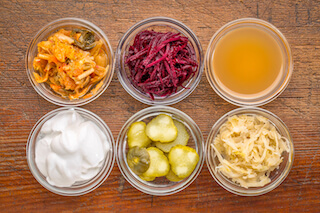
Live probiotic cultures are found in fermented dairy products such as yogurt and milk drinks. Fermented foods like pickled vegetables, tempeh, miso, kefir, kimchi, sauerkraut, kombucha, and soy products also contain some beneficial bacteria. Many people enjoy these products as a means of encouraging a healthy microbiota. However, probiotic supplements may provide additional support.

What to Look for in a Probiotic

Probiotic supplements provide several strains of bacteria. The most common types are Bifidobacteria and Lactobacillus. Another less common genus, Streptococcus, also has benefits, particularly in the reduction of oxidative stress.

Because different strains have unique benefits to the body, it is best to find a supplement that offers a blend of multiple strains. While it is unclear whether the synergistic interactions between strains contributes to increased efficacy, it is evident that probiotic mixtures are more effective than single strain supplements.

As with other health supplements, it is important to research and determine the best product for you. Although drug interactions with probiotics are rare and the risks are minimal, if you are unsure, you may choose to consult your physician or pharmacist before starting a new supplement. 


Looking for more health and wellness education? Come on and , your essential oil and health and wellness encyclopedia!

Do You Know Where You are Headed? 5 Reasons to Set Tangible Goals

The new year is upon us. For many people, the beginning of a new year represents a clean slate. A fresh start full of possibility and potential. If you are like me, you look ahead to the new year and start planning. I have my goals for the new year laid out because it gives me motivation and drive. Goals help me to move forward with purpose and intention. There are so many reasons to set tangible goals, so let’s have a look at just a few of them.

Keep it Real, People

Let’s be clear. The key word for goal setting is “tangible”. If you set ambiguous goals, it really just sets you up for disappointment and can even sabotage your best efforts. So rather than setting a goal of a new car, go ahead and pick out that car. Look at paint colors and find the one that excites you the most. Choose your features and decide which bells and whistles you really want. Then envision yourself driving that car, smell the interior, feel the seat, imagine that it is yours. Maybe even print out a picture of the car and hang it where you can see it every day. Then write out the steps it will take to reach the goal. Maybe a certain amount of money you need to set aside each month, or how many new clients you need to obtain in a given amount of time.

The point is, the goal must be tangible. It needs to be broken into steps that are reasonably obtainable and realistic. Lofty goals are fine, as long as you can envision the steps to bring them into reality.

Tangible Goals Reveal Our Truest Desires

Let’s talk about the act of sitting down and writing out your goals. Imagine a blank page before you. Much like the clean slate that a new year represents, this blank page is ready to be filled with possibility. You are in the driver’s seat. You get to plan and choose and decide what you really want. You may already know exactly what you are striving for and just need to write out the steps. Or you may look ahead to the coming year and you aren’t really sure where you are headed. That’s okay.

Take some time with this. Spend some time asking yourself some pointed questions. “What do I really want?” “Where do I see myself at the end of the year? In 3 years?” Meditate on those questions. Dig deep inside yourself to find the answers. And don’t shy away from what you find. The answers to these question reveal your values, your character, and your deepest dreams and desires. Now, go for it.

Tangible Goals Give Focus

The Bible says, “Where there is no vision, the people perish.” (Proverbs 29:18). I have seen this time and time again. People want to achieve more, to move up in their jobs, to experience personal growth, etc. But they don’t establish a vision and set tangible goals to that end. And they stay stuck in the same dead-end job, continue to be unhealthy or overweight, dissatisfied, and, well, stuck.

When you have clear, compelling goals, your focus is naturally mobilized toward actionable behavior.

Goal setting motivates you to take steps to make your dreams and desires a reality. For example, if you have a goal to rank up in your company with no action steps, it is unlikely that you will get very far. On the other hand, if you set a goal of signing up a certain number of people or teaching a reasonable number of classes per month, you will be driven to take steps that will help you reach the desired outcome.

Tangible Goals Give You a Way to Measure Progress

Progress is addicting. Seriously. When we achieve a goal, it causes a release of dopamine in our brains. This release consequently increases desire or motivation towards the reward. So you see, every bit of progress increases our desire and pushes us to achieve more. A bit of success motivates us to keep on keeping on. What’s more, setting tangible goals gives benchmarks by which we can measure our progress and see the possibility of the end goal. Setting goals = motivation.

Tangible Goals Help You Overcome Procrastination

Most people are motivated by goals. When we set our focus on a passionate desire, direction and self-accountability naturally follow. In this way, setting goals helps us to overcome procrastination. If there are concrete steps or intentions planned out, we instinctively know that if we shirk those responsibilities, we let ourselves down.

Think of it as a healthy way of manipulating your frontal lobe. This portion of your brain is in charge of organization, decision making, and problem solving. Give the frontal lobe a task and a deadline, and it seeks to complete the task. It lights the fire beneath those dreams and comes up with the necessary steps to bring them to reality.

Tangible Goals Build Character

Setting goals is a way of being intentional about making an effort to work towards self-improvement. This self-accountability not only reinforces the desires of your heart, it also gives you a means of working towards improving and strengthening different areas of your life. The mere act of setting goals and evaluating what you really want is beneficial to developing a healthy mindset of personal growth. And the pursuit of goals builds self-efficacy. It strengthens your self confidence as you see yourself as a person who can achieve goals.

How about you? Do you have any great tips about setting goals? Comment and share them with the community!

When you are ready to sit and write out those goals, try this Focus Roll-On!


Have you set a goal to grow a business, and need guidance on where to start? Apply for small group coaching in the next session of Brand Strategies Lab.

Essential Oil Perfumes: 4 recipes to replace your chemical fragrances

Many people can get a headache at the mere idea of spritzing toxic chemical-laden fragrances on themselves. If this is you, then you may want to make your own custom fragrances with pure, therapeutic essential oils instead. Here are a few tips and recipes for lovely fragrances that you can feel good about.

The Basics

The perfume note is important.

Before you begin mixing away oils, there are a few things you should keep in mind. Essential oils are categorized according to their perfume note. Read more about this method in my blog about Blending Essential Oils by Perfume Note

When you combine oils for fragrance, the general rule of thumb is to balance among top, middle, and base notes. Keep in mind, this is not a hard-fast rule. When you combine your oils, let your nose tell you how much to use according to your personal preference. One of my favorite books that tells the note of each essential oil is Mixing Essential Oils for Magic.

The carrier is also important.

These recipes use vodka as the carrier. Another option is everclear. You just want to choose an alcohol that does not have an odor. Yes, you can use water to mix your perfumes, but I don’t recommend it. The oils separate way too much in water and the fragrance won’t be the same. Whatever you do, don’t use denatured (isopropyl) or rubbing alcohol. If you want to use a carrier oil instead, keep in mind that this will make your perfume oily when you apply it. Choose a neutral carrier oil such as sweet almond oil or fractionated coconut oil.

Making Your Own Perfume Blends

Sometimes it’s good to have a starting place rather than just experimenting with your oils. The more you blend, the more you will learn from experience how to create scents that you like.

Here are 3 recipes that I love to get you started. Feel free to tweak them to make them your own or make substitutions if you don’t have the oils in a recipe. Just use care to pick another oil in the same note category as the one you’re substituting.

Basic Instructions

  1. Combine about 25-40 drops essential oils in a 10 mL roller bottle.
  2. Using a small funnel, top off with vodka.
  3. You can begin using your perfume immediately, or allow it to rest for a few days for the fragrances to combine.

Recipe Blends

Simply Seductive

6 drops myrrh essential oil

15 drops jasmine essential oil

8 drops orange essential oil

6 drops high quality vanilla extract

Captivate

12 drops bergamot essential oil

8 drops frankincense essential oil

4 drops rosemary essential oil

4 drops cinnamon bark essential oil

12 drops high quality vanilla extract

Long Kiss Goodbye

2 drops orange essential oil

2 drops geranium essential oil

3 drops jasmine

4 drops lavender essential oil 

6 drops sandalwood essential oil

10 drops rose essential oil

10 drops high quality vanilla extract

Elusive*

7 drops jasmine essential oil

5 drops palmarosa essential oil

7 drops grapefruit essential oil

5 drops spearmint essential oil

10 drops palo santo essential oil

5 drops cedarwood essential oil

20 drops high quality vanilla extract

*Recipe shared with consent from creator, Melissa Poepping. For 20 more creations, check out her book, Essential Parfumerie.

Do you have a favorite essential oil perfume blend? Comment and share your recipe!


Looking for more DIYs, education, and tips about essential oils and other natural health and wellness options? Then come , your essential oil encyclopedia!