6 Ways to Use Helichrysum Essential Oil

Helichrysum essential oil is distilled from the flowers of the Helichrysum augustifolium plant. The uses of this precious essential oil date as far back as ancient Greece. From skin preparations to emotional uses, this perennial herb offers many benefits. Here are 6 ways to use helichrysum essential oil.

Anti-Aging Serum

Some of the common names for helichrysum include immortelle and everlasting. This is because the flowers of the plant keep their bright yellow color even when dried. Not coincidentally, this plant is also beneficial to the skin and helps to maintain a youthful appearance. Try this simple serum.

Combine 30 drops frankincense, 20 drops helichrysum, and 10 drops lavender essential oil in a 10 mL roller bottle. Top off with fractionated coconut oil or argan oil. Roll on face after cleansing.

Reduces the appearance of spider veins

Apply a drop or two of helichrysum on areas where skin is thin and spidery veins are an issue.

Balances emotions

Feeling a little chaotic? Helichrysum is grounding and helps you to feel centered and balanced no matter what’s going on around you.

In addition, this oil can help clarify thoughts and strengthen memory skills.

Promotes Longevity

A drop of helichrysum added to your daily regimen may help promote overall wellness and longevity.

Calms the Solar Plexus Chakra

When the solar plexus is overactive, one might experience issues with control or manipulation. It also manifests as having a lot of ideas but no real direction or plan to implement them. Thus, it can result in a lack of productivity or a feeling of “spinning your wheels”. Helichrysum balances the solar plexus and can restore harmony and the focus needed to put those ideas into practice. 

Add to a Massage Oil

A bit of helichrysum in a sports massage oil can help ease muscle soreness and promote recovery after a work out.

What are your favorite uses for helichrysum essential oil?

Check out this post to learn 10 Ways to Use Tea Tree Essential Oil.


For more in-depth education about the safety and uses of essential oils, supplements, and other types of natural wellness, come !

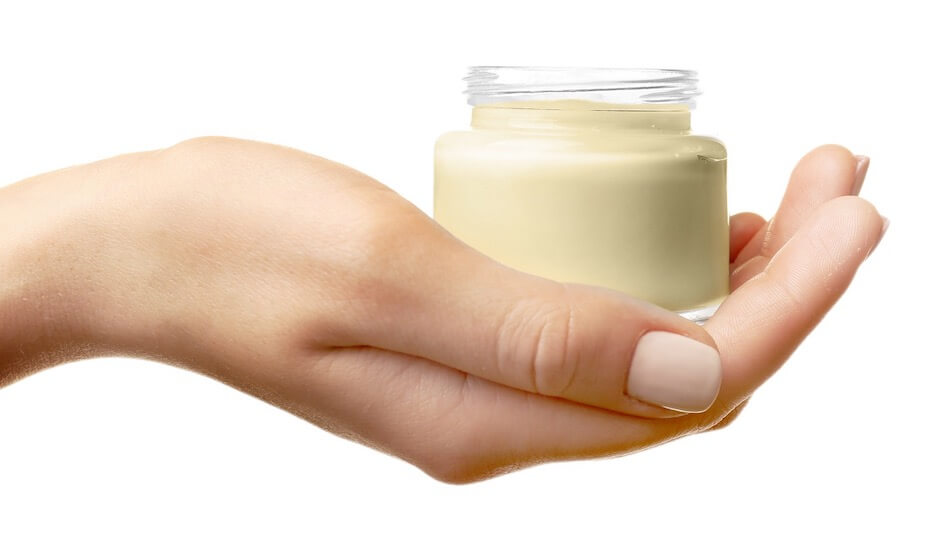
Boo Boo Balm

Fortified with copaiba, helichrysum, and other essential oils, this Boo Boo Balm brings soothing relief to everyday cuts, scrapes, bruises and aches. Because it is very concentrated, only a small amount is typically needed. Keep a jar of this around the house for those unexpected bumps and scrapes.

Ingredients

1/4 cup sesame or coconut oil
2 teaspoons beeswax
20 drops copaiba essential oil
10 drops black pepper essential oil
5 drops German chamomile essential oil
7 drops helichrysum essential oil
10 drops lavender essential oil

Instructions 

  1. Combine sesame or coconut oil and beeswax in a small glass jar.
  2. Create a double boiler by pouring a few inches of water in a small saucepan, and carefully set the jar of ingredients in the water.
  3. Next, gently heat the pan over medium-low heat.
  4. Once the mixture is completely melted, remove from heat. Finally, add essential oils and gently swirl to incorporate.
  5. Allow to cool completely and solidify before using.

For another great DIY recipe, check out this Winter Hydration Mask.


Looking for more recipes and education about essential oils, supplements, and natural health and wellness? Come check out !

CBD vs. Copaiba: Are they really the same?

So many times, well-meaning people do a bit of research and get carried away extrapolating data to far-fetched conclusions. I believe the CBD vs. copaiba essential oil comparison is one such case. It’s true that CBD and copaiba share some similar chemical constituents. However, it is not true that these similarities mean they have the same properties, behaviors, or side effects. The facts are interesting and shed light on the benefits of both of these natural oils, while clearly explaining the differences as well.

Let’s start with the basics

What is an essential oil?

Essential oils are natural, aromatic oils typically obtained by the steam distillation of plant material. Essential oils contain thousands of volatile compounds that evaporate quickly into the air, and the ratio of the molecules imparts the aroma to the oil.

So now that we’ve recapped that, let’s have a look at CBD.

What is CBD?

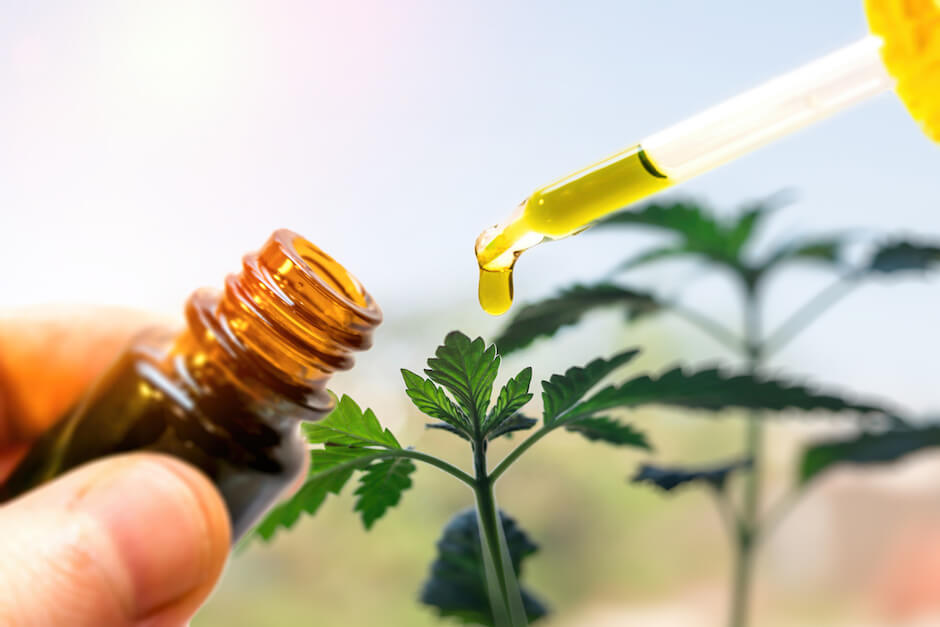
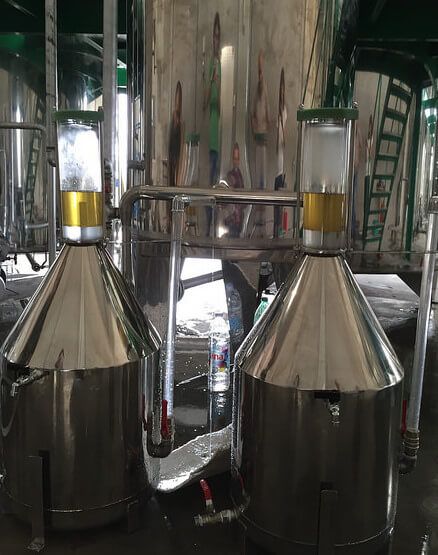
Cannabidiol (CBD) is a plant oil that is somewhere in between a fatty oil and an essential oil. Unlike true essential oils—which by definition are obtained via steam distillation—CBD must be extracted from the plant using solvents or by vacuum distillation. It is a thick, viscous oil that is not aromatic and therefore does not rise rapidly. CBD is a chemical constituent found in marijuana. Many people claim benefits of using CBD as a natural medicine for ailments such as pain, seizures, and anxiety.

Can CBD get you high?

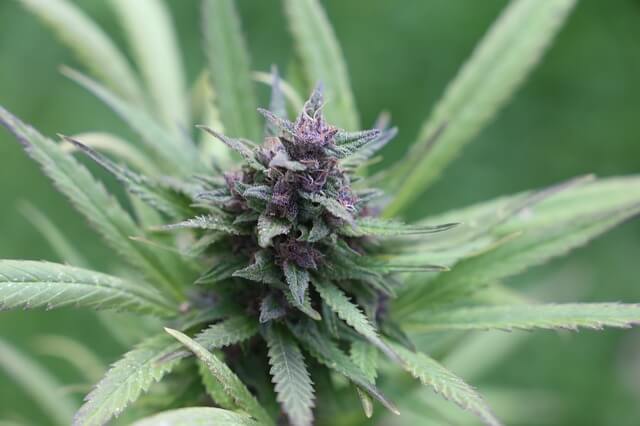
Tetrahydrocannabinol (THC) and cannabidiol (CBD) are the two primary cannabinoids that occur naturally in the Cannabis sativa plant, most commonly known as cannabis. Both CBD and THC interact with the cannabinoid receptors in the brain, but their effects are different. 

In the brain, the CBD-2 receptor is where the beneficial effects of pain mitigation, relaxation, and anti-nausea arise. On the other hand, the CBD-1 receptor is where the psychotropic changes of elation, sensory distortion, altered sense of time, and laughter may arise.

THC engages both the CBD-1 and CBD-2 receptor and can therefore produce both psychotropic effects and the medicinal effects. CBD is different from THC because it has a weak affinity for the CBD-1 and CBD-2 receptor, and instead is a mild antagonist at the receptor. This means CBD is non-psychoactive and will not get the user high. Because of this, CBD appears more frequently in dietary and natural supplements than does THC. It may provide the beneficial effects of marijuana without the psychotropic effects.

The comparison

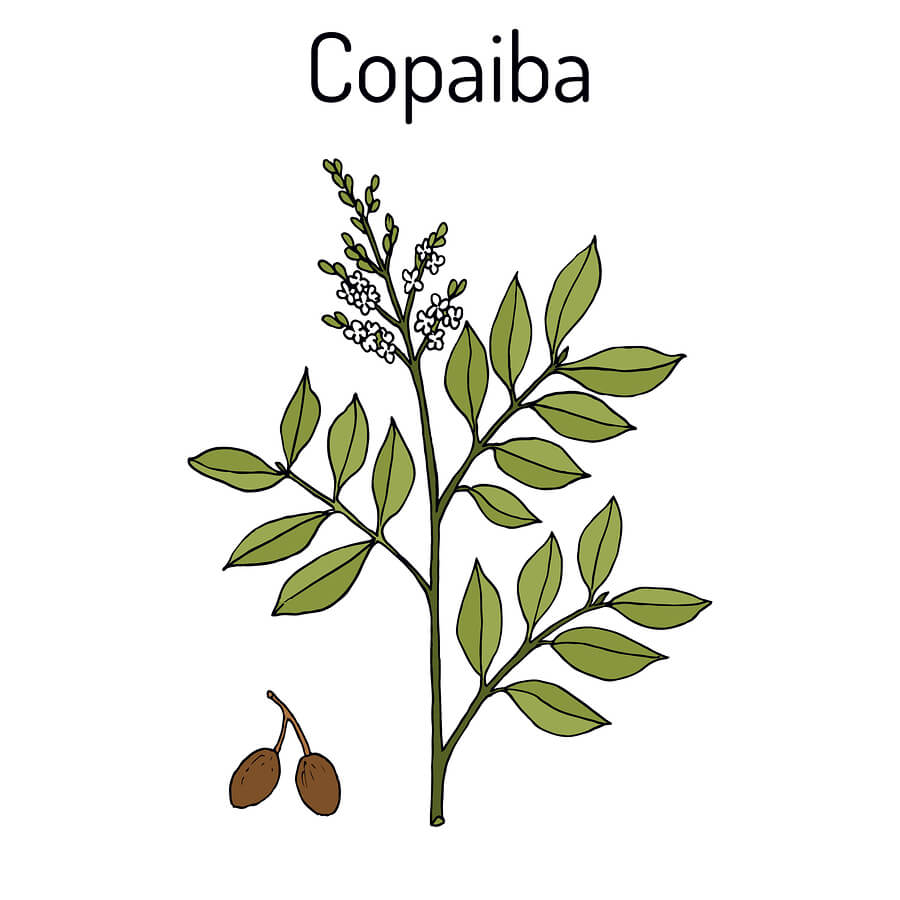
Unlike CBD, copaiba is a true essential oil steam distilled from the resin of the Copaifera officinalis tree. Many blogs have described copaiba essential oil as very similar to—or even the same as—CBD oil. In truth, there are some commonalities.

Both of these plant oils contain the chemical constituent beta-caryophyllene (BC). BC is one of more than 30,000 different terpenes found in nature. Both CBD and BC lend aroma and flavor to their respective plants, and there is some evidence that BC brings benefits. But BC is also found in ylang ylang, black pepper, oregano, clove, lavender, basil and many other essential oils. The conclusion that CBD and copaiba essential oil have the same benefits because of this single chemical constituent is incorrect. 

Think of it this way. You use eggs, flour, butter, and a handful of other ingredients to make cookies. Likewise, those ingredients are all used to bake a loaf of bread. Saying that because they have similar ingredients means they should look, taste, and feel the same is ludicrous. The same is true with the complex chemical make-up of natural plant extracts and oils. Having similar constituents simply does not make them work the same way. Not only that, but the other compounds in the oils make a difference as well. Each compound behaves differently based on its companions. That’s how chemistry works.

This is not to imply that there are no benefits of BC in a wide variety of forms. In fact, research does show promising evidence that it is effective for pain relief, as a wound salve, to prevent oxidative stress, and as an antimicrobial. It is simply important to not extend evidence from CBD to copaiba essential oil. 

Copaiba Essential Oil

Now that we have that all cleared up, let’s take a look at 5 benefits of copaiba essential oil.

  • Eases muscles within the respiratory system
  • Supports the kidneys and helps flush excess fluid
  • Thins mucous
  • Therapeutic and softening to the skin
  • Protects the liver

Source 

How do you weigh in?

What are your thoughts on the CBD vs. Copaiba debate? 


Check out this post for a DIY Boo Boo Balm with Copaiba essential oil.

If you are looking for even more research-based, unbiased, hype-free health and wellness education, then come on and check out !

Do You Know What’s in Your Drinking Water?

Everyone knows we cannot live without water. In fact, water makes up over 60% of our bodies, and our blood is over 90% water. We use water for so many things that we typically don’t think twice about turning on the faucet. Water should be a life-giving substance. But unfortunately, it is all too often treated with processes and exposed to harmful chemicals. Sadly, in some cases, that big bottle of drinking water may actually do more harm than good. Read on to learn about the dangers of tap water and the importance of water filtration.

What’s in Your Water?

Fluoride

Artificial water fluoridation began in the U.S. in the 1940’s as a measure to prevent tooth decay. But evidence shows that the risks from consuming fluoridated water may outweigh the benefits for some individuals. For more information about the health risks of fluoride, check out this post.

Chlorine

Chlorine is a highly efficient disinfectant added to public water supplies to kill disease-causing bacteria. But chlorine also poses many health risks. Among these are: bladder cancer, colon cancerbirth defects, and possible thyroid dysfunction.


Arsenic

Although the EPA has strict regulations about the testing and removal of arsenic from public water supplies, you may still be at risk. Over half of U.S. states are not up to par on meeting their compliance. Furthermore, arsenic is even more common in well water. It originates from natural deposits in the earth or industrial and agricultural pollution and leaches into the underground aquifers. The long list of negative effects of arsenic are well substantiated. From many types of cancer, to cardiovascular disease, to diabetes, reproductive issues and neurological effects, arsenic is a poison that has no business in your water bottle.

Lead

Lead is a highly poisonous heavy metal found in mineral deposits in the earth’s crust. Due to its non-biodegradable nature, its concentration accumulates in the environment with increasing hazards. Because of soil runoff, lead contamination in drinking water poses a risk, especially in well water. Corrosion of service pipes is another source of lead in municipal water supplies. Lead affects almost every organ in the body. Among the negative effects are: anemia, increased blood pressure, miscarriage, brain and kidney damage, birth defects, infertility, blood disorders, and even death.

Mercury

The major source of mercury in tap water is from natural degassing of the earth’s crust. The EPA admits that mercury in water has the potential to cause kidney damage and other health complications from even short-term exposures. Mercury has profound cellular, cardiovascular, hematological, pulmonary, renal, immunological, neurological, endocrine, reproductive, and embryonic toxicological effects.

Volatile Organic Compounds

Volatile Organic Compounds (VOCs) are compounds that easily become vapors or gases. Many consumer, industrial, and agricultural products release these compounds, which then end up in our water supply. VOCs include, but are not limited, to fertilizers, herbicides, paints, solvents, preservatives, household cleaners, etc. This stuff gets in our water and not only poses a risk when we ingest it, but also from undetectable off-gassing.

The EPA reports 23 common VOCs in tap water that pose health risks. Depending on the specific chemical—from benzene to toluene—the effects are alarming. Among those listed by the EPA are cancer and problems with the nervous, circulatory, lymphatic, reproductive and immune systems. Additionally, VOCs may impact the kidneys, adrenals, liver, thyroid, stomach, spleen. . .the list goes on.

Water Filtration

Gone are the days of innocently turning on the tap for a glass of clean water, folks. Sadly, it is alarmingly important to use a high-quality water filter and have your water tested on the regular. Because there are so many options out there, choosing a water filter can be overwhelming. 

What to Look For in a Water Filter

It is vitally important to do your research before choosing a water filter. Many of them do nothing more than remove solid particles. Check for testing and verification of claims. And by all means, make sure that the filter is removing the nasty stuff you don’t want in your water. 

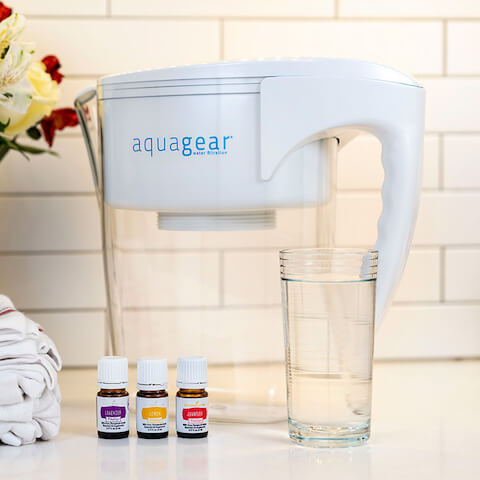
One water filter I recommend is the Aquagear filter. They provide independent testing certificates that show that their pitchers remove 89 water contaminants. The water from my Aquagear tastes crisp and clean, and I know I don’t have to worry about any of the contaminants described above.

What’s more is that a portion of their proceeds go to the non-profit Aquagear Foundation. For every filter purchased, they provide six months of clean water to a developing community. That’s something I can drink to.

What about you? Do you have a water filter you love? 

You may also be interested in this post where I share my thoughts about Water Filter Options.