
Keto Diet: the ins and outs of carb restriction

Keto, ketosis, ketoacidosis. . .these are names for a diet that is at an all time high for popularity. But the keto diet is actually not a new or “fad” diet. This high fat, moderate protein, low carbohydrate diet forces the body to burn fat rather than carbs. The benefits of the fasting state brought on by a keto diet range from weight loss to better memory to helping manage and even heal certain diseases. But how does it work and what are the risks?

History

Back in the 1920s, doctors used the ketogenic diet as a therapy for epilepsy. The change of metabolism brought on by carbohydrate restriction mimicks fasting. Prior to the keto diet, people used fasting as a means of controlling seizures for decades. There are hundreds of studies that point to the efficacy of the keto diet for the management of epilepsy and other seizure-related ailments. With the onset of anti-seizure medications, the keto diet has lost popularity for the treatment of epilepsy, but supporters purport that it can help with the management of various ailments as well as weight loss.
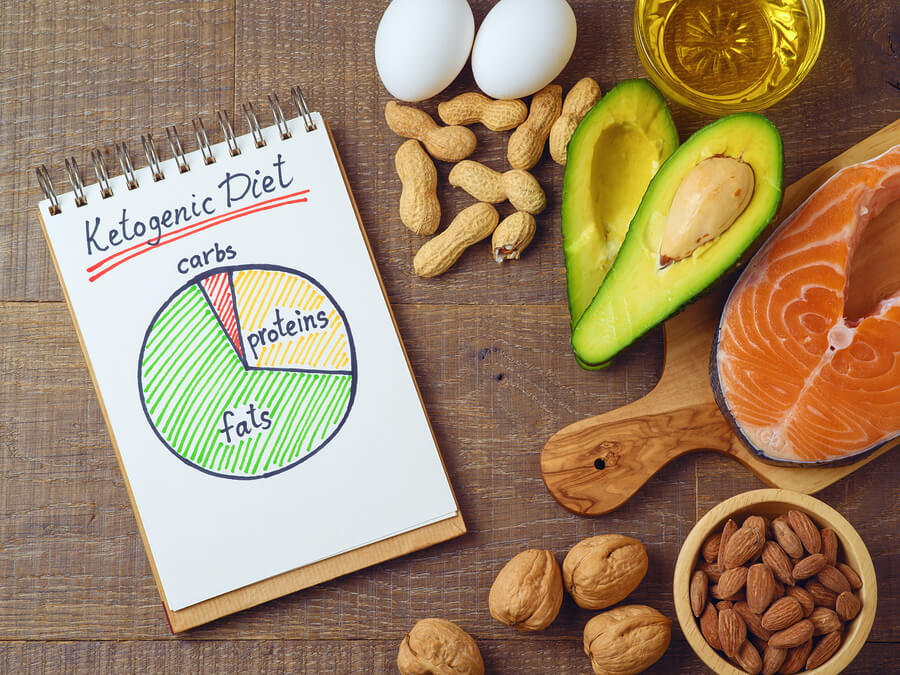
What is Keto?

Under normal conditions, the body uses glucose as a primary source of energy. Ketosis occurs when the body is deprived of carbohydrates and therefore produces glucose from non-carbohydrate sources. During periods of low food intake (fasting) or severe carb restriction, the body runs out of stored glucose, or glycogen, generally after about 24-48 hours. When this happens, the body switches to a process of gluconeogenesis, where it metabolizes stored fat instead of glycogen. This causes the liver to release ketone bodies (acetoacetate, β-hydroxybutyrate, and their product acetone) into the bloodstream. These ketones may then be used by your body as an energy source.

Acetyl coenzyme A (or acetyl-CoA) is the end goal of ketosis. This enzyme has an essential function in the citric acid cycle, or Kreb’s, cycle, which is the body’s process of breaking down food into useable energy. The ketone bodies facilitate the breakdown of lipids into needed acetyl-CoA that is otherwise unavailable during carbohydrate restriction.

What Triggers Ketosis?

Fasting

Ketosis happens when the body produces enough ketones to measure significant levels in the blood (usually over 0.5 mM). The fastest way to achieve ketosis is by fasting or starvation. Intermittent fasting is one way to kick start the process of ketosis.

Carbohydrate Restriction

The rate of formation of ketone bodies depends on the concentration of fatty acids derived from the hydrolysis of adipose tissue (the breakdown of fat). Insulin depresses hydrolysis. Because carbohydrates trigger a release of insulin, any amount of carbs slows this process. This is the reason severe carbohydrate restriction is necessary to achieve ketosis.

Long Periods of Strenuous Exercise

Interestingly, ketosis also occurs following periods of strenuous exercise. During sustained exercise, the body increases blood flow to working muscles. This causes the mobilization of more fatty acids from adipose tissue for delivery to the muscle. During the post-exercise period, the liver generates ketone bodies as a result of the increased mobilization of fatty acids. 

Diabetic Attacks

When insulin levels drop too low, the body resorts to metabolizing fats. This can cause a dangerous state known as diabetic ketoacidosis (DKA). It is associated primarily with type I diabetes, and may result in a diabetic coma if left untreated.

Benefits of Ketosis

Weight Loss

There are numerous studies that point to the efficacy of a keto diet for weight loss. Forcing the body to use stored fat as fuel produces great results for some people. Supporters even tout the keto diet’s ability to eliminate obesity and promote long term weight management. 

Improved memory

Keto dieters claim one of the beneficial side effects of the keto diet is improved cognition and memory. This is likely because of the release of β-hydroxybutyrate, which correlates to memory improvement. Some studies even report that ketosis can improve and prevent Alzheimer’s disease.

Cancer

A review of studies shows the potential of a ketogenic diet to reduce tumor growth in cases of malignant glioma, prostate cancer, colon cancer, and gastrointestinal cancer. There is also evidence that carbohydrate restriction can enhance the responsiveness of cancer cells to chemotherapy and to ameliorate some of chemotherapy-induced side effects in normal tissues. Importantly, this review states that patients reported no adverse effects with the use of a keto diet to manage cancer treatment.

Diabetes
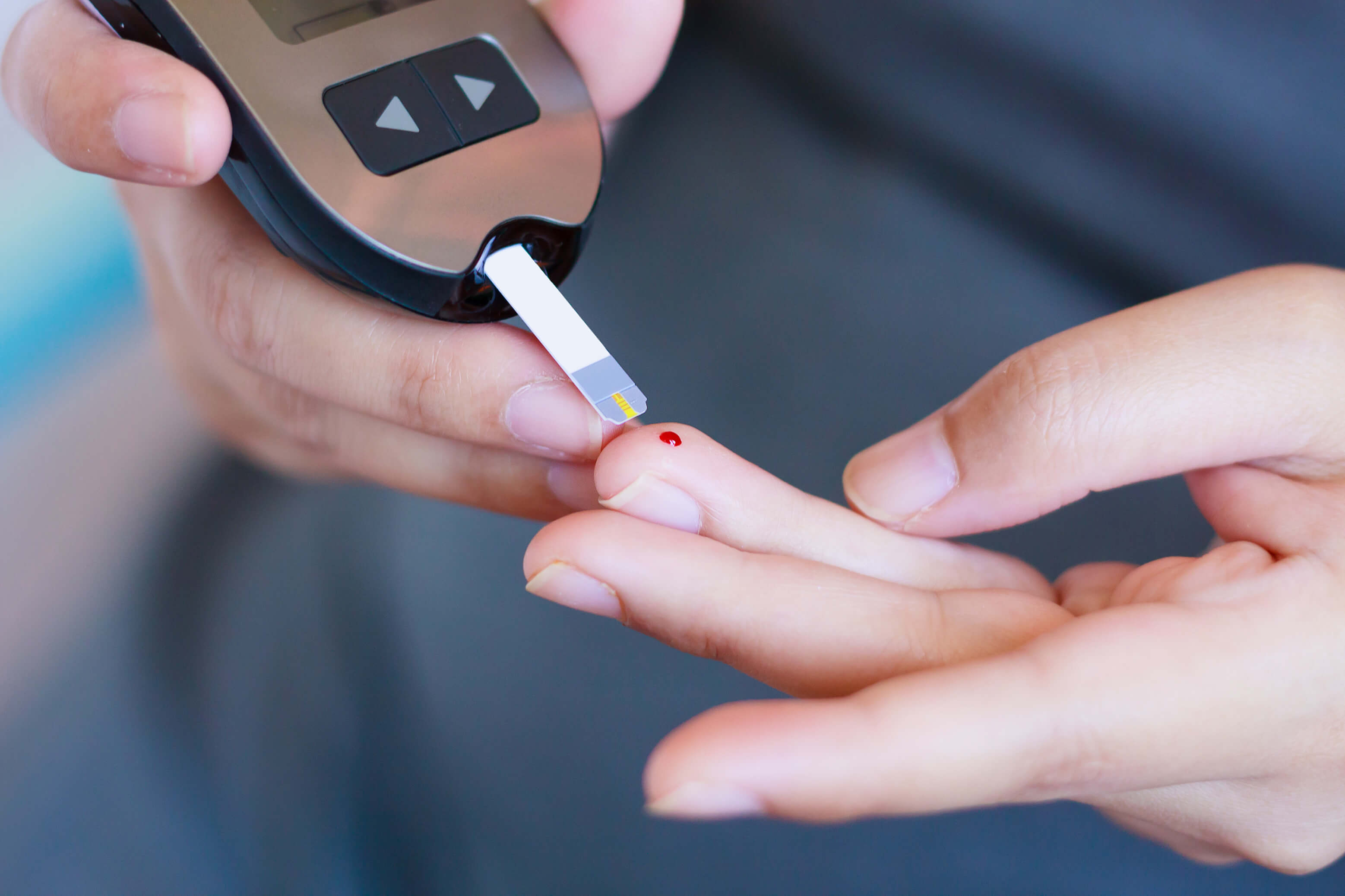
Several recent studies indicate that a low-carbohydrate diet is effective at improving glycemia. Some people report improved glycemic control, as well as a substantial reduction in diabetes medications. Studies involve patients who suffer from both type 1 and type 2 diabetes. Certainly, more research is needed and individuals must evaluate their bodies to determine if a keto diet is right for them.

Cardiovascular Health

Although some people think consuming a high percentage of fats leads to elevated cholesterol, some studies actually show the opposite. Studies report that long-term ketosis caused a significant decrease in the level of total cholesterol, LDL (“bad”) cholesterol, triglycerides and blood glucose level. Additionally, HDL (“good”) cholesterol increased significantly after the treatment. Keep in mind that these are based on long-term adherence to a keto diet.

Epilepsy

As previously mentioned, the ketogenic diet originated with the intent to treat epilepsy. Multiple studies reveal the value of this type of diet as a valuable tool for managing seizures in epileptics, especially children.

Liver Health

Do a search for the effects of a keto diet on the liver, and you will find an equal number of studies that claim benefits as detriment. However, most studies do not investigate the specific types of fat ingested. The consumption of primarily unsaturated fats helps to protect the liver and even alleviate non-alcoholic fatty liver disease (NAFLD). In contrast, a diet rich in saturated fats can actually contribute to NAFLD and other liver disease.

Risks of Ketosis

Failure

Achieving ketosis sounds as simple as not eating carbs. However, it isn’t always that easy. Even the smallest amount of carbs and even protein can throw off the process. Because it takes the body time to reach a state of ketosis, it’s not effective to go back and forth with this diet. A cheat day, or even just a cheat meal, can throw your body out of ketosis so that you have to start all over. For many people, adhering to such a restrictive diet is just not feasible. It’s really an all-or-nothing plan and that makes failure all the more common.

Side Effects

When first starting out on the keto diet, the vast majority of people experience what is called the keto flu. This occurs during the process of the body making the switch from metabolizing carbs to fats. Most people report that it occurs around day 5-7 and can last up to a week. Symptoms include fatigue, headache, brain fog, dizziness, sugar cravings, nausea, muscle cramps, and irritability. Fortunately, there are many remedies to help during this process.

Eating the Wrong Kinds of Fats

High fat diets are not always healthy. It is vitally important to consume healthy fats balanced with the proper amount of clean protein and carbs. Too many people start a keto diet and think they can binge on mass quantities of bacon, gobs of butter, and other less-than-ideal foods. This where the problems arise. Some people have experienced mineral and nutrient deficiency with a keto diet. Seeking out nutrient-rich foods is a bit of a challenge, but it is just as important with a keto diet as it is with any other meal plan. 

High amounts of protein, particularly animal protein, causes an increase of calcium and uric acid levels in the body. This, coupled with insufficient water intake, can lead to kidney stones and even gout. The answer is to drink plenty of water and seek out healthy fat and protein sources while on keto to avoid dehydration.

Same goes for cholesterol. Unhealthy trans and saturated fats found in red meat, poultry skin, cheese, and butter contribute to elevated cholesterol levels.

How Do I Get Started?

There are hundreds of websites dedicated specifically to the keto diet. It is up to you to determine if a keto is the right diet for you, as well as how you approach it. It is not as simple as it sounds, and there are tons of resources to help you achieve and evaluate your ketosis. I cannot stress the importance of monitoring your body and making sure you are getting plenty of good fats. There are even vegetarian and vegan keto plans out there. Rest assured, it is possible to eat clean, healthy foods on a keto diet.

Check out this recipe for Euphoric Keto Vegan Cacao Truffles from my friend, Toby Gant.

Do You Keto?

Share your insight in the comments. 


For more health and wellness education, come on and !
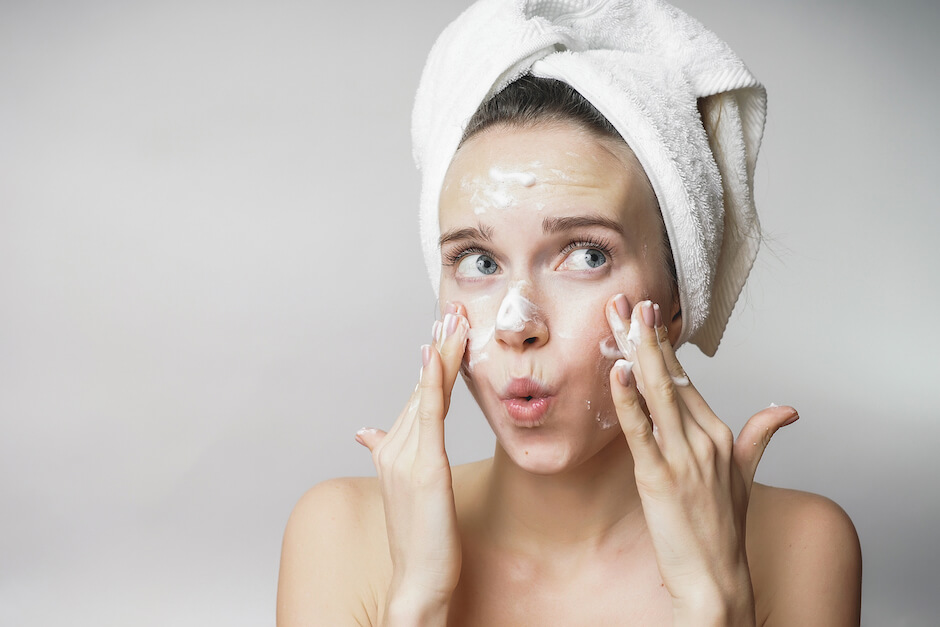
Skin Permeability: Why you should worry about what you are putting on your body’s largest organ

Recently, I’ve heard a few arguments about skin permeability and basically that chemicals cannot pass through the epidermis. Some argue that topical applications, including skincare implements and make up, do not transmit through the skin. Yeah, right. If the skin did not absorb molecules, we wouldn’t have dozens of medicines with systemic effects that are delivered via patches, creams, and gels. Yes, the skin is your body’s outermost protective layer. But no, it is not a suit of impenetrable armor. Just like any other part of your body, cells make up the skin. Like, actual living cells that are susceptible to chemicals and contaminants just like all other body cells. Let’s have a look at the science behind the skin and how this protective barrier works.

A Closer Look at Skin

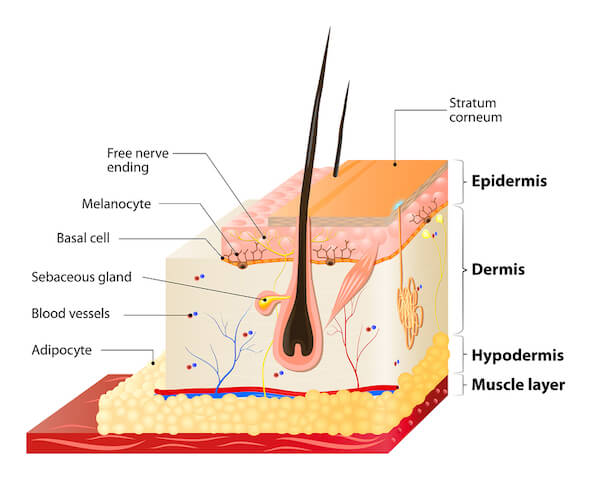
The skin is our body’s largest organ, with an average surface area of 2 square meters. This multilayered, complex system’s job is to protect our bodies from external harm, regulate body temperature, and manage nutrient levels and water loss.

The outermost part of the epidermis, the stratum corneum, is where all the action takes place. Dead corneocytes make up most of this layer. The stratum corneum arrangement is analogous to a wall of “bricks and mortar” where corneocytes represent the bricks and intercellular lipids represent the mortar. Considering its barrier characteristics and water resistance, the stratum corneum is the main layer that limits absorption through the skin (1). But absorption does occur, and there are 3 basic mechanisms.

3 Methods of Skin Penetration

Transcellular route

Also known as intracellular, this route of penetration involves molecules passing through the corneocytes. This path is difficult because chemicals must first cross the lipophilic membrane of each cell, then the hydrophilic center of the cell, and then back out through the lipophilic membrane. So a molecule must be both hydrophilic and lipophilic in order to take this route of penetration. That’s uncommon.

Intercellular route

This is when a molecule passes between the corneocytes in the stratum corneum. This is the most common method for molecules to permeate the skin. Because of the lipid content of these spaces between cells, this route favors lipophilic molecules.

The barrier function of the lipid-rich epidermis prevents most hydrophilic and large molecular weight chemicals from penetrating intact skin (2). However, when the corneocytes become saturated with water, they take on the wrinkled “raisin skin” look. At this point, they become vastly more permeable (3).

Intrafollicular route

This absorption occurs through hair follicles and sweat glands. Because the ratio of these skin appendages is low in comparison to the surface area of skin, it is the least common method of absorption (4).

Let’s Not Forget Other Factors

While it seems that our skin is an excellent barrier to the outside world, with mechanisms to protect against both lipophilic and hydrophilic particles, there are other factors to consider. We humans have devised many ways to thwart the skin’s every effort to protect our bodies.

Other chemicals that enhance penetration

There are several mechanisms by which other chemicals act as penetration accelerators. They can break down corneocytes, increase the distance between corneocytes, and act as solvents that solubilize the intercellular lipids (4).

Concentration

This is an obvious one, folks. The more concentrated the molecules are in a solution, the more that will find a way through.

Presence of Nanoparticles

Studies show that molecules larger than 500 Dalton are unable to penetrate the skin effectively (5). Unfortunately, not all skin preparations are that large. Alarmingly, it is common practice to include nanoparticles in many cosmetic and skin care formulations. These microscopically tiny molecules can pass through the brick wall of epidermis with ease (6). The ability for molecules to cross the skin barrier has given rise to the booming cosmeceuticals industry that claims to solve every skin issue from wrinkles to age spots.

Location of Application

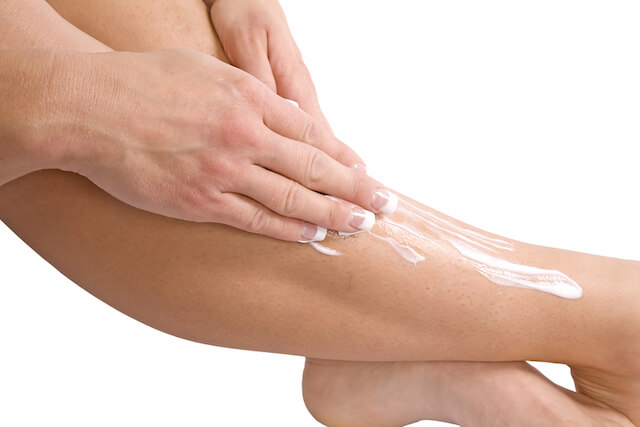
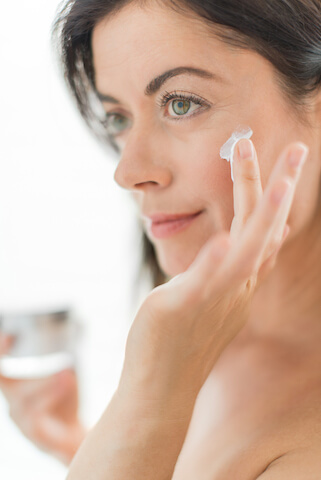
Certain areas of the skin, such as the neck, inner forearms, face, genitalia etc., are thinner and more permeable. When you apply products to these areas, they are more likely to end up in your bloodstream.

Skin Health and Condition

All of the protective factors described above assume healthy skin. Skin health is compromised by aging, exposure to solvents, skin care routine, health condition, and environmental factors. And as skin health declines, so does its protective ability.

The moisture content of the skin affects permeability as well. Dry skin loses some of its protective features. Even the temperature of skin plays a role. The warmer the skin at the time of application, the more fluid the lipid barrier becomes, making it easier for molecules to pass (4). The obvious problem here is that most people apply skin care products right after a hot shower.

Studies are Lacking

Concrete scientific evidence on human subjects is lacking. Most studies focus on animal or in vitro studies. Thus, it is really hard to know for certain exactly which chemicals pass through the skin into the bloodstream. We can only base our decisions on the understanding of the way skin works and what type of particles can theoretically override this beautifully designed system.

So What Do We Do?

The bottom line is, there are too many factors to be considered. If your skin is perfectly healthy and well moisturized and you only apply one type of product to your skin—which you are sure contains no solvents, accelerators, or nanoparticles—there is a good chance you’ll be okay. But if your skin is a bit dry, or you are using multiple products (as most of us do on a daily basis), or if one or more of those products is a bit concentrated, or your skin is saturated and heated from a nice bath. . . you get the idea.

Let’s face it people, we can’t eliminate all the variables. We’d not only have to read every single label and research all the ingredients, we’d still have to evaluate when and how we use each and every product and make sure our skin stays perfectly healthy.

So why not just choose products that don’t contain questionable chemicals? Sure, we can buy cheap crap make up and lotions that smell like a scented candle. But what are the long-term consequences? We simply can’t be too careful about what we slather, smear, and dab on our body’s largest organ.

Want a recipe to love on your skin? Try this Skin Nourishing Ointment DIY.


Looking for more great education about keeping your body healthy inside and out? Come check out !

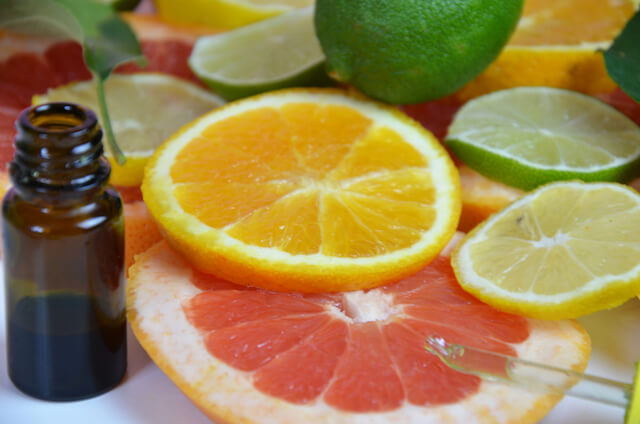
Citrus Essential Oils

Citrus essential oils are so versatile. They differ from other essential oils in that they are not steam distilled. Here are the facts about how citrus oils are obtained, as well as cautions and benefits of these oils.

Are citrus oils true essential oils?

Cold pressing is the method of extraction for most citrus oils. They are not steam distilled because the heat can damage some of the constituents and affect the potency of the resulting oil.

By definition, an essential oil is the aromatic natural essence of a plant that gives it it’s fragrance. Some people argue that oils have to be steam distilled to be true essential oils. However, it really just depends on which definition you use. Citrus oils are aromatic and contain the essence of the plant from which they come. We also use them just like other steam distilled oils. 

Cold Pressing

Cold pressing, or expression, is a mechanical process of pressing the essential oil from the rind of the fruit. A machine pierces and crushes the rinds, while a centrifuge collects the resulting oil. From there, the centrifuge spins the liquid to separate the oil from the plant pulp and liquid. During cold pressing, some naturally occurring waxes may accompany the essential oil.

Special Precautions for Citrus Oils

Diffusing

The waxy residues in citrus oils can harm some diffusers. Check the instructions that came with you diffuser for warnings. You can eliminate most problems with proper care and cleaning of your diffuser.

Photosensitivity

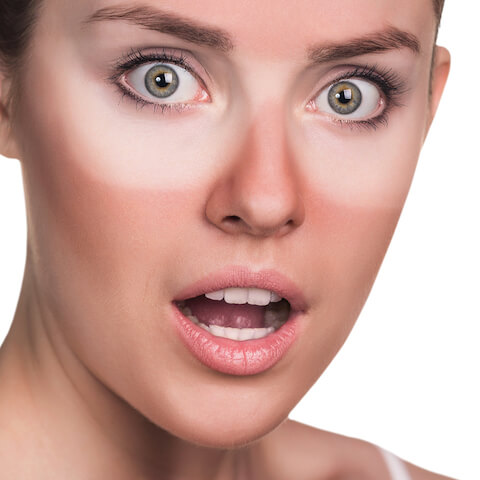
Most citrus oils are phototoxic. Phototoxicity is a toxic response from a substance applied to the body which is either elicited or increased after subsequent exposure to light. A phototoxic reaction can range from sunburn to blistering. 

Furocoumarins and coumarins are the primary culprits when it comes to phototoxicity. These chemical constituents absorb ultraviolet light and intensify the affect on the skin. Avoid using citrus oils topically for several hours before going out in the sun. Certain citrus oils are more phototoxic than others. Below is a list of oils considered phototoxic:

  • Angelica
  • Bergamot
  • Orange
  • Grapefruit
  • Lemon 
  • Lime
  • Petitgrain
  • Rue

Allergies

While allergies to essential oils are uncommon, they are definitely not impossible. Cold pressing does not remove furocoumarins and other chemicals that may cause sensitivity. Therefore, a person who is allergic to oranges or other citrus fruits will very likely be allergic to the corresponding essential oil.

Oxidation

Unlike steam distilled essential oils, citrus oils are very prone to oxidation. Exposure to light or oxygen can degrade certain chemical compounds. This can affect the aroma and efficacy of the essential oil.

While most essential oils can tolerate heat, take special care to keep your cold-pressed oils out of the hot car or other areas where temperatures may reach 90° or above. Additionally, keep the bottles tightly capped. It is also a good idea to combine partial bottles of the same oil to reduce the amount of open air space in the bottle. These precautions will prolong the life of your cold pressed oils. If an essential oil smells like it has gone bad after exposure to heat, you may consider discarding the oil as chemical degradation can affect the efficacy of an oil and may generate new, hazardous compounds into the oil.

5 Great Uses for Citrus Oils

Uplifting

Citrus oils have a bright fragrance that can uplift mood and increase energy.  They can also promote mental focus and clarity.

Antioxidant

Many common compounds in essential oils, such as limonene, help to combat free radicals.

Flavoring

Try adding a few drops of a citrus oil in your drinking water or other beverage. (Make sure you are not using a plastic bottle, as the oil can degrade the plastic.) You may also choose to add citrus oils in recipes in place of fruit juice or rind.

Superb Air Freshener

Diffuse several drops of your favorite citrus oil to eliminate odors from your house or car. A cotton ball with a few drops of oil freshens shoes, drawers, or other areas. To refresh a smelly refrigerator, combine 1/4 cup of baking soda and 4-8 drops of citrus oil in a small container. Leave open in the fridge for several hours.

Clean Produce

Soak produce in water with several drops of citrus oil to clean and remove the waxy residue from your fruits and vegetables. 

Citrus Oils are So Versatile

There are dozens of other uses for citrus oils. What are your favorite ways to use them?

For more ideas, be sure to check out my Top 10 Uses for Lemon Essential Oil


For even more essential oil and natural health and wellness education, come and check out !

My Favorite Tools to Empower Your New Year’s Resolutions

It’s the season of setting goals and focusing intentions on self improvement. As you spend time pondering the year ahead, set yourself up for success with some new tools to empower your New Year’s resolutions. I know. I know. I just posted something about how I hate most New Year’s resolutions, but everybody and their sister seem to be making them, so I want to throw my two cents in.

New Year’s Resolutions are often very challenging to keep. They are too lofty, too challenging, and require too much discipline. Plus, in the middle of the winter, the mind and body is in hibernation mode, and it can be more challenging to make changes that stick. Therefore, I recommend gentle additions to your regular routine so you can make gradual changes that stick.

Here are a few of my favorite tools to empower your New Year’s Resolutions.

Be Intentional

Don’t just think about your goals. It’s important to actually write them down. Better yet, journal about your desires as well as your step-by-step plans to make them a reality. Find a journal to dedicate just to your personal growth plans for the next year and record your challenges and triumphs.


De-stress

Meditation is one of the best ways to stay focused on your goals. Not only that, but it also helps to calm and refocus the mind in the midst of busy-ness. Even just a couple of minutes can help you feel more centered and remove yourself from the chaos. One of my favorite meditation apps is Insight Timer. This database has thousands of guided categorized meditations. There are options for quick 2 minute breaks, longer, deeper sessions, and everything in between.

For an even more comfortable experience, check out this meditation cushion. It helps maintain good posture and positioning so you can stay in your happy place longer.

Turn Work Into Fitness

For most people, the biggest challenge of starting a workout routine is finding time to squeeze it into an already busy schedule. What better way to add in some fitness than to find ways to exercise while you work? 

This exercise ball is my absolute favorite desk chair. It encourages excellent posture and engages core muscles as you sit at your desk or even in front of the TV. I also use my foam roller while working. It is great for working out sore muscles, increasing circulation, and improving flexibility throughout the day.

One super easy way to add some activity into your daily routine is by creating an epic playlist that you love. Choose upbeat songs that make you want to move, and play it while you cook, clean, or do other tasks throughout the day.

Eat Healthier

This two-word phrase is arguably one of the most common goals people set. It is the key for maintaining healthy weight, eliminating many illnesses, boosting confidence, and just feeling great in general. Here are a few ways you can stay on track with this intention.

Begin a meal service. Yes, you will pay more for this luxury, but those pre-planned meals really do help people stick to a healthy diet. My favorite is from Purple Carrot, the only plant-based meal delivery option. (If you decide to give it a try, use the code Purple20 for $20 off your first box.)

Add in some juice. It’s a simple way to add in more fresh fruits and vegetables to your day. My juicer makes juicing fast and simple with minimal clean up.

Drink more water. So many times when we feel hungry, we are actually thirsty. Being intentional about drinking more water really can encourage you to stay healthier and eat less during the day. Keep a water bottle by your side at all times, and it will soon become second nature to drink regularly.

Embrace Technology

There are so many apps out there that can help you stick to your plans. I like Lose It! for tracking food intake. Simply scan or search for the foods you eat and it automatically calculates your calorie intake. 

I also like the Sleep Cycle alarm clock app. It helps keep track of your sleep patterns and shows you where you need improvement. So many people are surprised to learn how vital sleep is to losing weight and feeling healthy.

If you have an iPhone, take advantage of the Health App. It automatically tracks your daily activity and sleep and offers a place to record your nutrition data, mindfulness, and weight loss progress. 

Need some help getting started with your resolutions? Check out this post about setting goals


For more ways to help you stay focused and empowered to be the best business builder? Join Brand Strategies Lab.