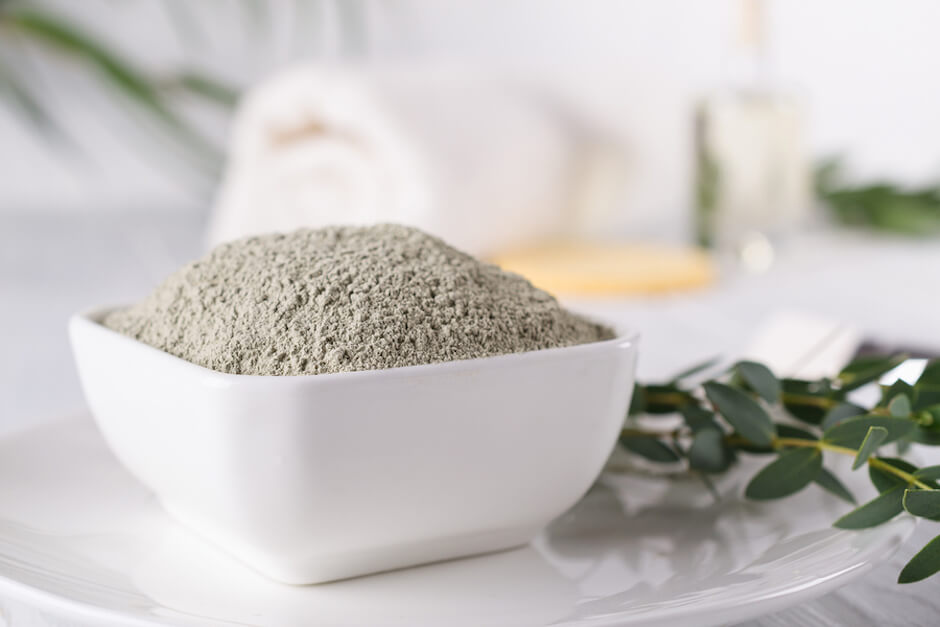
For centuries, humans have looked to the earth for healing remedies. One of the oldest available resources is bentonite clay. This mineral-rich clay has many therapeutic benefits and is a common ingredient in skin and haircare implements, as well as oral supplements, and oral care products. There are numerous benefits of bentonite clay to teeth and gums.
Where does it come from?
Bentonite is an aluminium phyllosilicate volcanic ash. The largest source of the clay is Fort Benton, Wyoming, for which the clay is named. This highly charged ash is rich in natural minerals, including silica, calcium, and magnesium. Characterized by expandable properties and swelling capacity, bentonite is truly a healing clay.
Benefits of Bentonite Clay
Adsorption – Removal of impurities
Bentonite clay molecules carry a negative electrical charge, while toxins and impurities (viruses, parasites, fungus, bacteria, etc.) carry a positive charge. Adsorption describes the process by which negatively charged particles of clay bond with positively charged particles. In this way, the clay molecules act like magnets, attracting and holding the toxins and impurities without breaking them down.
Absorption – Neutralizing bacteria
Absorption is the process by which one thing absorbs another. Bentonite clay is like a molecular sponge, absorbing toxins into its stacked layers. Absorbent clay only absorbs positively charged toxins and impurities, while ignoring negatively charged nutrients. Consequently, the clay neutralizes bacteria and other impurities from the mouth and surface of teeth. This improves overall oral health as well as eliminating bad breath.
Remineralization – Building tooth enamel
Bentonite clay contains beneficial minerals that help to remineralize tooth enamel. When bacteria and other intruders attack the outer surface of teeth, they break down mineral-rich tooth enamel. Minerals in saliva help rebuild enamel to prevent tooth decay. Minerals in bentonite clay provide a basis for this remineralization. Thus, bentonite clay can actually help heal minor tooth decay and damaged enamel.
Alkalization – Preventing decay
In addition to providing the mouth with minerals needed to build tooth enamel, minerals in bentonite clay help neutralize acids in the mouth. Acids from sugar and other sources weaken tooth enamel, thereby allowing bacteria to thrive. The minerals in bentonite clay neutralize the acid and raise the pH of the mouth.
Polishing
The superfine particles of bentonite clay are very effective at polishing teeth. Because they are so fine, these particles gently scrub the surface of teeth without harsh abrasives that can damage enamel. As a result, brushing with clay leaves your teeth with that slick, smooth, just-from-the-dentist feeling.
Ready to Try Bentonite Clay?
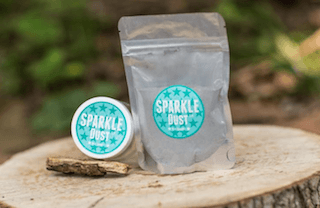
My favorite tooth powder is Sparkle Dust. It contains bentonite and other clays, as well as xylitol, diatomaceous earth, activated charcoal, sodium bicarbonate, and calcium carbonate. Best of all, it leaves my teeth smooth and my mouth feeling fresh and clean. Order Sparkle Dust here →
For more oral care education, check out this post on the benefits of xylitol.
For even more health and wellness education from the top of your head to the bottoms of your feet, come on and !
Food allergies and food intolerances are an ever-growing public health concern. Gluten is in the spotlight for a variety of reasons, with more and more people eliminating this ingredient from their diets. In fact, over 3 million Americans alone follow a gluten-free diet. So what are the risks of gluten, and why are so many people going gluten free?
First, What Exactly is Gluten?
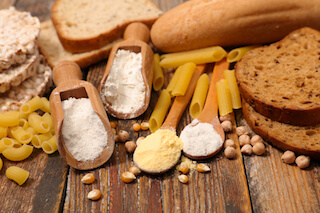
Gluten is a general name for proteins found in several types of grains, including wheat, rye and barley. The proteins that cause sensitivity are collectively called prolamins. Each grain has a unique prolamin fraction; gliadin (wheat), secalin (rye), and hordein (barley). Gluten consists of two proteins, gliadin, which is alcohol soluble, and glutenin which is not soluble in alcohol. When flour and water combine, gluten forms a glue-like network of proteins. This gives dough its elasticity and allows bread to rise, producing a chewy, soft-textured bread.
How Do Our Bodies Digest Gluten?
In normal digestion, enzymes break down long strands of protein into smaller, digestible components. Digestive enzymes perform a variety of tasks, from breaking down food to protecting the microvilli lining of our digestive tract, which is where nutrient absorption takes place. The enzyme tissue transglutaminase (tTG) breaks down gluten into its component proteins, gliadin and glutenin.
What is Celiac Disease?
Celiac disease is a genetic autoimmune disease that occurs when a person possesses either or both of the antigens HLA-DQ2 or HLA-DQ8. These immune system antigens see these proteins (primarily gliadin) as intruders. The immune system responds with a dispatch of antibodies to attack the gliadin. In celiacs, these antibodies attack digestive enzymes as well as the culprit proteins. This is where the real problem lies.
As digestive enzymes diminish, nutrient-absorbing microvilli erode. This in turn decreases a person’s ability to effectively absorb nutrients and can even cause intestinal walls to become leaky. The result may cause a variety of symptoms, including bloating, constipation, diarrhea, weight loss, fat malabsorption, anemia, and low vitamin D. Furthermore, this malnutrition deprives a person’s body of essential nutrients and can bring on a whole host of other health problems and diseases.
How About Gluten Sensitivity?
Most people do not possess both antigens that cause celiac disease. Some people have only one, which may result in gluten sensitivity that is less severe as in true celiac sufferers. Still others do not have either antigen but still experience some adverse reactions to gluten. So what’s going on?
Within the mucosal lining of our gut, a protein called zonulin moderates the permeability of the tight junctions to allow nutrient absorption. Gluten proteins are large and difficult for our bodies to break down, so they cause a bigger release of zonulin. Thus, the tight junctions in the intestinal wall are opened too much for too long. This increases intestinal permeability and results in leaky gut. When this occurs, toxins, microbes, antibodies, and undigested food particles escape from the intestines and travel throughout the body via the bloodstream.
The Dreaded A Word: Autoimmune. What does it really mean?
The escape of antibodies from the intestine basically unleashes a host of aggressive killer cells. These antibodies attack other cells, tissues, and organs in the body. This is why gluten sensitivity often results in autoimmune disease. The food a person eats actually causes the body to attack itself, sometimes on multiple fronts.
Who Does this Really Affect?
The fact of the matter is, gluten sensitivity is not always genetic. Anyone who consumes a large quantity of foods containing gliadin may experience symptoms. The more gluten we eat, the more zonulin is released, the more the intestinal wall is breached. For most people with a healthy digestive system, moderation is key. If you binge on a heavy meal with lots of bread, pasta, or other gluten-containing foods, you may just feel “heavy” and lethargic. Others may experience headache or gastrointestinal discomforts. When reactions become more severe, it is time to evaluate symptoms and diet.
Symptoms of Leaky Gut and/or Gluten Sensitivity
The most common symptoms of a gluten sensitivity or intolerance include:
Bloating, constipation, diarrhea, nausea, or other gastrointestinal complaints
What Should You Do if You Suspect You are Gluten Sensitive?
The easiest way to discern if you are truly sensitive to gluten is to stop eating it entirely for a period of time. Depending on the severity, it takes a few weeks to several months for the gut to heal itself. However, most people who are sensitive notice an improvement of symptoms within just a few days of completely eliminating gluten.
If after several weeks of avoidance you notice an improvement in your overall health, it’s presumable that you have some degree of sensitivity. As you add gluten back in to your diet, pay close attention to how your body feels. It’s a good idea to keep a health journal and record your gluten intake. As you track your diet and symptoms, you will eventually discover the amounts and types of foods that cause the most reaction from your body. Then you can moderate your diet and avoid foods that bring the most discomfort.
If you suspect you may have celiac disease, it is important to see a physician for a diagnosis. Strict avoidance of gluten is the only option if you are celiac. There are also tests available to check for the presence of the antigens HLA-DQ2 or HLA-DQ8 to determine if you are gluten intolerant. These can be obtained through a doctor and some online self-testing sources.
If You Decide to Go Gluten Free
Fortunately, there are a variety of gluten alternatives readily available. Grocery stores and even most restaurants offer a variety of gluten free products. The internet is flooded with gluten free recipes and tips for substitution. Read labels carefully, especially if you are trying to avoid gluten completely. Look for products specifically labeled as gluten free. You’ll find a variety of bread, pasta, cereal, crackers, cookies, flours, baking mixes, etc.
What are Your Thoughts?
Do you adhere to a gluten free diet or think it is all hype?
For more information about the numerous benefits of a clean, healthy diet, come and check out the Clean Slate Cleanse.
During this time of year, do you find yourself needing more space to breathe? To cleanse the air in your home or work space to allow for relaxation and new growth? If you feel out of balance and just a bit “off” during the winter months, an imbalance of your kapha dosha may be the culprit.
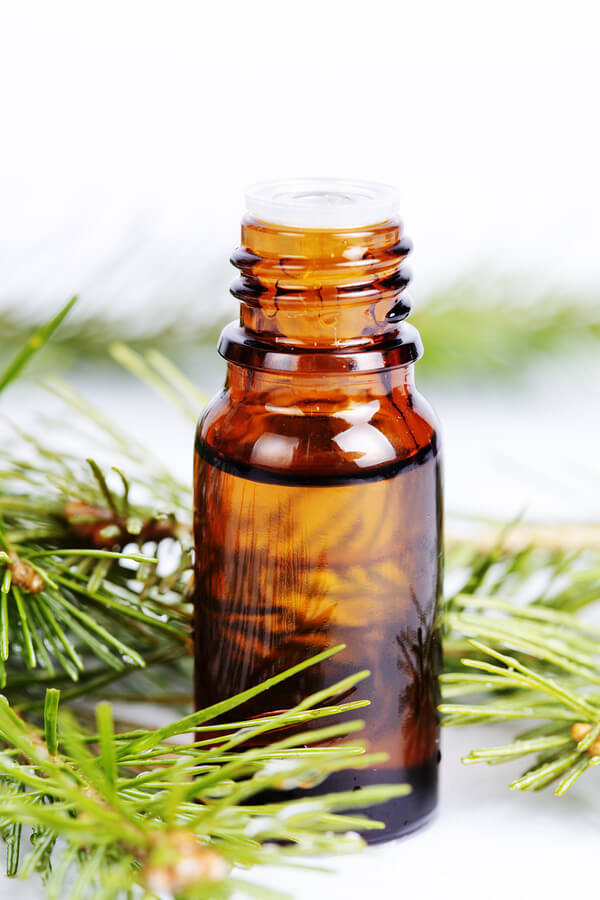
Pine essential oil may just have the affinities you need this time of year. Just like the tree it comes from, the oil is known for the qualities of humbleness, fortitude, and patience. Think about that as you look at your beautiful Christmas tree.
Ayurveda Doshas
Ayurveda teaches us that there we are comprised of 3 energetic life forces, or doshas. These control how our bodies work. They are vata dosha (space and air); pitta dosha (fire and water); and kapha dosha (water and earth). Everyone possesses a unique mix of these three doshas, and one is usually more predominate than the others. Some people believe that your health and wellness depend on the balance of your doshas.
As we enter the winter season, many areas are experiencing the cold, damp, and cloudy period of seasonal change. During the winter you may find that kapha is out of balance. You can have kapha imbalances any time of the year, but a more dormant lifestyle and heavier foods we eat around this time may contribute. Life events and the stress of the holiday can also throw off your kapha. On an emotional level, you may see increased sadness and decreased energy.
Results of Low Kapha
Ayurvedic teachings tell us that kapha’s role is to nourish. If in excess, your adrenal glands may become fatigued as we deplete healthy kapha. As kapha balance is diminished, this changes the rest of your systematic balance and can lead to poor immunity. As this cycle continues, the adrenal glands will start to draw from other organs in the endocrine system, such as your reproductive organs. In order to produce more cortisol, they “rob” steroid hormone precursors needed for the production of testosterone and estrogen. Glucose levels are also impacted as the pancreas tries to help the adrenal system keep up by providing blood glucose for energy demands. If the cycle is not broken, continued depletion may lead to thyroid disorders.
Aromatherapy as an Option
Aromatherapy offers many ways to break this cycle and restore balance. Opposites balance in Ayurveda: warm and dry qualities will balance the heavy, cold, and wet nature of excess kapha dosha. Thus, when using essential oils for reducing kapha, it is best to select oils that are spicy, warming, and slightly drying.
Try this kapha reducer blend. You can create a personal inhaler, make a massage blend, or diffuse the oils in the blend to help restore emotional balance and replenish your vital energy.
Kapha Reducer Blend Recipe
In a empty 5 mL glass bottle, combine the following oils and allow them to rest overnight:
For massage, use about 4-6 drops with a carrier oil of your choice and massage over the adrenal gland/kidney area of your back.
What oils do you use to help energize and restore balance?
Want to read more about how the season may be affecting your mood? Check out this post about Winter Blues. Also check out this relaxing Winter Bubble Bath recipe!
For even more great tips, recipes, and education about how to stay healthy and balanced this winter, come on and !
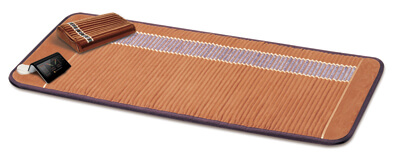
I’ve heard a lot about the Amethyst BioMat, and I have been curious. So I ordered one. After a long international trip, I sat on it. And although I really can’t explain why, I couldn’t seem to bring myself to get off of it for most of the day. It wasn’t just the comforting warmth; it was something I couldn’t quite put my finger on. So what did I do? I researched. Turns out there may actually be something to this thing that goes beyond the soothing warmth.
What is it?
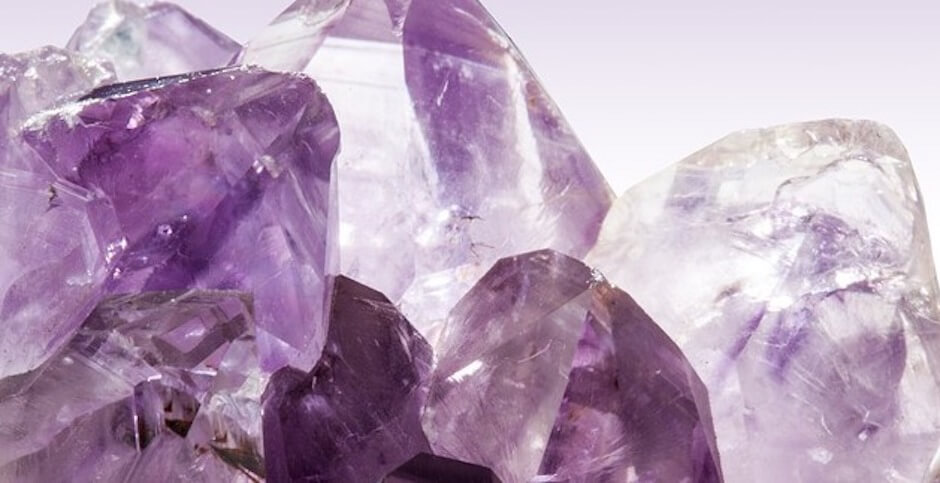
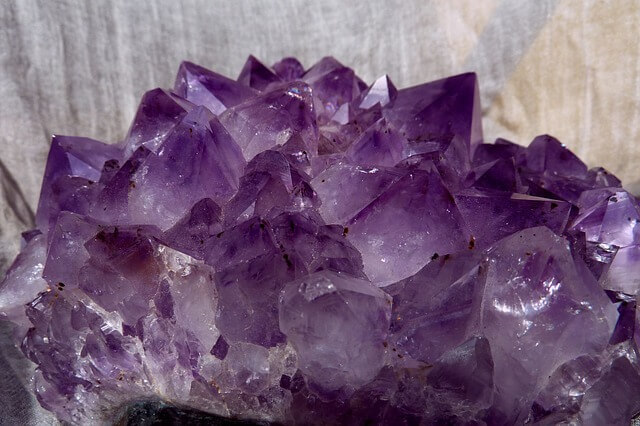
The Amethyst BioMat is basically a narrow mattress filled with pockets of smooth amethyst stones. When you turn it on, it sends a gentle heating current through the stones, which causes a release of negative ions and far infrared rays that penetrate deeply into the body. The FDA supports many benefits of laying on this mattress including an increase circulation and relief from:
Minor muscle pain
Minor joint pain and stiffness
Joint pain associated with arthritis
Muscle spasms
Minor sprains or strains
Minor muscular back pain
Reduces stress and fatigue
In addition, the company claims that the BioMat also :
Sooth and relax nerves
Strengthen the immune system
Improve sleep quality (if associated with pain relief)
Reduce inflammation (where applied)
Increase tissue oxygen (due to increased circulation where applied)
Ok, Here’s the Science
Far infrared spectrum therapy
Far infrared rays are light rays that have a similar frequency to natural sunlight, minus the harmful UV/UVB radiation. These rays penetrate deeply into the body, where they benefit muscles, blood vessels, lymph glands, cells, and nerves.
When infrared rays are absorbed into the body, they transform from light energy to heat energy and resonate through the body, similar to the sound and energy waves produced when striking a bell. This technology is used in far infrared saunas for various health benefits.
The premise is this thermal energy can further cause the dilation of blood vessels and capillaries, which promotes better blood circulation. Other benefits may include improved metabolism and perspiration, which may aid in the elimination of toxins, metabolic waste and other unhealthy materials such as urea, nitrogen, uric acid, sodium, and chlorine from the body.
There are not a lot of studies out there to prove the benefits of far infrared therapy. There is one study that suggests that far infrared treatment may be a beneficial complement to treatments for some chronic diseases, such as cardiovascular disease, diabetes mellitus, and chronic kidney disease. But as for the rest of the claims above, more research is definitely needed.
Amethyst Channels
The name Amethyst is derived from the Greek word ametusthos, meaning “not intoxicated”. Some people believe that the energy of amethyst stones helps with detoxification in the body. Amethysts may also encourage relaxation and relieve anxiety and stress.
In the BioMat, the amethyst stones act as conductors for the current of thermal energy that runs through the channels. They supposedly offer a steady delivery of far-infrared light waves, while further increasing the vibrational frequency to the body.
Negative Ions
Ions are molecules that have an electrical charge. Anions, or negative ions, are molecules with an extra electron. They are most prevalent in natural places, particularly around moving water or following a thunderstorm. Negative ions may affect us mentally, emotionally and physically in a positive way and offset the effects of positive ions.
Negative ions in our bodies
Two researchers won a Nobel Prize in 1991 for their work that explained the importance of negative ions in cellular function. According to their studies, negative ions help to purify and increase alkalinity of the blood. This results in an increased cellular function, which allows our cellular structure to not only open up to receive nutrition and hydration, but also allows the removal of cellular waste.
Negative ions in the air
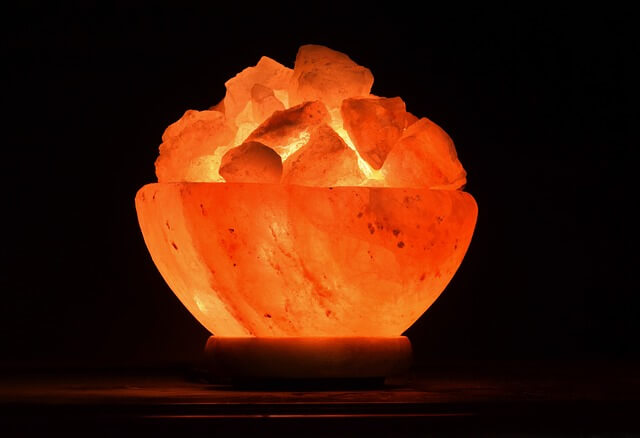
It is known that negative ions attract particles in the air, including dust, dander, mold, bacteria, odors, etc. In this way, the BioMat works like a Himalayan salt lamp to attract positively charged particles and neutralize them.
The Bottom Line
As an FDA approved Class II medical device, the BioMat benefits of far infrared therapy, amethyst stones, and negative ion treatments has some solid credibility. But from my own personal experience, the BioMat definitely promotes relaxation, grounding, and deep sleep.
Ready to try it?
Click here to order your own Amethyst BioMat or other products. There is a 7-day risk-free trial period, so what have you got to lose?
What do you think? Have you tried a BioMat?
For more health and wellness education, including essential oils, supplements, and other alternative therapies, come !
We use cookies on our website to give you the most relevant experience by remembering your preferences and repeat visits. By clicking “Accept”, you consent to the use of ALL the cookies.
This website uses cookies to improve your navigation experience. Certain cookies categorized as necessary are stored on your browser as they are essential for the working of basic functionalities of the website. We also use third-party cookies that help us analyze and understand how you use this website. These cookies will be stored in your browser only with your consent. You also have the option to opt-out of these cookies. But opting out of some of these cookies may have an effect on your browsing experience.
Necessary cookies are absolutely essential for the website to function properly. This category only includes cookies that ensure basic functionalities and security features of the website. These cookies do not store any personal information.
Any cookies that may not be particularly necessary for the website to function and are used specifically to collect user personal data via analytics, ads, other embedded contents are termed as non-necessary cookies. It is mandatory to procure user consent prior to running these cookies on your website.
Gut Health Impacts Your Overall Health In So Many Ways.
If you experience any of these conditions, it may be time for you to take a closer look at the health of your gut and microbiome:
Acne
Anxiety
Autoimmune Conditions
Brain Fog
Fatigue
Joint & Muscle Pain
Chronic Headaches & Migraines
This handout breaks down the 5 R's of Healing Leaky Gut to walk you through 5 steps to getting your gut health under control to experience better overall health.