
5 Tips to Help you Get Unstuck

We all have moments of fear, anxiety, worry, and frets. Sometimes it can feel like that fear takes over everything and our work, our self-care, and our big dreams for the future grind to a halt. In this moment, we have a choice. Stay paralyzed or get unstuck? Check out these five tips for getting unstuck.

Move Your Body

Exercise releases endorphins, and can help you to overcome emotional blocks. There is also evidence that exercise outside can do even more to shift the mental mindset. Brain-Derived Neutrotrophic Factor is released as well. Combined these brain chemicals increase euphoria, promoted happiness and fight stress.

Even beyond that, exercise changes brain plasticity. Plastic brains have the ability to shift and change and be nimble in the cerebrum. This allows the brain to learn, adapt, and recall more effectively.

Sleep
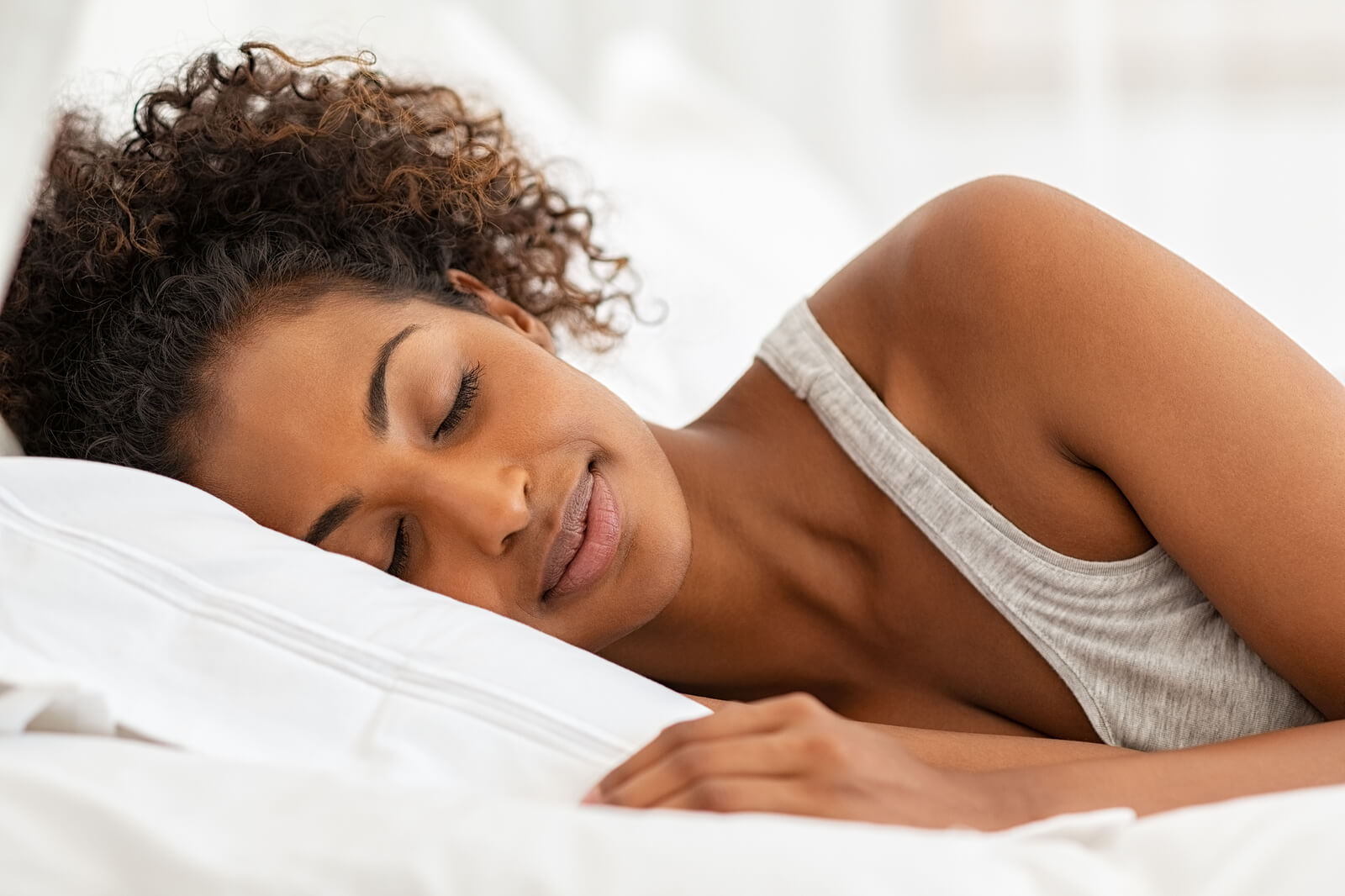
Beautiful young woman sleeping on bed in bedroom. African girl sleeping in her bed in the morning with eyes closed. Carefree black woman lying down on bed and dreaming.

Lack of sleep is one of the worst possible things that you can do to your body, and we don’t know exactly why. We honestly don’t even know what we have the need for sleep.

We do know that when we sleep, our brain shifts from day to day activities to archiving memories, creating connections between information packets in the brain, process and eliminating toxins.

Following a good night’s sleep, you may find that the task that seemed impossible yesterday all of a sudden seems doable. One simple and easy approach to get unstuck.

Meditate

Lord knows this is one of my go-tos. When you don’t feel inspired to get a project done, sit and imagine the project as already done. What does that feel and look like? Seeing it to completion makes it easier to get going. 

When you don’t meditate regularly, you create strong ventromedial prefrontal cortex, and this means that you are more likely to interpret physical sensations of anxiety and fear as a personal problem. This increases the risk of rumination and fixation on negative emotions.

But when you meditate, you have fewer connections in the ventromedial prefrontal cortex, and instead have connections in lateral prefrontal cortex. This allows us to process information more rationally. This makes us better equipped to deal with stress, anxiety, and danger. It also increases empathy and compassion.

Best of all, this happens with as little as 15 minutes a day. So the next time you need to get unstuck, just sit for a few minutes in quiet meditation.

Pray

If you don’t have faith in yourself to pull through a difficult situation or overcome an obstacle, you better have faith in something. Praying can help you gain perspective and realize your problems may not really be as big as they seem. It also helps to cultivate an attitude of gratitude instead of worry and fear. Focus your mind on the blessings in your life and ask for guidance to see how your gifts can impact others. That will provide you with all the motivation you need to move forward with renewed purpose!

Jam out to Your Favorite Song

Young beautiful woman holding smartphone and listening to music with wireless headphones. Cheerful smiling girl with red headphones changing music track on phone. Carefree urban teen enjoying songs.

When I’m feeling stuck or scared, I love to pick an empowering song and dance or sing. My personal favorites are Confident by Demi Lovato, old rap jams, and High Roller by Crystal Method.

But why does music help you to move past emotional and creative blocks. Music lowers brain wave frequency, and this allows creates the best possible scenario for learning new information, perform elaborate tasks, learn new languages, and analyze complex information.

Just Start

Even if it is just one small action, one action can get you going on a roll. Studies have shown that the simple act of making up your bed each morning can reduce levels of depression. One accomplishment leads to other accomplishments, and this helps to increase our confidence.

Starting with just one thing can also help you to prevent overwhelm. When you need to move past the stuck, just start.

Get over your need for perfectionism and just start.

We all get stuck. Success is, in part, how quickly you get unstuck.

More Tips for Getting Unstuck?

Want to read my favorite book about how you can turn the obstacle into the greatest thing that has ever happened to you? Trust me, The Obstacle is the Way.


Are you really ready to get your business unstuck? Apply to be a part of the next session of Brand Strategies Lab.


5 Unexpected Symptoms of Anxiety You May Never Have Heard Of

Most people think of anxiety as a collection of nervousness, tension, and restlessness. In reality, there are actually dozens of side effects of anxiety that have little to do with mental status. In fact, anxiety can have effects on every single body system. Here are five unexpected symptoms of anxiety that affect everything from your exercise routine to your reproductive status.

Your Skin is Irritated or Prone to Allergies

When we experience anxiety, the body produces cortisol and adrenaline. When there is too much cortisol, the immune system is suppressed. This leads to inflammatory responses on the skin.

People with anxiety have an increased risk for eczema, atopic dermatitis, rash, acne, psoriasis, rosacea, hives, and even hair loss. Feeling anxiety on the inside can show it on the outside. 

Organs Can Even Get Damaged

While anxiety is not a cause of high blood pressure, it does cause temporary, dramatic spikes in blood pressure. This is because cortisol is a fight or flight hormone that raises blood pressure and constricts blood vessels.

When spikes in blood pressure happen day after day, it can cause damage to the blood vessels, heart, and kidneys. This predisposes anxiety sufferers to heart attacks.

You May Struggle to Get Pregnant

A whopping 40% of women struggling to get pregnant or stay pregnant have anxiety, depression or both. Anxiety can lead to infertility, and the reason lies in how anxiety affects your stress hormones.

Cortisol lowers progesterone, and progesterone is a key hormone in maintaining pregnancy. When cortisol levels are too high, women may struggle of fail to ovulate or menstruate. Furthermore, normal reproductive hormones levels fall. High stress levels have even been associated with negative pregnancy outcomes such as pre-term labor.

More Unexpected Symptoms of Anxiety?

You Have No Motivation to Workout

People who suffer from anxiety are less like to exercise. This is no good because exercise has antidepressant and anti-anxiety effects, and protects against the harmful consequences of stress.  

You Hurt All Over

Anxiety is a risk factor for common aches and pains like muscle tension, back pain, soreness, and headaches. To make it worse, diseases like arthritis, fibromyalgia, and migraines cause anxiety too. Because of this, anxious people may feel more pain.

Pain sufferers dwell on the worst possible outcome, avoid movement and activities that could additional pain, and fret over their pain.

Anxious people become focused on pain and have a decreased ability to distract oneself from the pain. 

This creates a vicious circle that is hard to break.

But what about classic symptoms of anxiety?

Not experiencing any of these signs of anxiety? There are classical symptoms of anxiety.

Anxiety has been linked to a wide variety of mood changes. Symptoms can be mild like feeling irritable. At the worst, anxious people think about suicide and may even attempt suicide. Other symptoms include fear of the unknown, sleep problems, nervousness, fixation and worry.

Do you suffer from unexpected symptoms of anxiety?

Comment below with you favorite natural solution that keeps nervousness at bay.

Unsure where to start. Here are blogs that might help you stay calm no matter what. Check out this article on CBD and Emotions. Or perhaps settle in to the world’s oldest anxiety cure: meditation. Here is one with Palo Santo.

When all else fails, smudge the crap out of your environment and set things back to ground zero and start again.


Eye Yoga: Can it REALLY improve sight?

Back when I was in pharmacy school, I heard about training the eyes to help improve vision. I thought the guy was from another planet. Fast forward a few years, and the newly coined “eye yoga” was all the rage. But what is it? How do you practice? Where should you practice? And does it actually work?

What is eye yoga?

Eye yoga is practice of training the muscles around the eye. You first exercise and then relax the muscles. The practice reduces eye fatigue, improves eyesight, improves proprioception, strengthens the lens of the eye, and maintains healthy eyes.

How exactly do you do eye yoga?

The movements may involve exercises that move the eye around a clock, to the left and right, diagonally, or up and down.

It is important to follow periods of activity with periods of rest. Rest the eyes by palming the eyes or blinking. Palming is done through rubbing your palms together and then cupping one palm over each eye to relieve tired eyes. Blinking is the practice of blinking 10 to 15 times with ease. This may help to to improve dry eye associated with the poses.

After all exercises, take a moment to cup closed eyes in the palms of the hands. Massage around the orbit of the eye. Then blink repeatedly to allow the muscles to relax.

Where can I practice?

Practice anytime that you aren’t using your vision to focus. You can really practice anywhere at anytime! In the car (while not driving!), at your desk, or in the bed are great places to practice eye yoga.

As with any wellness routine, the easiest way to incorporate the practice is daily. Use eye yoga as a part of your morning and evening wellness routine.

Challenge your eyes to move in different directions. Following activity, allow eyes to relax. This helps vision to stay sharp and focused.

Do the “poses” improve eye health?

One clinically proven benefit of consistent practice is reduced eye fatigue. Exercises also strengthen muscles around the eye, bring moisture to the eye, and may strengthen lens tissue.

Eye yoga can be a safer form of yoga for people with eye diseases like glaucoma. Some traditional yoga poses increase pressure in the eye, and this is risky for people with eye disease.

When is the best time to practice?

Practice eye yoga when you are comfortable and relaxed. Practice after long hours at the computer, extended studying, or when resting on long road trips.

The practice is particularly effective when your eyes are very tired. Practice in an environment where the room is dark. Allow your eyes to relax and solely focused on the practice of eye yoga.

Ready for more yoga?

Head here and check out this video about yoga nidra. This is the yoga of sleep, and anyone can do it no matter how new to yoga.

Spending a long day in front of the computer? Check out these glasses that protect your eyes during substantial screen time.

10 Ways to Use Hyssop Essential Oil

Hyssop (Hyssopus officinalis) is a small evergreen shrub with purple-blue flowers. “Hyssop” comes from the Hebrew word ezob, which literally means “holy herb”. When thinking about hyssop essential oil, the word that comes to mind most is purifying. In historical times, this oil was used for purification and spiritual cleansing of temples and other sacred places. Let’s explore 10 ways to use hyssop essential oil that extend far beyond just purification.

Why the Child-Proof Cap?

People ask me all the time why certain essential oils have child-proof caps. In the case of hyssop, the extra precaution is because of the chemical constituent pinocamphone. In fact, hyssop contains up to 65% pinocamphones. When isolated, this constituent may have convulsant effects and may trigger seizures in both epileptic and healthy individuals. Additionally, there may be some concern for those with high blood pressure.

However, keep in mind that this somewhat rare constituent is responsible for many of the beneficial properties of this essential oil as well. As with any other essential oil, if you feel unsure about using hyssop, do your research and only use those you are comfortable with.

Now that we’ve cleared that up. . .

Let’s move on the to 10 ways to use hyssop essential oil!

Beauty and Hygiene

Cleanse the Skin

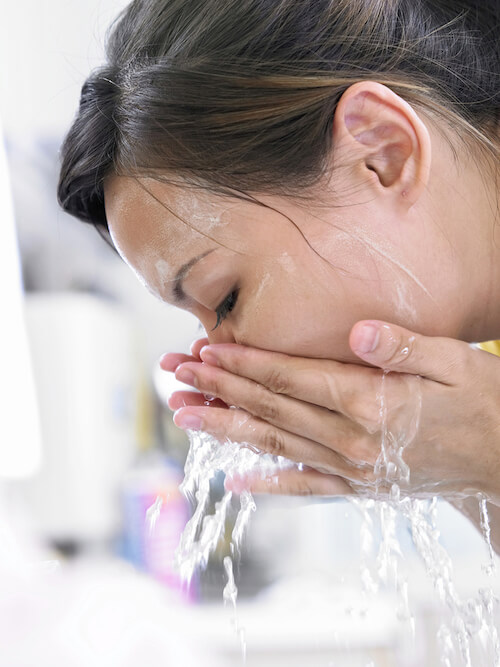
Here we go with purification. Hyssop is wonderful when added to facial cleansers and moisturizers. It may help improve complexion and encourage skin cells to regenerate, thus diminishing the appearance of fine lines and scars.

Health

Soothe the Respiratory System

Have a cough you just can’t seem to kick? Try diffusing hyssop essential oil. The chemical constituents can soothe spasms and calm your airways and also help make that pesky cough a bit more. . .ahem. . .productive.

Gently Cleanse Minor Abrasions

Hyssop is in the same family as lavender, and is mild and gentle, yet powerful at stimulating the body to heal. Apply a bit of diluted hyssop to minor cuts, burns, and scrapes to soothe and speed your body’s natural response.

Relieve Embarrassing Digestive Complaints

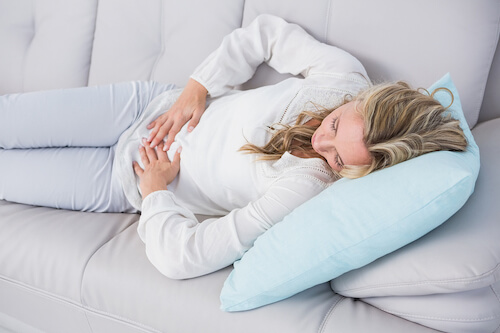
If you suffer digestive complaints, such as indigestion or flatulence, hyssop to the rescue. It may stimulate the natural production of digestive secretions to aid in more efficient digestion. This spells relief from gas and other indigestion symptoms.

PMS Relief

Those same anti-spasmodic properties may also help relieve cramping. For a recipe using hyssop and other blends to bring relief from PMS complaints, check out this post.

Just Relax

Studies show that hyssop may be an effective muscle relaxer. After a stressful day or a hard workout, try this soothing blend in a warm bath to ease the tension away: 4 drops hyssop, 4 drops lavender, 2 drops frankincense.

Emotions

Remove Emotional Hurdles

In Psalm 51, King David speaks of using hyssop to overcome his remorse and guilt. This spiritually purifying essential oil may relieve feelings of past regrets and help you move forward with positivity.

Spiritual Cleansing

Not only can hyssop help cleanse the person, but many people also use it to cleanse their homes. Historically, hyssop has been regarded as a protective oil used for consecrating holy places. Some people believe it clears negativity and promotes spiritual well-being.

Think Clearly

Hyssop has a crisp aroma that can stimulate clarity of mind for finding one’s purpose. In this way, it can enhance creativity and inspire personal growth and mental endurance.

For Your Pets

Calm Pet’s Anxieties

Just as hyssop can help people overcome their past, it may also be effective for helping a pet overcome stressful memories or history of abuse or neglect. If you’ve adopted a shelter pet, try diffusing hyssop to alleviate some natural fears and hurdles from past negative experiences. Check out this post to learn more about essential oils that calm pets.


If you love learning new ways to use essential oils, check out THIS POST for a list of all of my posts about ways to use specific essential oils!