The Difference Between CBD and THC: What you need to know

The legalization of recreational and medicinal marijuana is such a hot topic. Currently 11 states allow the recreational use of marijuana, while a whopping 32 states allow it for medicinal purposes. It seems that everyone is touting the benefits and trying to get their hands on this supposed miracle drug. In reaction to the demand, CBD is now widely available in many forms, from creams and pills to gummy bears and even dog treats. But what’s the difference between CBD and THC? Can CBD get you get high or show up on a drug test?

So What are THC and CBD?

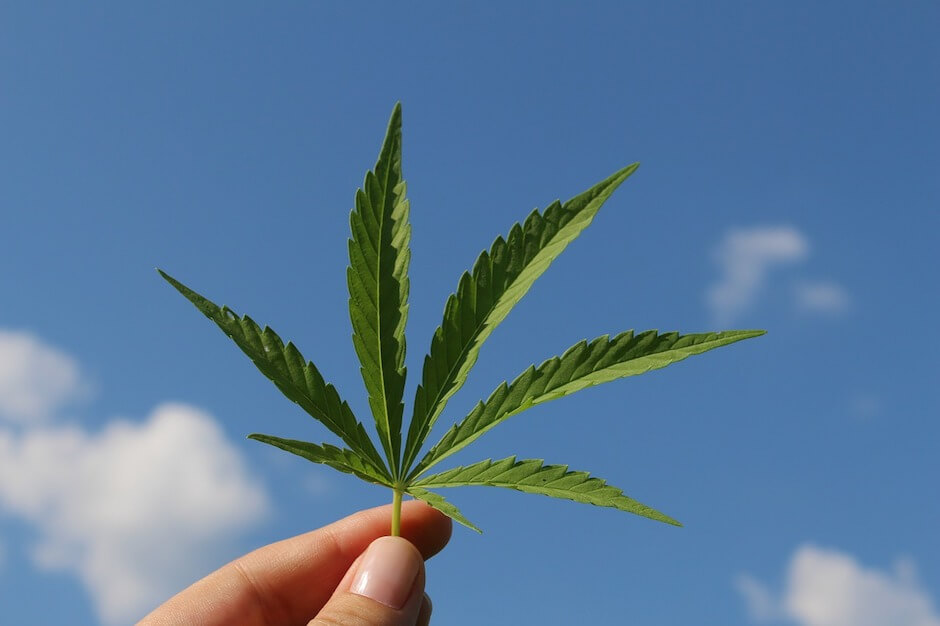
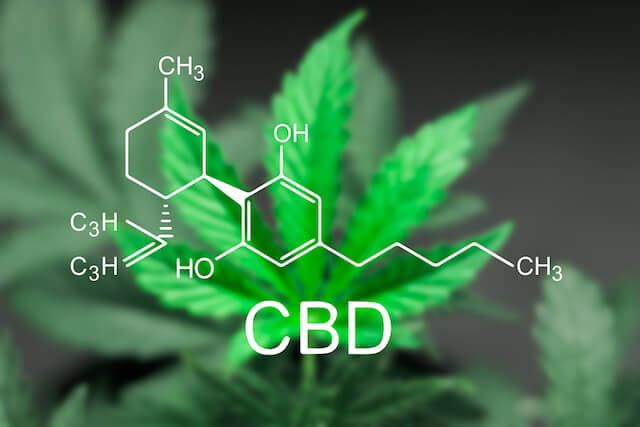
Tetrahydrocannabinol (THC) and cannabidiol (CBD) are the two primary cannabinoids that come from the cannabis plant (Cannabis sativa). They actually have the exact same chemical formula (C21H30O2) with slightly different structures, making them isomers. This leads many people to believe that they have the same attributes and behave the same way. This is simply not true. Let’s look at the details.

The Science of Cannabinoids

The endocannabinoid system (ECS) plays a regulatory part in a variety of physiological and cognitive processes. A cannabinoid is a compound that interacts with the ECS via receptor sites. There are 2 receptors in this system: CB1, and CB2. The difference between theses two receptors is important to the understanding of how cannabinoids affect our bodies.

CB1

These receptors exist mainly in the brain, particularly in the substantia nigra, the basal ganglia, limbic system, hippocampus and cerebellum. They are also expressed in the peripheral nervous system, liver, thyroid, uterus, bones and testicular tissue. Their function is to mediate neurotransmitter systems that involve dopamine, gamma-aminobutyric acid (GABA), glutamate, serotonin, noradrenalin and acetylcholine. If that sounded like Greek to you, it basically means that they affect functions such as cognition, memory, motor movements and pain perception.

CB2

These receptors are mostly expressed in immune cells, the spleen and the gastrointestinal system, and to a smaller extent in the brain and peripheral nervous system. Recent studies reveal that CB2 may also play a part in the regulation of inflammation in the body.

How they interact differently in our brains

Both THC and CBD are cannabinoids. Both interact with receptor sites in the brain, but in different ways.

THC makes a person feel high by binding to CB1. It fits snugly into a special pocket – an “orthosteric” binding site – on the receptor. The image of lock-and-key is apropos for orthosteric binding: THC, the molecular key, fits into the CB1 receptor lock and turns it on, which triggers a signaling cascade on a cellular level that inhibits the release of other neurotransmitters (thereby protecting the brain from too much excitation). It’s one of the many reasons why THC is such a remarkable therapeutic substance. When tetrahydrocannabinol binds directly to the CB1 receptor, it causes a release of dopamine, which creates the opioid effect of getting “high”. This causes feelings of euphoria, alterations in perception, decreased inhibitions, and other effects.

Since the CB1 receptor was discovered in 1988, it’s been an article of faith among cannabinoid researchers that CBD, unlike THC, has little binding affinity for CB1. But this notion is based on old science.

New data emerging from the international cannabinoid research community indicates that CBD interacts directly with the CB1 receptor in ways that are therapeutically relevant. But CBD parks at a different docking site on CB1 that is functionally distinct from THC’s orthosteric binding site. CBD attaches to what’s known as an “allosteric” binding site on the CB1 receptor.

When cannabidiol docks at the allosteric receptor, it does not initiate a signaling cascade. But it does impact how the CB1 receptor responds to stimulation by THC and the endogenous cannabinoids. Allosteric modulation of CB1 changes the conformation (shape) of the receptor, and this can have a dramatic impact on the efficiency of cell signaling.

Scientists at the University of Aberdeen in Scotland have synthesized a positive allosteric modulator of CB1 to treat pain and neurological disorders. When researchers at Virginia Commonwealth University tested the compound on mice, this experimental drug, known as “ZCZ011,” had no psychoactive effects of its own, but reduced neuropathic and inflammatory pain by boosting the CB1 receptor’s response to anandamide, an endocannabinoid compound.

Interestingly, CBD not only fails to bind to the CBorthosteric receptor, many studies show that it actually blocks the effects of THC on this receptor when the two are taken together. So you can’t get high from taking CBD.

Drug Testing
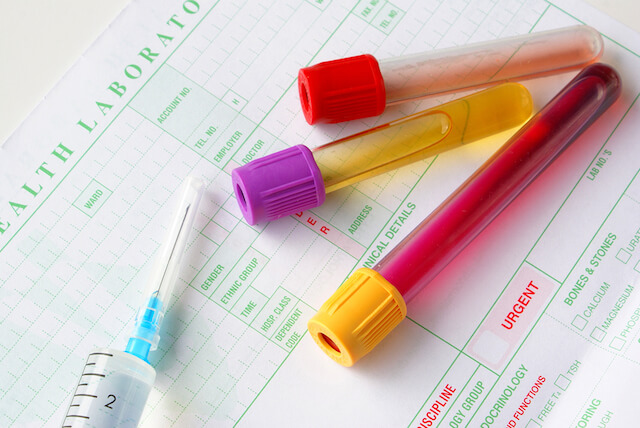
Routine drug tests are necessary protocol for some workplaces. The majority of drug tests follow a similar 5- or 10-panel screen. Both of these models test for the presence of THC, but not CBD. So yes, if you use CBD, it could show up on a blood or urine drug screen, just as could any other medicine or supplement you use. But most drug tests are simply not designed to look for it.

For more education about CBD, check out CBD vs. Copaiba.


Looking for even more natural health and wellness education? You’ve come to the right place! For access to the full essential oil encyclopedia, check out !

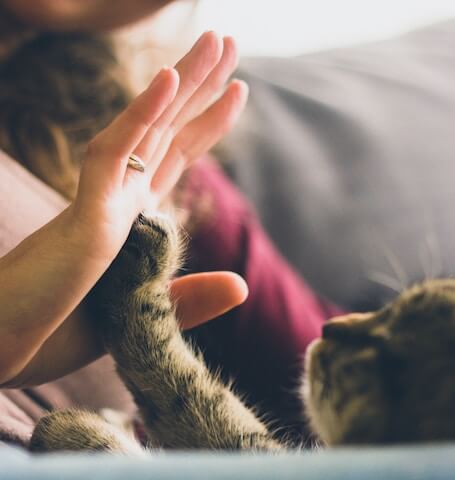
Here Kitty, Kitty: 5 Ways to Avoid Killing Your Cat

Confession: I’m not really a cat person. But I get that owning pets offers companionship to lots of people. And there are actually scientific studies that show that cats help reduce stress levels and promote a better sense of well being and health. I’m all for that. So let’s talk about some simple ways to keep your beloved feline friend healthy and alive.

Use caution if you self-medicate your cat.

With the side effects of many veterinary medications, you may have an urge to look to natural alternatives for treatment and preventative care for your cat. The idea sounds great until you start looking up adverse reactions to herbs in cats. The list is long, people. Do your research, or better yet, consult a veterinarian before giving your cat preparations that are intended for humans.

Don’t feed your cat people food.

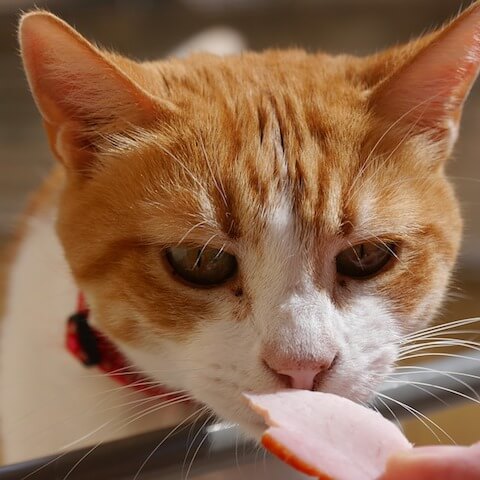
Cats’ digestive systems are not the same as ours, and some seemingly innocuous foods can actually be toxic to cats. Here is a rundown of some of the most dangerous foods for cats.

  • Onions and garlic – This includes onion or garlic powder. So if you want to feed your cat table scraps, 86 the seasoning.
  • Avocados – I am not sure why anyone would give a cat avocado in the first place. Sorry Tigger, no guac for you.
  • Chocolate and other caffeinated products – This one is pretty serious. Chocolate contains the alkaloid theobromine, which cats are unable to metabolize. The darker or richer the chocolate, the more dangerous it is.
  • Ethanol from alcoholic beverages. Cats can’t metabolize even the smallest amount of alcohol. So while it may be tempting to share a glass of wine with your favorite purring companion, just say no, kitty. Just say no.
  • Grapes and raisins – These can cause severe kidney failure. Find something else for Cuddles to snack on.

Help her stay fit.

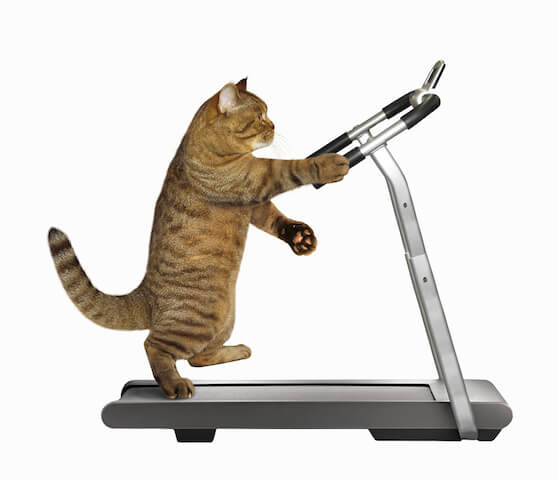
Obesity in cats greatly contributes to a shortened lifespan. There aren’t many ways to encourage adequate exercise with a cat. So especially if you have a lazy or older cat, do your part by closely monitoring her diet to keep her fit. Go easy on the treats, as they tend to be higher in fat and calories.

Spay or neuter.

Not only does spaying and neutering help keep the stray population in check, studies show that sterilization actually promotes a longer lifespan. One study reported that neutered male cats live an average of 62% longer than unneutered male cats, while spayed female cats live an average of 39% longer than unspayed female cats.

Brush him regularly.

Every cat owner knows the horror. Sweet little Garfield is sleeping peacefully on your bed. But suddenly, he jolts up, retches convulsively for few moments, and hacks up a damp clump on your favorite bedspread. What he has just disgorged is a trichobezoar; a wad of undigested hair commonly referred to as a hairball. Blech. Usually this is harmless and normal—albeit disgusting—for your cat.

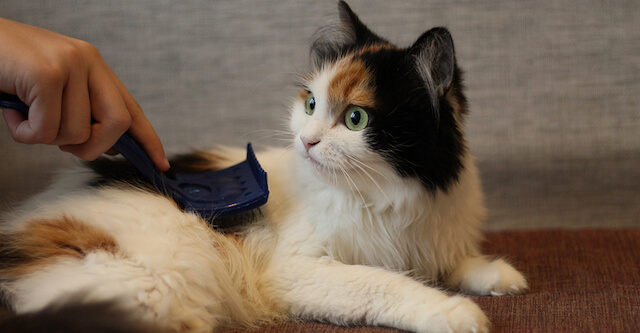
However, a hairball can pose a serious threat it if gets too large to pass through your cat’s narrow sphincters leading either from the esophagus to the stomach or from the stomach to the intestinal tract. And if a hairball does manage to make its way into the small intestine, it can become lodged there. You can help keep your cat’s hairballs to a minimum by regularly brushing his coat to remove lose hair. Bonus for your bedspread too.

Do you love cats?

Share your insights about how to promote a long and healthy life for your furry friend.

You may also be interested in Essential Oils and Cats: Are they all doomed?

Holiday Brain: 8 tips to ease your way back to work

We all enjoy a break from work. Whether it’s the holidays, a quick weekend getaway, or a family vacation, these breaks help us to stay refreshed to forge ahead in our daily work lives. But do you ever feel like you need a vacation from your vacation? If you are like me, it can take several days or even a few weeks after a vacation to get into in the swing of things. So how do we overcome this and get back to the grind? Here are a few tips for easing back to work after vacation.

Plan ahead.

Before you leave for a vacation, set yourself up for success. Schedule an out-of-office response for your email account. You may even consider “padding” the date in your response to allow yourself time to get to the most important tasks first. If people aren’t expecting a reply until Tuesday, they won’t be disappointed if you actually get to their message on Monday.

Make a prioritized list of running projects before you leave. When you come back and feel like your brain is fried, you won’t have to think about where you left off.

Leave your work area tidy. An organized workspace allows you to focus clearly without distraction.

Take small bites.

If you face a seemingly insurmountable mountain waiting for you when you return to work, it’s important to approach it systematically. Accept that you will not get caught up by Monday at noon. Evaluate the stack of to-dos and prioritize the top 2 or 3 things you must accomplish first. Then begin chipping away at one thing at a time. Trying to multitask too many things at once drastically lowers productivity and can lead to overwhelm in a heartbeat.

Schedule in some self care.

Go easy on yourself. Acknowledge the post-vacation blues and allow yourself time to readjust. Take a walk during lunch, schedule a yoga or exercise class, or indulge in a soothing bath after work. The point is to do something to pamper yourself as you make the transition back into your work life.

Sleep.

Be prepared by making sure you get adequate rest. If your vacation ends at 10 p.m. on Sunday, don’t expect to be energized at 6 a.m. Monday morning. It’s ideal to resume your regular bedtime and wake up hours a day or two before you actually return to work.

If you work from home or have a lot of flexibility, you may even consider taking a power nap during the day. Set a goal to accomplish a certain amount of work, and reward your progress with a quick snooze. Studies show that napping has so many benefits, from increasing productivity, reducing depression, improving brain function, and helping the body ward off a whole host of illnesses.

Take a meditation break.

Even if you don’t have the luxury of napping during the work day, you can at least spend a few minutes “shutting down”. Find a quiet place or put on your headphones with some calming music and allow your brain to be still. A few minutes of meditation can help combat stress, anxiety, depression, and increase efficiency at work.

Take a grace day.

Ok, this one might not be feasible for everyone. But if you are able to plan your vacation to end a day earlier than you have to actually return to work, it can go a long way to easing your transition. Use your grace day to run errands and rest up before returning full swing. Check your calendar for the week ahead to mentally prepare for meetings and deadlines. Focus on prioritizing and getting into the mindset of going back. 

Delegate.

Look for places where you can ask for help. Offloading some of the smaller, nagging tasks that distract can help you stay focused on the tasks at the top of that priority list.

Allow time for socialization.

Yes, you read that right. When you return for vacation, plan time to reconnect with friends and coworkers that you haven’t seen in a while. Go to lunch or happy hour with a group of coworkers. This study shows that good morale and socialization in the workplace has a direct correlation to job satisfaction and productivity.

To learn more about the importance of sleep and stress reduction, check out this post.


Want more guidance on how to grow a business at home? Join Brand Strategies Lab.

Winter Wellness: 3 roll-on recipes to try this season

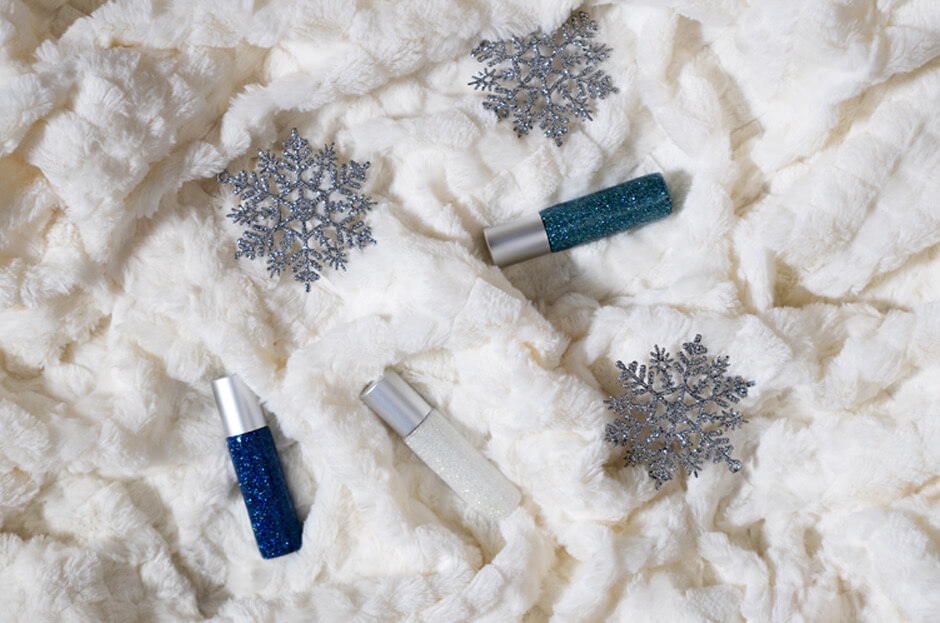
Wintertime means falling snow, crackling fires, and warm mittens. Unfortunately it also means runny noses, seasonal blues, and that phenomenon that makes you just not wanna get out of bed in the morning. Here are three of my favorite winter roll-ons to help me deal with the setbacks of winter.

General Instructions

  1. Combine essential oils listed in a 10 mL roll-on bottle. My absolute faves for winter roll ons are the twinkle trio from Whimsy and Wellness.
  2. Add crystals to your rollers for an enhanced effect.
  3. Top off with a neutral carrier oil, such as sweet almond oil or fractionated coconut oil.
  4. Roll on throughout the day as needed.

Immune Support

Keep your immune system strong to avoid winter illness.

Sunshine in a Bottle

Fewer hours of sunlight and cold weather keeps us indoors more in the winter. This can lead to decreased energy and vigor. Beat the winter blues with this uplifting winter roll on.

Wake the Bear

When you are warm and cozy under your blankets, the struggle of getting out of bed in the winter is real. If you need a little hibernation prevention, try this winter roll on blend for a quick perk up.


For another great winter DIY, check out this Winter Bubble Bath recipe.