
Choosing a Probiotic Supplement: What you need to know

Probiotics are gaining increasing attention as more and more data recognizes that optimal health starts in the gut microbiome. People around the world tout the myriad of health benefits of fermented foods and probiotic supplements. Therefore, the market is flooded with options for the consumer. So how do you choose a probiotic? My friend and colleague, Melody L. Hartzler, PharmD of Pharm To Table, graciously agreed to write an article about the different strains of bacteria we find in probiotics.

The Goal of Probiotics

A common definition of probiotics is “a live microbial feed supplement which beneficially affects the host by improving its intestinal balance.” Note that BALANCE is one of the key words in the definition. The goal of probiotic supplements is to achieve balance as opposed to treating or curing ailments.

How do probiotics maintain balance? They do so by:

  • Helping us digest nutrients;
  • Suppressing harmful bacteria;
  • Making vitamins for vital functions within the body.2

There are two major genus of bacteria within these supplements: Lactobacillus and Bifidobacteria. Lactobacillus are lactic acid-producing bacteria found in cheese and yogurt,3-6 whereas Bifidobacterium temper the growth of harmful bacteria and contribute to a lower pH within the gut. Additionally, Bifidobacterium may help with diarrhea prevention, lessening of lactose intolerance, and even immune system modulation.7,8

Similarly to other living things, scientists use a three-name taxonomy system of classification for bacteria. The first name is broad, termed genus, followed by a more specific name called species. Bacteria also have a strain number that further specifies the exact kind of bacteria. 

Additionally,  probiotic supplements often include a prebiotic blend. Prebiotics differ from probiotics in that they are the starting materials. They feed beneficial bacteria and create an environment for them to thrive. A more specific definition is “a non-digestible food ingredient that beneficially affects the host by selectively stimulating the growth and/or activity of one or a limited number of bacteria in the colon.”1

Choosing a Probiotic Supplement

The need for high-quality supplements is three-fold.

  1. First, knowing exactly what is in a supplement prevents excess fillers that could contribute to unwanted reactions.
  2. Secondly, stability of probiotics and prebiotics ensures the survival of strains in the harsh environment of the stomach.
  3. Finally, because most probiotics are labeled dietary supplements, they do not require FDA approval. This means manufacturers may be less stringent with their product standards. In order to get the best results from your supplement, it is important to know and trust your manufacturer to provide a stable and pure product.

Although strains of the same species likely have similar effects, controversy over this assumption exists. This is because some studies have shown different strains – even from the same species – produce different effects.9  The data summarized below include selected functions of several species of probiotics and prebiotics and rather than being specific to a particular strain.

Functions of Bacterial Species

Bacterial SpeciesSelected Functions
Bifidobacterium breve Induces lower stress response in animal models.10
Bifidobacterium lactis Preventive properties on acute
colitis and colon cancer.1
Bifidobacterium longum Demonstrated “better learning and memory” suggestive of “positive impact on cognition”. 11 Interacts with other gut bacteria to produce vital nutrients. 12
Bifidobacterium infantis Displays anti-inflammatory activity in intestinal cells. Decreases intestinal permeability (“leaky gut”). May decrease risk of necrotizing enterocolitis in premature infants. Associated with increased vaccine response. 13
Lactobacillus acidophilusImproves vaginal microbiome. 14Demonstrates antifungal activity against common molds. 15Consumption for 12 weeks positively affected cognitive function and metabolic statuses in Alzheimer patients. 16
Lactobacillus paracasei Antagonistic effects against foodborne pathogens.8
Lactobacillus plantarum
Prevention of toxins produced witin the gut & antifungal activity. 15,17
Lactobacillus rhamnosusStimulates immune system
with antibacterial activity against
intestinal pathogens.Lessened severity of symptoms of blood
infections after administration of pathogenic bacteria in an animal model.19 Decreased intestinal permeability and endotoxemia induced by alcohol.20
Lactobacillus salivarius Inhibits inflammation markers on
intestinal surface cells.21 
Streptococcus thermophilus May improve utility of
intestinal bacteria and lactose
digestion in lactose intolerant
individuals; produces high quantity of folate.23 
Goji berry
(Lycium barbarum) fruit fiber  
Anti-aging, antioxidative, anti-
fatigue, anti-inflammatory, and
immunomodulating effects.23
Fructooligosaccharides Stimulates growth of healthy gut
bacteria in children.24

References

This post was written by Ruth J. Gunti, Pharmacy Student at Cedarville University and Melody L. Hartzler, PharmD of PharmToTable.Life.

Make sure to check out her blog and follow her @PharmToTable.Life on Instagram and Facebook.


Click here to learn more about the Health Benefits of Probiotics!

Health Benefits of Himalayan Salt Lamps

Himalayan salt comes from the Khewra Salt Mines in Pakistan. The salt mountains are over 500 million years old and contain a bounty of minerals from an evaporated inland sea. People have mined the salt for its benefits since the 1800s. Himalayan salt is widely used to flavor food, and more recently, to make salt lamps. Let’s have a look at the potential health benefits of Himalayan salt lamps.

They’re Pretty

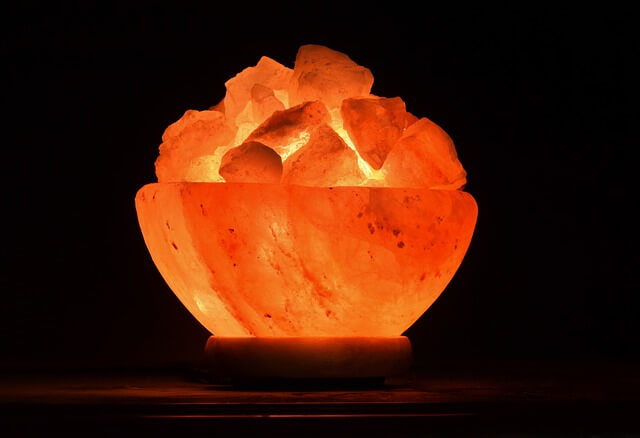
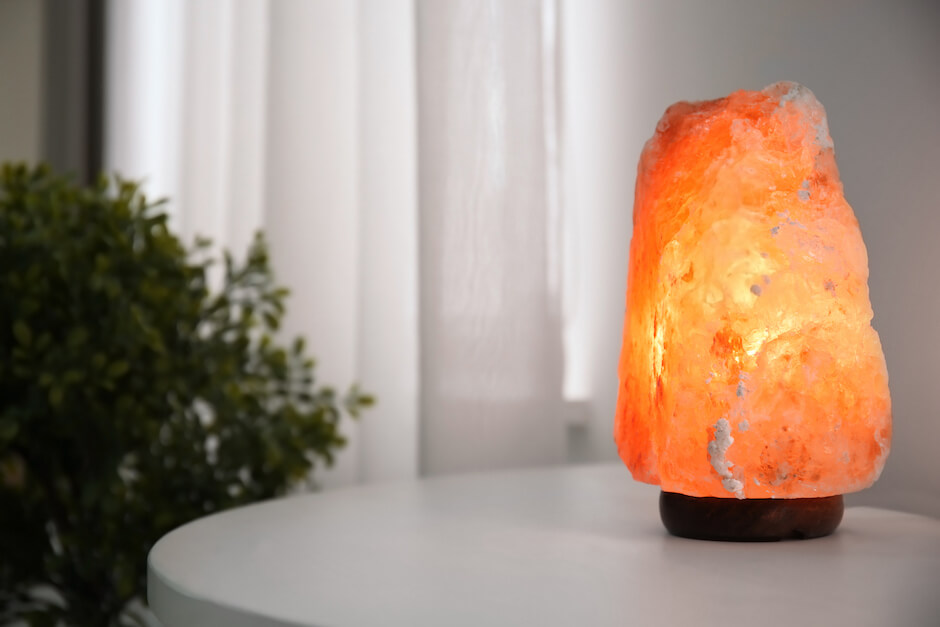
One obvious reason people love salt lamps is because they create a comforting gentle glow. The mineral content of the salt gives it the characteristic pink-orange hue. Because no two blocks of salt are exactly the same, they are a unique conversation piece and can lend a sense of warmth to any space.

Health Benefits?

In truth, there is literally no credible research about the benefits of consuming Himalayan salt nor the benefits of using a salt lamp. But hey, there aren’t a ton of research articles on things like the benefits of natural supplements and essential oils either. There are so many natural therapies that I wholeheartedly believe in that do not have significant research. It doesn’t mean they don’t work; it simply means it hasn’t been thoroughly tested. So I present here the theories behind these lamps and I’ll leave it to you to draw your own conclusions and make your own decisions.

It’s All About Ions

Ions are everywhere and – whether you are aware of them or not – there is a good chance they affect the way you feel and quite possibly your health as well.

Positive ions, or cations, are electrically charged atoms formed by the loss of one or more electrons. They are formed by pollution, dust, electrical storms, fluorescent lights, cell phones and other electronics, air conditioners, televisions, microwaves, etc. An excess of positive ions in your environment may contribute to a lack of energy, anxiety, and irritability. Additionally, positive ions in the air may be a significant contributing factor to respiratory issues as well as migraines and mood disorders.

Negative ions, or anions, are the opposite of positive ions. They have a strong negative charge, which causes them to statically attract airborne particles like dust, mold spores, pet dander and other floating particles. When they attach to these pollutants, they give them a negative charge and cause them to fall to the nearest surface. Supposedly, negative ions can clear even bacteria and viruses circulating in the air of your home.

Increasing Negative Ions

Negative ions exist abundantly in nature, especially near sources of crashing water. This is one reason you may feel so refreshed and revitalized after a walk in the woods or near a natural water source. Waterfalls, ocean waves, and thunderstorms are natural generators of negative ions.

Salt lamps offer another way to potentially increase the proportion of negative ions in your home. Negative ions in a room attach to and remove undesirable positive ions in your air.

Salt is hygroscopic, meaning it attracts water molecules from surrounding air. The salt lamp attracts water vapor and its attached pollutants, such as pollen, dust, animal dander, spores, etc. As the water vapor dries on the lamp, these particles remain on the lamp while water is evaporated back into the surrounding air. The particles remain trapped on the salt or fall to the surface to be wiped away.

What to Look for

Check for purity

There are a lot of fake salt lamps out there. Be sure you purchase a genuine Himalayan salt lamp.

Proper wattage

The size light bulb really depends on the size of your lamp. Just make sure the lamp gently heats up when lit. It should not be hot enough to burn but should definitely be noticeably warm to the touch.

Size

Purchase a lamp to suit the size of room in which you want to use it. A general rule is 1 pound of salt per 16 square feet.

What do you think?

Have a salt lamp and love it? Or are you a skeptic? Comment below with your experience or opinion.

Ready to purchase?

Click here to enjoy the health benefits of Himalayan salt lamps!


6 Blends to Perk Up Your Spring

I love creating my own essential oil blends. Having an assortment of blends ready to go makes them so convenient, and they make great gifts too. Here are a few springtime blends you can use to CRUSH this season!

Check out Whimsy and Wellness for some of my favorite roller bottles and cute labels!

Clear the Air Roller

Spring brings with it all kinds of pollen that can irritate airways. Try this blend to ease some of these seasonal discomforts.

Combine all ingredients in a 10 mL roller bottle.

Mindfulness Roller

Sandalwood and frankincense are two of my favorite oils to use during meditation. They help with being centered and focused while quieting the mind. The tangerine in this recipe adds a fresh burst and awakens the spirit.

Combine all ingredients in a 10 mL roller bottle.

Soothing Relief Roller

Calendula oil is very soothing and healing to the skin. Combined with the moisturizing and protecting quality of jojoba oil as well as the essential oils, this blend is great for sore, tender skin. Apply it to any itchy or inflamed areas for soothing comfort.

Combine all ingredients in a 10 mL roller bottle.

Calm the Soul Roller

Springtime is a busy time for many, especially moms with kids in school, school teachers, and others who face a myriad of commitments this time of year. Toss this roll-on in your purse and keep centered and calm during the busy-ness of spring.

Combine all ingredients in a 10 mL roller bottle.

Task Master Diffuser Blend

This diffuser blend is great for the after school or after work hustle and bustle. Help the adults in your family stay alert and positive, and give kids a boost during homework time.

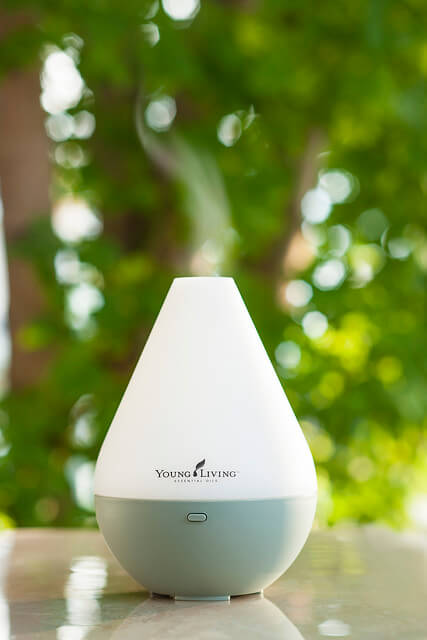
Combine all oils in a diffuser, add water, and diffuse in the busiest room of your home.

Recharge Personal Inhaler

Use this blend at bedtime to promote restful sleep and help you recharge for a productive tomorrow! This is especially good to bring with you while traveling.

In an empty 5 mL bottle, add your essential oils and allow to combine overnight. The next day, insert the cotton pad from the inhaler and allow it to absorb the oils. Assemble the inhaler and it’s ready for use.

Thanks so much to my friend, Julie Folger, for contributing these recipes. Check her out on Facebook!


Want more DIYs for springtime? Check out this post about Spring Cleaning DIYs!

For even more great education about essential oils and natural health and wellness, come and ! Your first week is always free!

8 Ways to Use Vetiver Essential Oil

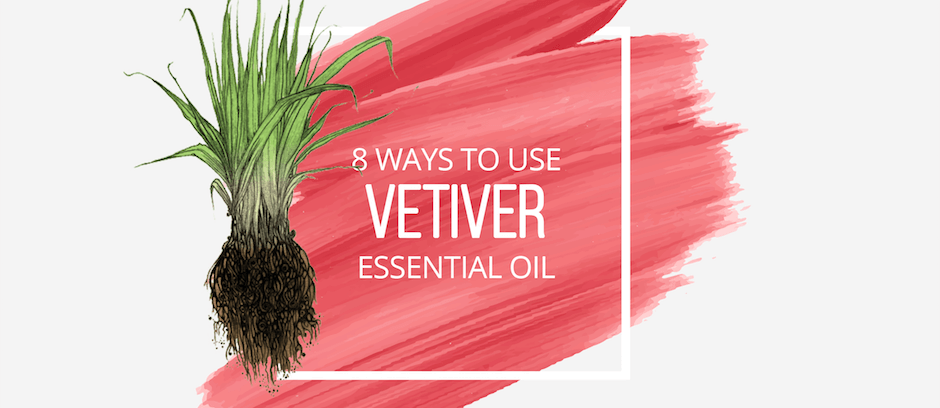
Vetiver connects us to the earth’s energy. Distillation of the roots of vetiver grass give the oil an earthy fragrance that helps to support those who have lost touch with the earth and their roots. Vetiver is a viscous oil with a sweet, woody, earthy, aroma reminiscent of roots and wet soil. For centuries, this tall, hardy grass has been used to create fans and other woven articles. It is known in India as the oil of tranquility. Read on to learn 8 ways to use vetiver essential oil.

Skincare

Many skincare implements contain vetiver. It adds value to a skincare program for its ability to create an environment that is unfriendly to microbial activity. Additionally, vetiver contains a high concentration of antioxidants, which protect the skin and help prevent signs of premature aging. Simply add a few drops to your toner or moisturizer or use to spot-treat problem areas.

In the Garden

Vetiver contains sesquiterpene acids which may be useful for suppressing nematode populations in soil. Try mixing several drops of vetiver into your fertilizer or other soil additives if you have an issue with nematodes. While you are at it, you may want to rub a little vetiver on your exposed areas while outside. Several constituents in vetiver oil may help you be more comfortable while enjoying the outdoors.

Better Sleep

Vetiver is known for it’s relaxing and calming abilities. This study shows that it actually improves the quality of sleep as well as lengthening periods alertness and wakefulness during the day.

Like a Log Diffuser Blend

Add this combo to your diffuser tonight and wake up feeling rested and energized.

Brain Health

Certain constituents in vetiver interact with areas of the brain that promote focus and clarity. Diffusing or wearing vetiver essential oil topically may bring relief for those who struggle with attention span difficulties. Check out this post for a Focus Roll-On Blend with vetiver!

Activate the Root Chakra

Because it comes from the roots of the plant, vetiver essential oil is very earthy and grounding. Use this oil to promote feelings of security and safety.

Check out this post to learn more about using essential oils for balancing chakras.

Chill Out

Vetiver also has cooling properties. Try adding a few drops to a lukewarm bath after a strenuous workout or after being outside in the heat.

Oil Blending

When blending essential oils, having a heavier bottom note oil is important because it helps the aroma stick around longer and supports lighter scents. With its pleasant, slightly sweet woody aroma, vetiver is such a great option for a variety of blends. Learn more about essential oil blending here.

Meditation

Staying connected is so important during mediation. Vetiver is especially great because it is spiritually grounding and will help you focus on your breath while it calms your mind. Try adding a drop or two of vetiver to your favorite meditation oils.

New to meditation? Check out a few of my favorite resources to help you get started: Meditation Minis podcast; Just Sit: A Meditation GuidebookInsight Timer app.


Essential oils are so versatile! Come and check out my favorite ways to use Lemongrass Essential Oil!