Bone Health: Choosing a calcium supplement that’s right for you

Calcium is critical for bone and teeth health, muscle contraction, blood clotting, regulating heart rhythm, and serves as a co-factor for many enzyme processes. The body does not produce calcium, so it is important to make sure you are getting adequate intake of this nutrient, either in food or a quality supplement. But what foods are good sources and what should you look for in a calcium supplement?

Food as Medicine

I’ve said it once, and I’ll say it again. Healthy food is the best medicine. And the best approach to disease is prevention. Our bodies absorb vital nutrients and minerals from food better than they do from most supplements.

When it comes to calcium-rich foods, many people often think of milk and other dairy products. While milk does contain a hefty dose of calcium, it also comes with numerous side effects. In addition to being the most common self-reported allergen in the world, milk and other dairy products increase inflammation and other complications, even for those who are not lactose intolerant. Other valuable food sources of calcium include:
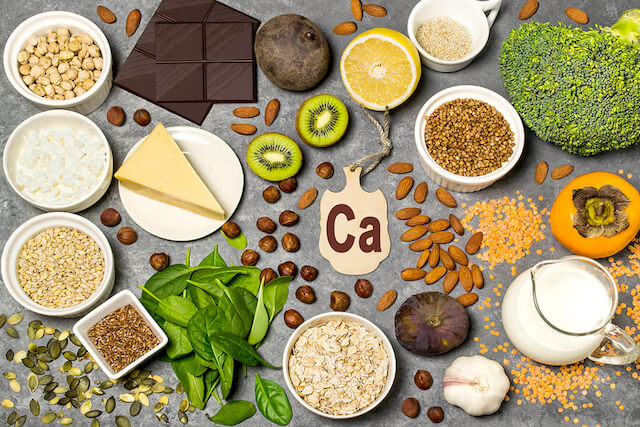
  • tofu
  • fish: sardines, salmon
  • seeds: sesame, chia, pumpkin
  • almonds
  • beans: pinto, kidney, great northern
  • figs
  • seaweed
  • dark, leafy greens, especially collard greens, spinach, broccoli, and dandelion greens

What to Look for in a Calcium Supplement

Not all calcium supplements are created equal, so it is important to research and make sure you are getting the most out of your product. Calcium alone is not great, because the body is not able to utilize calcium without the help of other minerals and vitamins. if calcium is taken by itself, it can cause constipation, and excessive calcium in the blood can calcify the arteries, increase blood pressure, and increase the risk for heart disease. What should you look out for in you calcium supplement.

Magnesium

Magnesium works alongside calcium to promote bone and heart health. Primarily, magnesium stimulates the hormone calcitonin, which draws calcium out of the the blood and tissues and drives it into the bones, where it is needed. Magnesium is a cofactor for alkaline phosphatase, an enzyme that aids in the formation of calcium crystals in the bones. 
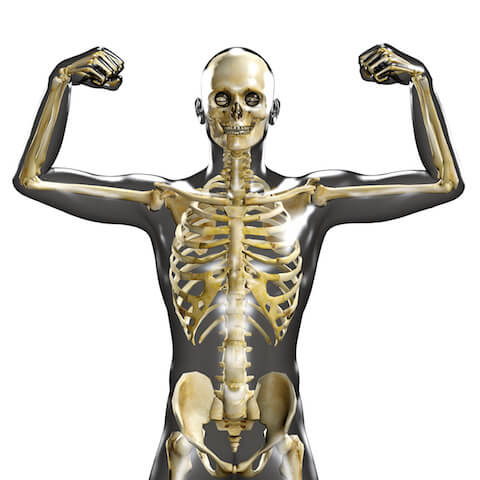
Unopposed calcium can be very dangerous to the heart. In the cardiovascular system, calcium and magnesium play opposing roles whereby calcium constricts and magnesium relaxes blood vessels and musculature. In fact, magnesium is such an effective relaxant in the cardiovascular system that it is often the drug of choice to treat high blood pressure. 

Additionally, magnesium and calcium have opposing side effects. Magnesium carries the risk of diarrhea, and calcium carries the risk of constipation. Combined, they balance one another and avoid the adverse gastrointestinal side effects. 

Vitamin D3

Vitamin D3 is essential for proper calcium absorption. The liver and kidneys convert vitamin D3 into calcitriol, which works to increase the absorption of calcium in the gut. Without vitamin D3, little calcium gets absorbed by the body. Studies show that taking calcium alone does not prevent bone loss (osteoporosis). However, the addition of vitamin D3 does decrease bone loss and the risk of fractures.

Vitamin K2

Like magnesium, Vitamin K2 helps to regulate calcium deposition in the bones. In other words, it promotes the calcification of bones and prevents calcification of blood vessels and kidneys. In fact, the use of vitamin D3 and vitamin K2 together as an approach to osteoporosis treatment may significantly reduce morbidity and mortality.

A Word of Caution

If you choose to use a calcium supplement, be sure to look out for the signs of excess of calcium. Symptoms include nausea, vomiting, constipation, increased thirst or urination, muscle weakness, bone pain, irregular heartbeat, or change of mental status. Excessive magnesium may cause slow heartbeat, diarrhea, low blood pressure, or slowed breathing. Report any changes to heart rate or the cardiovascular system to your physician. 

Looking for more healthy education? Check out Three Tips for a Healthy Liver.

You can also check out this video about my calcium supplement, Super Cal Plus.


For access to all of my health and wellness education videos, slides, and more, come on and !

Face Roller and Gua Sha Plate: a key to younger skin

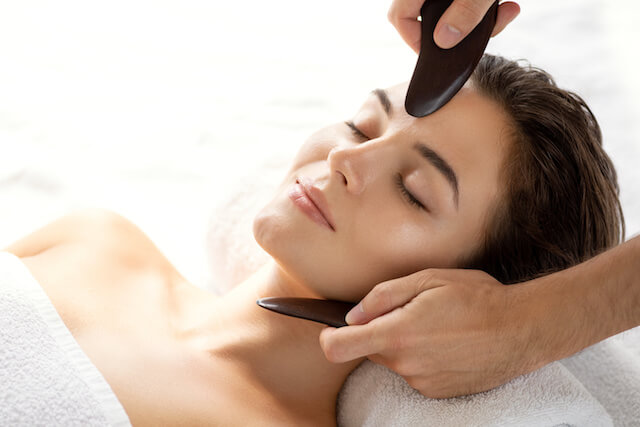
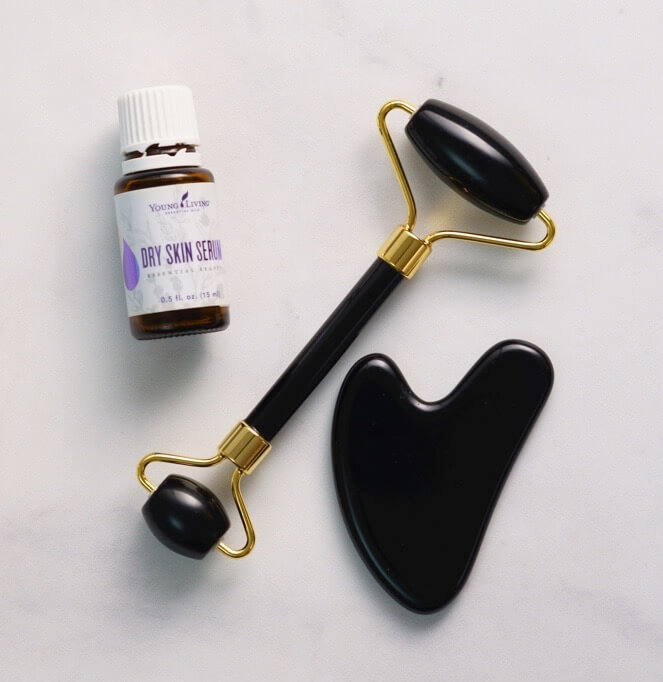
I recently shared on Instagram about my favorite obsidian face roller and gua sha plate (that I call my neck carver-outer). These two alternative skincare therapies have changed my daily routine and are keys to keeping my skin youthful and vibrant. They help me combat wind, pollution, dehydration, and other elements that are so hard on the delicate skin of the face.

What is Gua Sha?

Gua sha is an ancient Traditional Chinese Medicine (TCM) treatment. The process involves using a smooth-edged massage tool to scrape and rub parts of the skin repeatedly in one direction.

Gua sha aims to address stagnant energy, called chi, in the body. Releasing negative energy may help reduce inflammation. The primary aim is to break up the chi and activate blood circulation. Additionally, the technique breaks up fascia and improves skin tone.

In TCM, practitioners use gua sha treatments to treat certain degenerative diseases. Patients report relief of migraines, neck, shoulder, and back pain, menstrual disorders, insomnia, hypertension, vertigo, chronic infections, sciatica, and arthritis.

Several studies show the benefit of using gua sha to increase microcirculation, thereby relieving pain. Another study documents that gua sha increased immune active cells in the skin tissue.

Facial Gua Sha

Facial gua sha is designed to relieve tension in the muscles of the face, boost blood circulation, and encourage lymphatic drainage. The repetitive scraping motion breaks up fascia to improve circulation. This results in a reduction in bloating, headaches, and jaw pain, with the added benefits of tighter, smoother, and brighter skin. Long-term users even report its ability to unkink folds in the skin and sculpt areas such as the neck.

How it is Performed

Gua sha is best performed on clean skin. First, apply a good quality massage oil to the area you will be working. Angle the gua sha tool so that it is close to parallel with your skin, and then gently sweep up and outward on your face. At the end of each stroke, you can gently wiggle the tool to help release tension. Repeat each stroke three times. You can gradually work up to longer strokes with firmer pressure. If you begin to see red bumps or a rash on the surface of the skin, this is a sign that you are doing it correctly. The rash, known as sha, indicates a release of toxins from the skin. Not everyone will experience a rash or redness though.

The key is to start light and gradually increase according to your tolerance. If you are too heavy-handed, bruising and burst capillaries can result.

Face Rolling

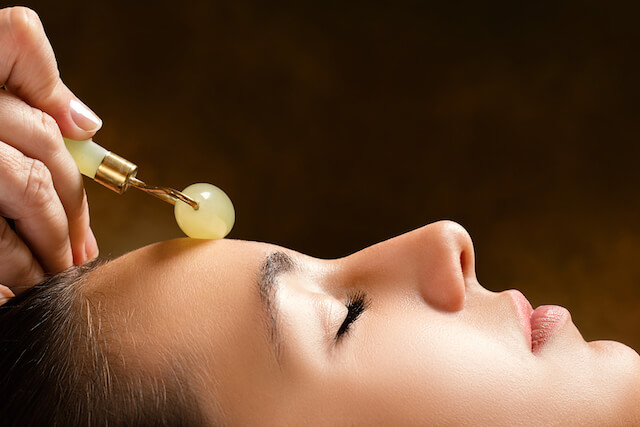
Like gua sha, face rolling is an ancient Chinese practice. The process involves using a facial roller made from various stones to roll around the skin of the face.

Benefits of the Face Roller

Users say face rolling helps reduce inflammation and puffiness, smooths fine lines, increases blood circulation, and eases pain. There is little scientific evidence to substantiate most of these claims. However, there is some information to indicate that it is effective at moving lymphatic fluid, thus reducing inflammation and puffiness.

According to users, one of the key benefits is that it feels amazing. Think of it as a daily face massage. It helps moisturizers and serums penetrate deeply into the skin, while reducing puffiness and redness. Most rollers are made of jade, quartz, or another stone. They serve as a pretty reminder to spend just a few minutes pampering yourself.

How it is Performed

The process is simple. Clean and moisturize your face. I love using a beauty serum with my roller, and I use a more intensive moisturizer or serum in the winter when my skin is more dry. You can just roll the device around your face, focusing on problem areas. If you prefer a routine, the following works well:

  1. Jawline: Using light pressure, start at the chin, and roll horizontally out to your hairline.
  2. Nose: Next, roll from the sides of the nose out towards the ears.
  3. Eyes: Using the smaller end of the jade roller roll from the inner corner of each eye out toward the temple.
  4. Eyebrows: Roll across the eyebrows, from bridge of nose to temples.
  5. Forehead: Start at the top of the eyebrows and roll up to the hairline, moving across the forehead. Finish by rolling from the middle of the forehead out towards the temples.

Tried it or want to try it?

Have you tried gua sha or face rolling? Comment and share your insights.

If you are ready to give it a go, click here to order a jade gua sha massager and rose quartz face roller.

Looking for more natural ways to enhance your beauty routine? Check out this post about the Face Blaster.


For access to the entire essential oil encyclopedia, come on and

Calm and Collected Essential Oil Roll On

Gone are the days of focusing on one thing at a time. We are in an age of constant busy-ness and multitasking.  From our phones, to social media, to television, life seems to be one big distraction after the other. While our productivity may increase, often our peace decreases. Between a job, kids, spouse, friends, and other activities, you may feel like you are constantly running in all directions. If that sounds like you, try this Calm and Collected Essential Oil Roll On recipe that just may help you feel a little less stress and a bit more balance.

Floral ylang ylang and bergamot oils blend seemlessly with Gathering essential oil blend (contains lavender, Northern Lights Black spruce, Geranium, frankincense, Royal Hawaiian sandalwood, ylang ylang, vetiver, cinnamon, and rose essential oils). The mixture is diluted in fractioned coconut oil so that it is easy to roll on to any member of the family who needs a bit of calming.

Ingredients

8 drops ylang ylang essential oil

5 drops bergamot essential oil

5 drops Gathering essential oil

Fractionated coconut oil, or the carrier oil of your choice

Instructions

In a 10 mL roller bottle, combine essential oils and swirl gently. Top off with fractionated coconut oil. Roll on wrists, neck, and behind the ears to help you unwind.

Love a good essential oil roll on? Check out these posts for Focus Roll-On and Liquid Courage Roll-On.


For even more great recipes, ideas, and essential oil education, come on and !

8 Ways to Use Ylang Ylang Essential Oil

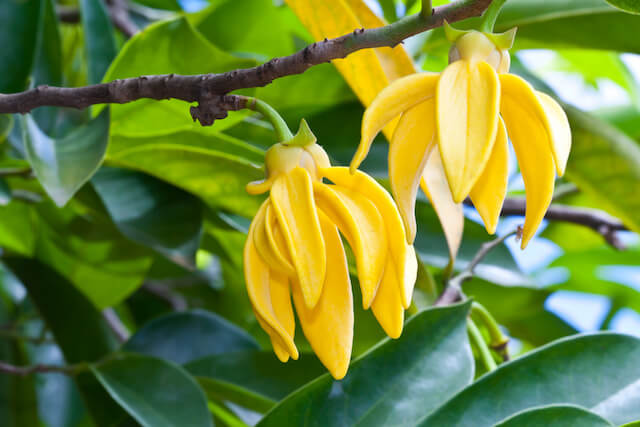
Ylang ylang is a tropical tree native to Indonesia, Malaysia, and the Philippines. The essential oil is distilled from the low-hanging flowers of the tree. The essential oil has a sweet, flowery scent that is especially favored by women. Aside from a lovely aroma, ylang ylang offers many great uses for physical and emotional support. Check out these 8 uses for ylang ylang.

Boost Your Libido

Ylang ylang has long been valued in Asia for it’s libido-boosting and aphrodisiac effects. Because this oil is balancing for both male and female energies, it’s a great one to include in your list of bedroom oils. Rub a few drops on your inner thighs before hopping in the bed, diffuse, or spritz a bit of ylang ylang between the sheets.

Thickening Hair Treatment

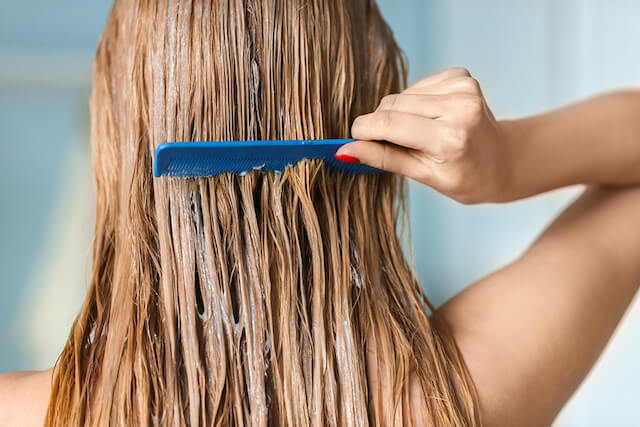
Many women love the aroma of ylang ylang and choose it for their beauty care products. What’s better than a lovely smelling hair mask that might even help to thicken you hair? Try this simple hair treatment to thicken up those luscious locks! Combine 1-2 tablespoons fractionated coconut oil and 10 drops of ylang ylang. Massage into damp (not wet) hair and scalp. Wrap your hair in a towel and allow it to penetrate for 30-60 minutes. Remove and wash as usual. Use this conditioning treatment weekly or as often as desired.

Improve Self Esteem

This interesting study shows that ylang ylang essential oil improved perception of self esteem both when applied topically and inhaled. The next time you feel inadequate or need a boost in confidence, a dab or whiff of ylang ylang might just do the trick!

Balance the Root Chakra

Ylang ylang essential oil may help to calm excessive root chakra issues, such as agitation and fear. Because it has a calming effect on the nervous system, it can improve our sense of security. For more information on essential oils for chakras, check out this blog post.

Chill Out

The oil distilled from the flowers has been shown to have a relaxing effect when inhaled. Try this Calm and Collected Roll On recipe for a great way to combat anxious feelings. Many women report that the calming and uplifting aroma is even good for easing stress during labor and childbirth.

Ease Separation Anxiety in Dogs

This oil is not just for people! Your dogs will love the calming, soothing aroma too. If you love pampering your pet with essential oils, be sure to check out this post for a calming dog blend.

Pamper Your Skin

Ylang ylang has many anti-aging properties for the skin. Make your own anti-wrinkle treatment with a couple drops of ylang ylang mixed with a teaspoon of jojoba oil. Massage into your face before bedtime. Be careful with the delicate skin around the eyes, and test a small area before slathering on.

Sweetheart Perfume

This perfume blend not only smells great, it has balancing and calming properties as well!

10 drops ylang ylang essential oil

8 drops bergamot essential oil

4 drops lime essential oil

5 drops vanilla extract

Vodka

Combine all essential oils in a 10 mL roller bottle. Add vanilla, and top off with vodka. You may also use distilled water, but I find that vodka works much better.

Check out more perfume recipes!